Cultural Value Underground Idle Space Modern Sewer Box 90m Section Total Area 366㎡ Target Design Service Completed Last Month, Construction Starting Next Month with 3.5 Billion KRW Investment... Elevator, Observation Pavilion Installation, Repairs to Improve Accessibility and Enhance Tourism Functions
[Asia Economy Reporter Jongil Park] Dongjak-gu (Mayor Changwoo Lee) has completed the detailed design for the utilization project of the Noryangjin Modern Sewer Box cultural space and will begin full-scale implementation next month.
The Noryangjin Modern Sewer Box (hereafter Modern Sewer Box) is a rectangular structure that discharges urban rainwater and sewage. Some sections are estimated to have been installed around 1899 during the opening of the Gyeongin Line railway, making them over 120 years old.
The structure measures 2.5 meters in width, 3.3 meters in height, with a total area of 366 square meters. It features a horseshoe shape (Maje type), an egg shape from the 1950s, and an RC (reinforced concrete) type from the 1960s onward, allowing a clear view of the characteristics of civil drainage systems from different eras.
Maje type: Constructed before the modern era by building a horseshoe-shaped ceiling using bricks on granite walls, it predates the Seoul Plaza Sewer Box, which is designated as Monument No. 38 by the city.
This project was prepared to utilize the underground idle space left beneath the railway, improve accessibility to the Noryangjin Fish Market, which is blocked by the railway, and develop the modern civil engineering facility as a new tourist resource.
First, the district assessed the preservation value of the Modern Sewer Box discovered during the 2008 flood relief project and the potential to revitalize the local commercial area. Since 2017, it has conducted basic planning and detailed safety inspections, completing the detailed design last month.
Alongside this, the district analyzed cases of creative urban regeneration overseas to explore ways to utilize the sewer box suitable for local conditions.
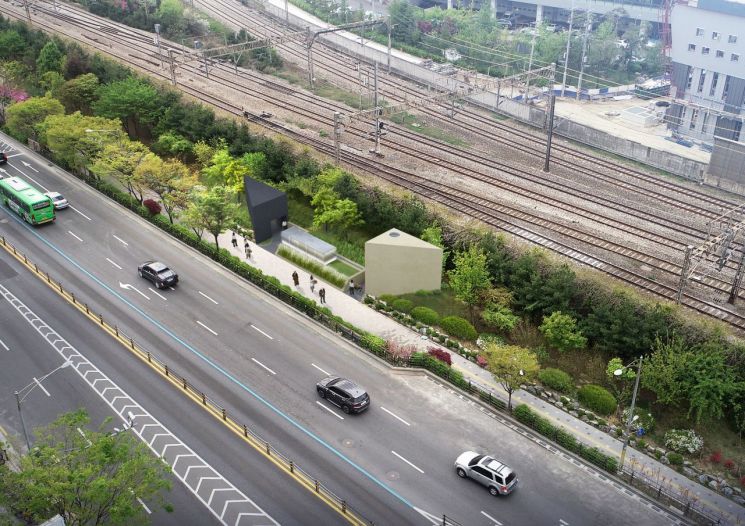
From next month until December 2021, the district will invest approximately 3.5 billion KRW to carry out the Modern Sewer Box utilization project over a roughly 90-meter section from the buffer green space at 100 Noryangjin-ro to the public open space at 21 Nodeul-ro 2-gil, including ▲improving accessibility and creating passageways ▲enhancing tourism functions ▲improving the aesthetics and safety of the underground environment.
In the buffer green space section, to increase accessibility for vulnerable pedestrians such as the disabled and elderly and to accommodate families, two elevators will be installed at the entrances and exits, and new entrances with straight stairs will be constructed.
Opposite the elevators, a viewing pavilion will be installed to exhibit photos and paintings depicting the history of Dongjak-gu and Noryangjin, creating a space to experience modern cultural heritage.
Additionally, to improve the aesthetics and safety of the underground environment and utilize its cultural value, the existing modern drainage structure will be preserved as much as possible while undergoing repair and reinforcement.
The district plans to strengthen the exhibition function as a modern civil engineering facility by linking it with the Dongjak Chungyo Trail Course 4 (Noryangjin Station ~ Noryangjin Neighborhood Park ~ Sindaebang Samgeori Station) to create a historical exploration route and will request designation as a cultural heritage site.
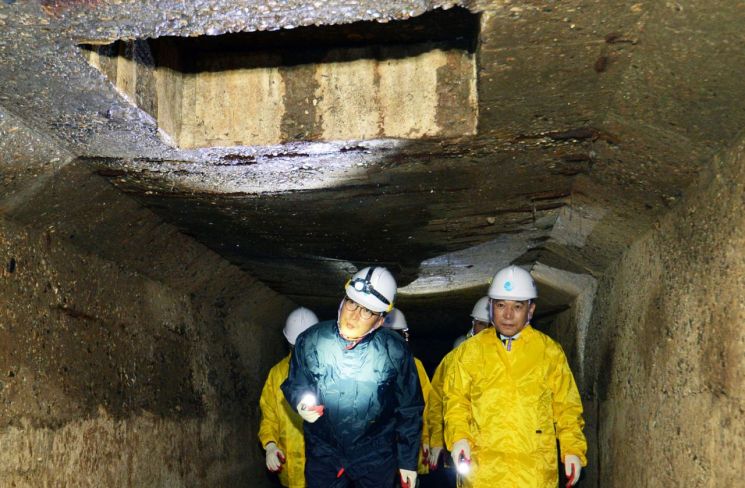 Lee Chang-woo, Mayor of Dongjak District (left), is inspecting the Noryangjin modern sewer box section.
Kim Sanghoon, head of the Water Management Division, said, “By utilizing the closed modern civil engineering facility as a cultural resource and creating passageways linked with surrounding facilities, we expect effects such as revitalizing the local economy, improving pedestrian accessibility, and enhancing urban aesthetics.”
© The Asia Business Daily(www.asiae.co.kr). All rights reserved.


















