[Asia Economy Reporter Buaeri] There is a claim that introducing a meat tax and livestock tax is necessary to prevent pandemics such as the novel coronavirus infection (COVID-19).
According to major foreign media, 22 scientists worldwide stated on the 29th (local time) that in the future, diseases that spread faster than COVID-19 will occur more frequently.
Peter Daszak, a zoologist leading the research, said, "Excessive consumption of meat is not only bad for the body and the environment but also promotes infectious disease pandemics."
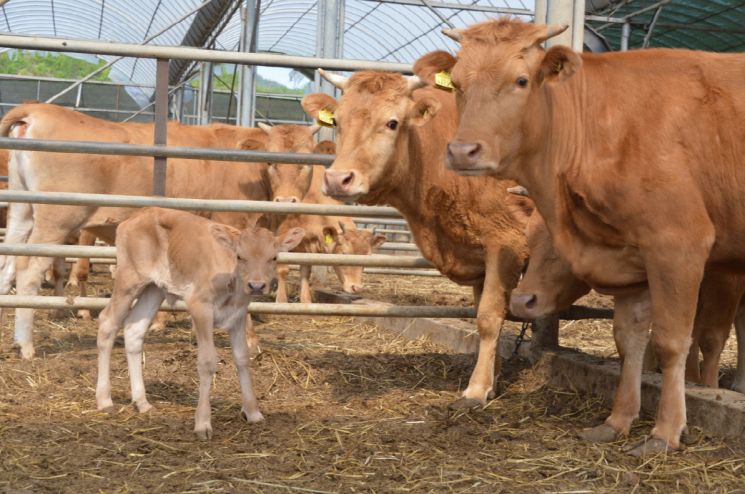
Daszak criticized, "Due to global consumption patterns that prefer meat, pigs and poultry are being raised in excessively crowded spaces," adding, "(Because of crowded farming) new infectious diseases and influenza viruses are emerging."
He added that although imposing taxes on livestock farming and meat consumption could be controversial, it is a cost that can be sufficiently borne to prevent a second COVID-19 crisis.
Daszak emphasized, "Livestock farming is profitable," but "previous studies have pointed out that taxing meat consumption and production is one way to protect the planet."
Additionally, scientists argued that to prevent viruses from transferring from wild animals to humans, habitat destruction must stop.
According to the Intergovernmental Science-Policy Platform on Biodiversity and Ecosystem Services (IPBES), an international organization under the United Nations, increased meat consumption especially threatens biodiversity in emerging economies and developing countries and accelerates climate change.
Daszak stated, "Climate change alters the habitats of wild animals," adding, "There is clear evidence that this increases the risk of spreading infectious diseases transmitted by ticks and others."
Teis Kauwiken, a scientist from the Netherlands, also said, "Changing dietary habits to consume only moderate amounts of meat is important to reduce pandemic risks and conserve nature."
© The Asia Business Daily(www.asiae.co.kr). All rights reserved.

















