[Asia Economy Reporter Suyeon Woo] The Kia Motors labor union, facing difficulties in this year's wage and collective bargaining negotiations, is applying for dispute mediation with the Central Labor Relations Commission to secure the right to strike. Earlier, the labor unions of Korea GM and Renault Samsung Motors, which have already secured the right to strike, are also weighing the timing of their strikes, spreading strike risks throughout the automobile industry.
According to the automobile industry on the 24th, the Kia Motors union plans to hold a temporary delegates' meeting on the 26th to discuss dispute countermeasures and apply for dispute mediation with the Central Labor Relations Commission. Applying for dispute mediation is the first step to obtaining a legal right to strike. Afterwards, the union is also preparing a press conference in front of the headquarters in Yangjae-dong regarding Kia Motors' third-quarter performance, which reflects large-scale quality costs.
After applying for dispute mediation, about ten days of dispute mediation procedures will follow, and if the Central Labor Relations Commission ultimately decides to 'suspend mediation,' the union will obtain a legal right to strike. This is interpreted as reflecting the union's calculation that securing the right to strike first and then continuing the main negotiations will allow them to gain a favorable position.
Previously, the Kia Motors labor and management sides reportedly only confirmed their differences in position without making any significant progress during the 9th main negotiation held on the 22nd. The union declared the breakdown of negotiations as the management did not present a comprehensive proposal.
Moreover, with the expected deterioration of Kia Motors' third-quarter performance due to quality cost provisions exceeding 1 trillion won, the labor-management relationship is rapidly freezing. The Kia Motors union stated, "No one in management is showing any willingness to take responsibility for quality issues, instead shifting the blame onto union members," adding, "The anger and frustration on the ground have reached their peak."
Earlier, Hyundai Motors labor and management reached a no-strike wage and collective bargaining agreement by forming a consensus on the industry's difficulties caused by the COVID-19 pandemic. However, Kia Motors is facing a stumbling block in quality costs, intensifying labor-management conflicts over responsibility disputes.
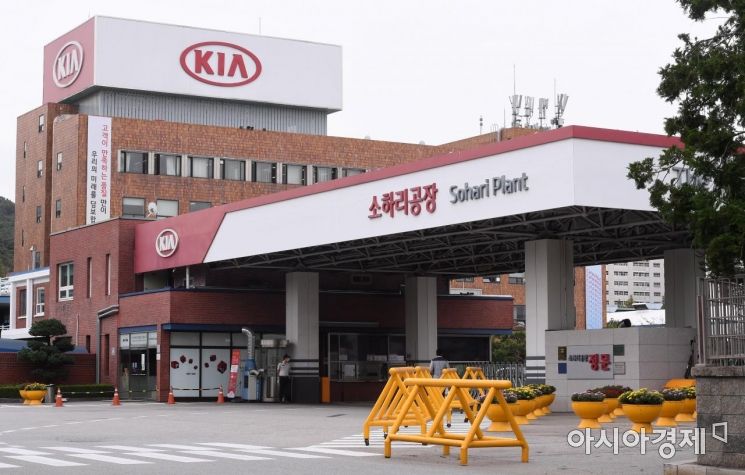
The Korea GM and Renault Samsung unions, which secured the right to dispute early on, are also weighing the timing of strikes, signaling a prolonged wage and collective bargaining negotiation this year. The Korea GM union began refusing overtime and special work from the 23rd. The union demanded a revised proposal from management that includes plans to secure new car volumes at the Bupyeong 2 plant, but management reiterated its existing position through the revised proposal to extend the production schedule of the Trax and Malibu currently produced at the Bupyeong 2 plant.
Management emphasizes the difficult business situation, stating that losses due to COVID-19 amount to 60,000 units and 250 billion won in the first half of this year alone, but the union maintains a tough stance, keeping the possibility of a full strike open.
Renault Samsung has not been able to set the next negotiation schedule even after restarting the Busan plant on the 19th. With the union executive election scheduled for early next month, continuing negotiations is also difficult. The Renault Samsung union applied for labor dispute mediation early on, and after the Central Labor Relations Commission decided to suspend mediation on the 16th, it secured a legal right to strike. Renault Samsung labor and management plan to continue the next negotiations after the union executive election.
© The Asia Business Daily(www.asiae.co.kr). All rights reserved.

















