Current Status in Korea as of Noon on the 23rd by Central Disease Control Headquarters
Additional Transmission of Sporadic Cluster Infections among Family and Workplace Colleagues
[Asia Economy Reporter Choi Dae-yeol] Additional confirmed cases have emerged consecutively due to a cluster outbreak of the novel coronavirus infection (COVID-19) centered around nursing homes and facilities in the Seoul metropolitan area. Following large and small cluster outbreaks in hospitals and other medical institutions, transmissions linked to workplaces and private gatherings have also occurred. As the number of infection clusters increased and dozens of patients emerged from each group, the proportion of patients with unknown infection routes has decreased.
According to the domestic status data compiled by the Central Disease Control Headquarters as of 12 noon on the 23rd, in Seoul, 7 additional patients were confirmed related to the Gangnam and Seocho acquaintances gathering, bringing the cumulative number of patients to 25. Four additional confirmed cases were among family and acquaintances, and three were from a billiards hall. At Haengbokhae Nursing Home in Namyangju, Gyeonggi Province, 34 additional cases were confirmed after the first patient was identified the previous day. Including the initially identified patient, there are 23 residents and 12 staff members such as the director and caregivers.
At Namcheon Hospital in Gunpo and the Anyang Elderly World Daycare Center clusters, 8 additional confirmed cases were reported, increasing the cumulative number to 34. In the textile company-related cluster in Yangju City, 11 additional infections occurred among family members and coworkers, raising the cumulative total to 18.
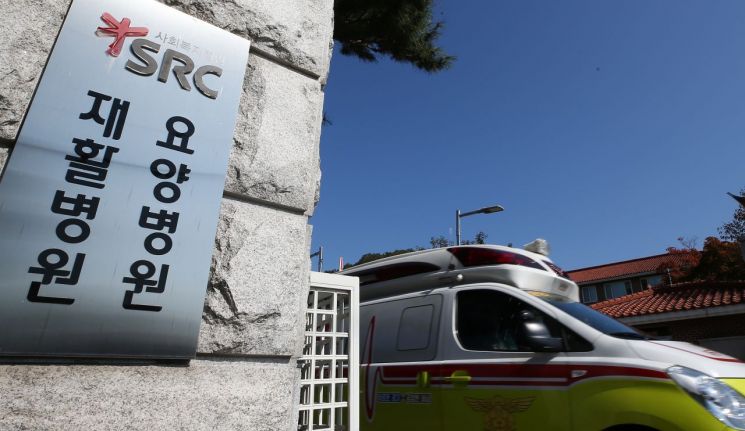
The SRC Rehabilitation Hospital cluster in Gwangju, Gyeonggi Province, saw 5 patients, 8 caregivers and guardians, 3 medical personnel, and 2 others infected through transmission outside the hospital among family and acquaintances, increasing the cumulative number of patients to 124. This is the largest number of confirmed cases among medical institution-related cluster infections about nine months after the first domestic COVID-19 patient was reported. Regarding the Master Plus Hospital cluster in Uijeongbu, 1 additional case was confirmed, bringing the cumulative total to 71.
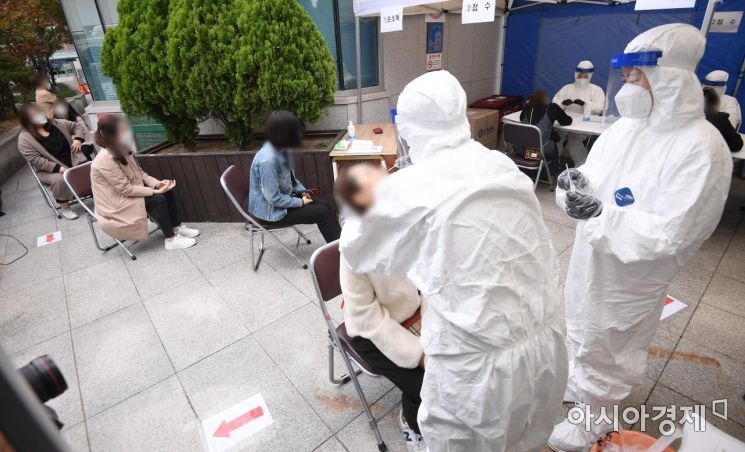 On the 21st, academy instructors in the district are undergoing diagnostic tests at a temporary screening clinic for the novel coronavirus infection (COVID-19) installed in front of the Daechi 2-dong Community Service Center in Gangnam-gu, Seoul. Gangnam-gu, Seoul, is conducting comprehensive COVID-19 testing on about 20,000 academy instructors in the district at a rate of 1,000 people per day. This measure was taken as anxiety in the academy community increased after one instructor at a large entrance exam academy in Daechi-dong tested positive the day before, ahead of the College Scholastic Ability Test. Photo by Kim Hyun-min kimhyun81@
Additionally, at Incheon Airport Cargo Terminal, after the first patient was identified on the 14th, 10 more were confirmed, bringing the cumulative number to 11. The initially identified patient in this cluster also has an unknown infection route. Related to an acquaintances gathering in Cheonan, Chungnam Province, 12 additional confirmed cases were reported, increasing the cumulative total to 22. It is presumed that the virus spread to sauna users and then further transmission occurred within families. The cluster outbreak at Heungkuk Fire & Marine Insurance in Jung-gu, Daegu, saw 6 additional confirmed cases, bringing the cumulative number to 7.
Meanwhile, among new patients in the past two weeks, the proportion of 'under investigation' cases with unknown infection routes was 11.4% (420 out of 1,223 new confirmed cases over two weeks), less than half compared to the peak period. After a positive diagnosis, epidemiological investigations are conducted to trace infection routes. Difficulty in identifying when and where infection occurred indicates the challenge in preventing virus spread, making this an important indicator closely monitored by health authorities.
This proportion increased to about 25% in mid-last month but has been decreasing recently. However, this is partly a visual effect caused by a larger denominator when many confirmed cases occur within a single cluster. In large-scale cluster outbreaks, only the first index patient with an unknown infection route is classified as 'under investigation,' while the rest are categorized as 'cluster outbreak' or according to other classification criteria.
© The Asia Business Daily(www.asiae.co.kr). All rights reserved.


















