Lime·Optimus Scandal Related
Criticism of Late Response in FSC Audit
Financial Firms Dissatisfied with Excessive Blame
No Signs of Reflection in Staff Promotions
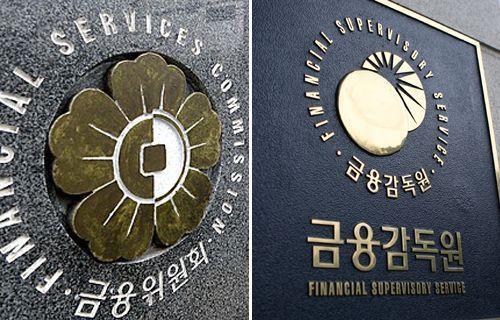
[Asia Economy Reporter Park Jihwan] Responsibility debates toward financial authorities are intensifying due to the Lime and Optimus scandals. Despite the massive fund redemption crisis involving about 2 trillion won causing widespread investor damage, the financial authorities responsible for oversight are being criticized for shirking accountability.
According to the financial investment industry on the 20th, the recent National Assembly’s National Audit of the Financial Services Commission and the Financial Supervisory Service by the Political Affairs Committee highlighted the private equity fund scandals as the main issue. The primary focus was on the financial authorities’ failure to supervise private equity funds and allegations of political figures’ involvement. Particularly, opposition party lawmakers criticized that multiple complaints had been filed with financial authorities even before the Optimus scandal broke out, and that signs of Optimus’s insolvency were detected during investigations of 52 private equity fund operators after the Lime scandal. Despite recognizing these early warning signs, the authorities’ delayed response failed to prevent the current crisis.
The need to reform the current supervisory system was also raised. Lee Dongsoo, a member of the Democratic Party of Korea, pointed out, "The biggest problem with the domestic financial supervisory system is the separation of supervision and enforcement, which reduces responsiveness." He added, "If you check the status of private equity funds and the financial authorities’ responses by time, you can see the discord between the Financial Services Commission and the Financial Supervisory Service."
From the industry, there are complaints that the financial authorities are excessively shifting responsibility for this crisis onto financial companies. While the authorities vow to strictly punish illegal activities by fund managers and securities firms selling the funds, they remain tight-lipped about their own accountability. The Financial Supervisory Service held its first disciplinary hearing on Lime Asset Management on this day, marking the start of formal sanctions against financial companies. The FSS has already sent preliminary notices to Lime Asset Management recommending 'license cancellation' and 'dismissal of key executives.' On the 29th, a second disciplinary hearing will be held targeting securities firms that sold the funds. The FSS has notified that it plans to impose severe sanctions, including 'suspension of duties' on CEOs of Shinhan Financial Investment, KB Securities, and Daishin Securities, but the sellers strongly oppose the FSS’s disciplinary measures, foreshadowing intense disputes.
Moreover, the FSS’s move to mediate disputes over estimated losses related to Lime fund sellers is also fueling dissatisfaction. It has also come to light that FSS employees were involved in the Optimus case. The FSS was directly entangled in the Optimus scandal when former director Yoon was investigated by prosecutors for receiving 20 million won from Kim Jaehyun, CEO of Optimus, in exchange for introducing financial sector contacts including Hana Bank, the fund’s custodian.
A financial investment industry official said, "The primary responsibility for this private equity fund scandal clearly lies with the sellers and fund managers. However, since the recent private equity fund crisis originated from a system focused solely on market activation without anticipating side effects, the financial authorities also need to take responsible attitudes."
Some voices criticize that the financial authorities show no accountability for the private equity fund management failure, noting that the official responsible for related practical work during the deregulation of private equity funds was recently promoted to a senior government position. Considering the growing calls for accountability related to the private equity fund scandal, the timing of this personnel appointment is seen as inappropriate. A financial sector insider said, "The root cause of this crisis started with deregulation of private equity funds, and while the aftermath of the redemption suspension is still ongoing, promoting an official heavily involved in deregulation to a senior post seems untimely."
The turning point for the financial authorities’ accountability is expected to be the comprehensive audit by the National Assembly’s Political Affairs Committee on the 23rd. The committee has summoned Lee, a former Blue House administrator who emerged as a key figure in the Optimus scandal, as a witness. However, Lee is reportedly planning to submit a letter of non-attendance. The letter must be submitted by the day, three days before the witness appearance date.
© The Asia Business Daily(www.asiae.co.kr). All rights reserved.

















