COVID-19 Fatigue Worldwide
Helplessness and Impatience Follow the Fear
Europe Faces Crisis Surpassing First Major Wave... "On the Brink of Collapse"
Even Model Countries Face Crisis Due to Delayed Response
[Asia Economy Reporter Naju-seok] As winter approaches in northern countries including Europe, warning lights have turned on.
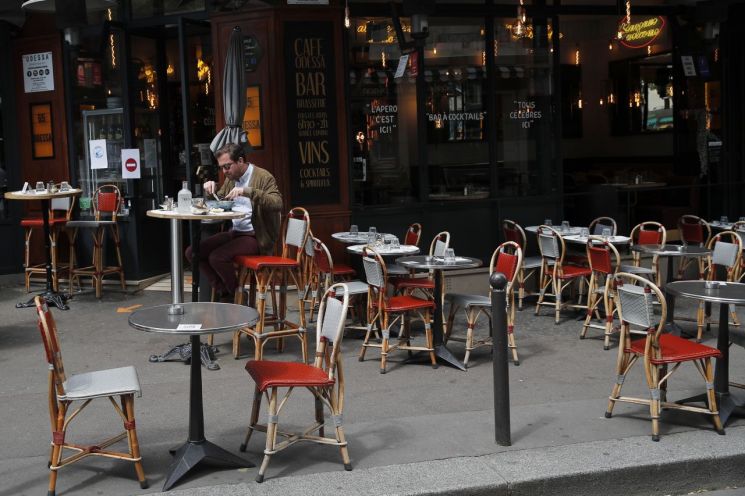
Countries such as those in Europe are announcing emergency measures one after another to restrict daily life again in order to prevent the spread of the novel coronavirus infection (COVID-19). During spring and summer, citizens around the world voluntarily practiced social distancing, but now the situation has changed. Governments are reluctant to choose lockdown policies, and citizens are showing frustration or impatience rather than fear.
On the 17th (local time), France, with a population of 65 million, recorded 32,427 new confirmed cases. Germany, the Czech Republic, Poland, the Netherlands, and others are also breaking daily new COVID-19 case records one after another. The Czech Republic, which was praised for successfully controlling the first wave, describes the situation as "on the verge of collapse." Hospitals are full, and there are forecasts that deaths could surge. The situation in the United States is also serious. As cases increase in the Midwest, new daily cases exceeded 70,000 again on the 16th.
The situation is worsening compared to this spring, but citizens’ responses are the opposite. The New York Times (NYT) reports that citizens who endured the COVID-19 spread with hope or solidarity this spring are now exhausted and falling into despair.
Experts are concerned that citizens are becoming increasingly numb or impatient with the rapid spread. The 'fatigue' caused by the COVID-19 pandemic has deepened. Hans Kluge, WHO Regional Director for Europe, said, "Citizens have made great sacrifices," adding that the cost has demanded a tremendous price, which is wearing everyone out regardless of where they live or what they do.
The NYT pointed out that if the large outbreak this spring could be characterized by 'fear,' this autumn’s large outbreak is a strange mixture of resignation and recklessness. Citizens who previously avoided going out to eat are now visiting restaurants driven by a single-minded desire to enjoy delicious food.
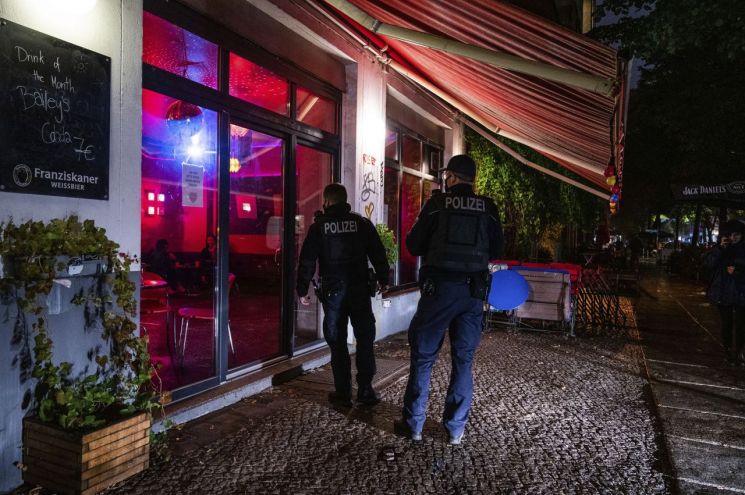
American psychologist Belli Wright, who has studied stress among Americans, said, "In spring, people were fearful but thought we were all in this together, but now the situation has changed," adding, "Fear has turned into fatigue." Sighs such as "I'm tired of everything," "When will this end?" and "Will it ever end?" are being heard.
In the United States, alcohol sales increased by 23% during the COVID-19 period. The increase in alcohol sales despite difficulties in visiting bars shows how great the anxiety felt by Americans is.
In some parts of Europe, there are also claims that control has been lost. Jonas Schmidt Chanasit, a virologist at the Bernhard Nocht Institute for Tropical Medicine in Germany, said, "The government is now unable to influence the spread of COVID-19." In fact, hospitals across Europe are gradually converting their systems to focus on COVID-19 patients.
Medical officials believe that behind the current spread phase lies responsibility on governments and citizens who did not properly implement quarantine measures during the lull in the spread. After the COVID-19 spread slowed this spring, European countries neglected large-scale overseas travel and watched social distancing weaken.
European countries succeeded in suppressing the spread with strong lockdown policies this spring, but despite a larger spread now, they have not resorted to lockdowns and rely only on curfews or restrictions on restaurant operations. This is due to concerns that the economy, which suffered the worst recession since the postwar period, could collapse again. A bigger problem is whether citizens would properly comply even if lockdowns were imposed. In Israel, which was the first in the world to decide on a nationwide second lockdown, protests against it continued.
It has also been confirmed that even countries with successful quarantine experiences cannot be complacent. The Czech Republic succeeded in suppressing the spread with strong lockdown policies during the early COVID-19 spread this year. However, in this current spread phase, the introduction of preventive measures was delayed, resulting in a rapid increase in confirmed cases.
© The Asia Business Daily(www.asiae.co.kr). All rights reserved.


















