6-Year-Old Boy Infected with Brain-Eating Ameba... 97% Fatality Rate
Jackson City Bans Tap Water Use for 27,000 Residents
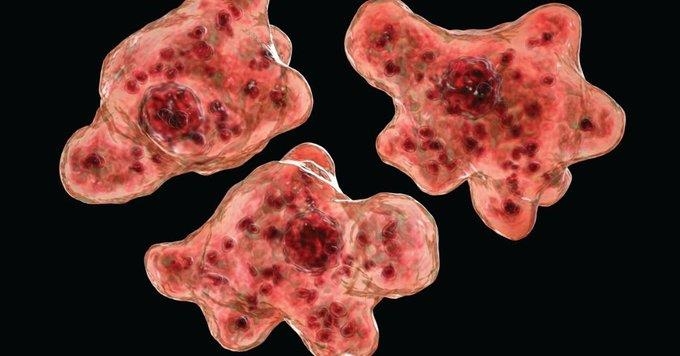
[Asia Economy Reporter Kim Bong-ju] A state of emergency has been declared after a "brain-eating amoeba" was detected in the tap water of Texas, USA. Although infection cases are rare, the fatality rate is high, requiring caution.
According to a report by US CNN on the 26th (local time), the Texas Commission on Environmental Quality issued an alert after Naegleria fowleri, known as the brain-eating amoeba, was found in the southeastern water supply. Lake Jackson, where the amoeba was discovered, declared a disaster and requested an emergency response from the state government.
The city identified the water contamination after a 6-year-old boy was hospitalized on the 8th due to infection with the brain-eating amoeba. It is presumed that the boy was infected through tap water from either the fountain in front of the city hall center or his home.
Bob Sipple, mayor of Lake Jackson, stated in a press release, "There is a serious threat to life, health, and property due to contaminated drinking water," and issued a ban on tap water use for 27,000 residents. He added, "CDC test results showed positive Naegleria fowleri in 3 out of 11 samples."
Mayor Bob Sipple said, "The water system will be completely disinfected, and the ban on use will remain until safety is confirmed through sample testing," reiterating the tap water ban for 27,000 citizens.
Naegleria fowleri is mainly found in contaminated freshwater such as lakes, rivers, hot springs, or unchlorinated swimming pools. It does not cause issues if ingested orally, but if it enters the body through the nose, it destroys brain tissue. Early infection symptoms resemble a cold, including headache, fever, and vomiting, but it progresses to paralysis, loss of balance, hallucinations due to brain damage, and ultimately death.
According to the Korea Disease Control and Prevention Agency, among 145 patients infected with Naegleria fowleri from 1962 to 2018, only 4 survived, resulting in a fatality rate of about 97%.
© The Asia Business Daily(www.asiae.co.kr). All rights reserved.

















