[Asia Economy Reporter Suyeon Woo] As global demand for internal combustion engine vehicles declines, hybrids, which are a transitional step before the ultimate eco-friendly vehicles, are gaining attention as interim eco-friendly cars. In particular, plug-in hybrids have become the mainstream in the imported car market recently.
According to the Korea Imported Automobile Association on the 26th, the number of newly registered imported plug-in hybrid electric vehicles (PHEVs) from January to August this year reached 3,900 units, a 41% increase compared to the same period last year. Until 2017, no imported plug-in PHEV vehicles were sold, but in 2018, sales exceeded 3,500 units, and last year, they approached 5,000 units. Given that 3,900 units were sold by August this year, it is expected that sales will comfortably surpass 5,000 units.
In particular, sales of PHEV vehicles are increasing mainly among German car brands such as Mercedes-Benz and BMW, and recently Volvo has also entered the imported eco-friendly sedan market by adding the new S90 PHEV lineup. Ford Korea launched the Ford Explorer PHEV model last month, and this month introduced the PHEV Grand Touring model of the Lincoln Aviator.
The best-selling imported plug-in hybrid vehicle from January to August this year was BMW's mid-large sedan 530e, with 1,181 units sold, followed by Mercedes-Benz's E 300 e sedan with 816 units.
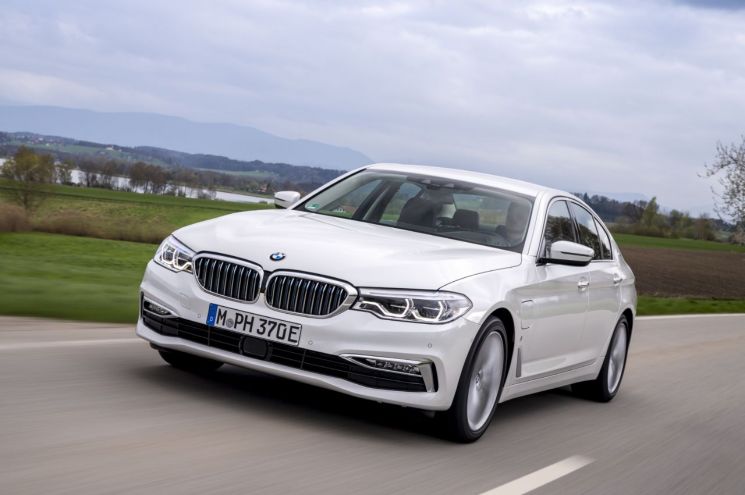
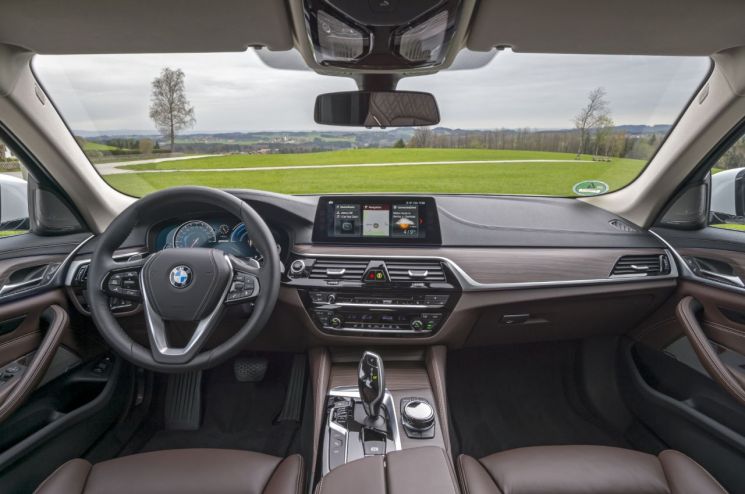
The best-selling BMW 530e is equipped with a high-voltage lithium-ion battery with a capacity of 12kWh and can travel up to 39 km in pure electric mode on a single charge. Charging the battery takes about 5 hours using a household socket, and it is fully charged within 3 hours with a BMW dedicated charger. The powertrain combines a 113-horsepower electric motor and a 184-horsepower gasoline engine, delivering a total system output of 252 horsepower. It accelerates from 0 to 100 km/h in 6.1 seconds, and the combined fuel efficiency of the engine and motor is 16.7 km/l.
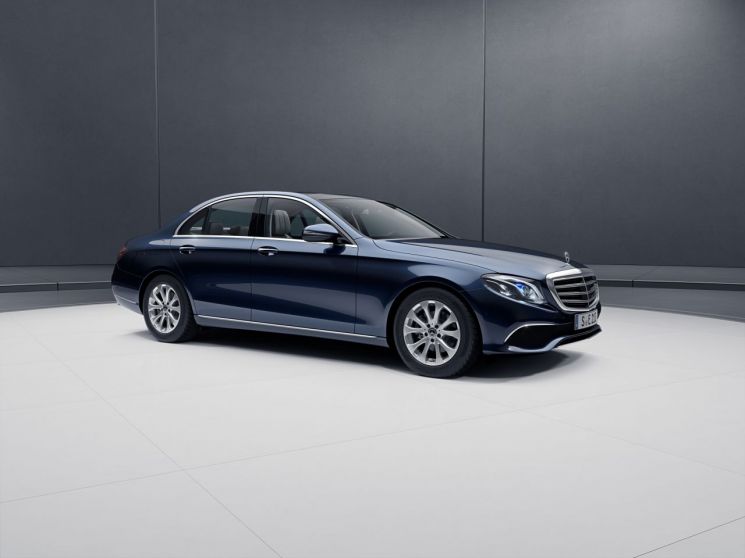
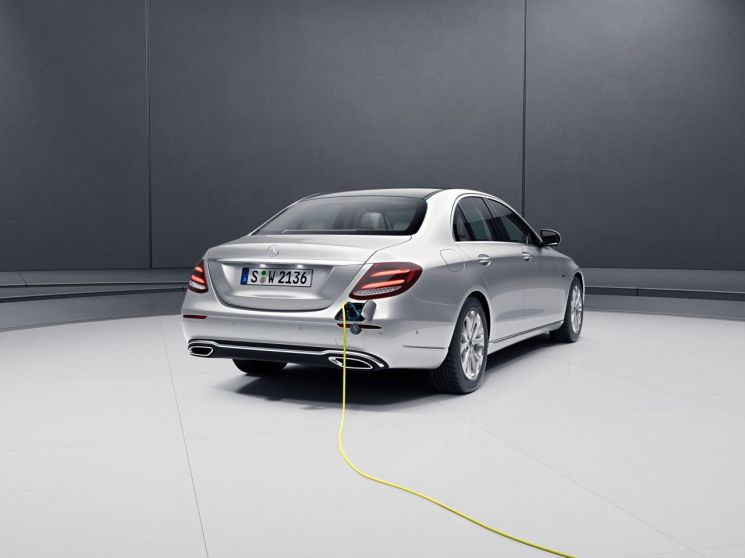
Mercedes-Benz's competing model, the 'E 300 e Exclusive' PHEV, is equipped with a 13.5kWh lithium-ion battery that allows a maximum driving range of 31 km on a single charge. Even when driving in electric mode only, it can reach speeds up to 130 km/h. Using a Mercedes-Benz dedicated charger, it takes about 1 hour and 45 minutes to fully charge. The powertrain combines a 122-horsepower electric motor and a 211-horsepower gasoline engine, producing a total system output of 320 horsepower. Fuel efficiency is 2.5 km/kWh based on the electric motor and 10.3 km/l based on the gasoline engine.
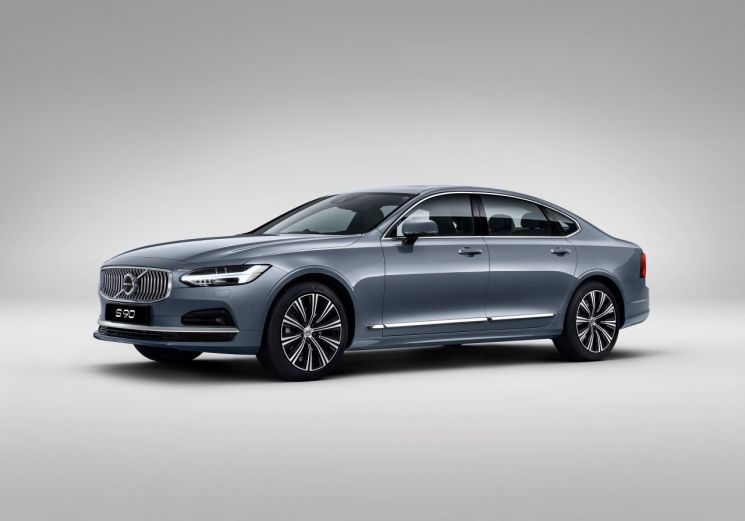
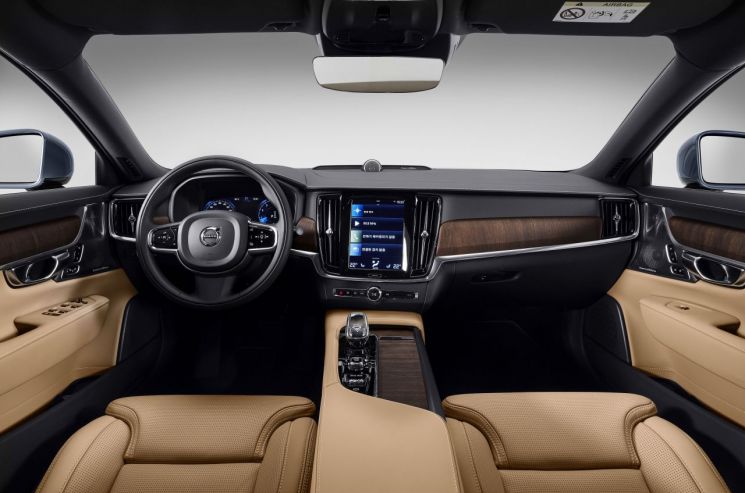
The recently launched new Volvo S90 PHEV model is equipped with the T8 Twin Engine, which combines a gasoline engine and an electric motor. This engine delivers a combined system output of 405 horsepower, with the electric motor providing 87 horsepower and the gasoline engine 318 horsepower. The maximum torque of the gasoline engine reaches 40.8 kg·m, and it accelerates from 0 to 100 km/h in just 4.9 seconds.
© The Asia Business Daily(www.asiae.co.kr). All rights reserved.
![An "Human Knockoff" Clutching a Stolen Dior Bag... A Bizarre Con That Shakes Your Sanity [Slate]](https://cwcontent.asiae.co.kr/asiaresize/183/2026021902243444107_1771435474.jpg)


















