Junk Bonds Issued at $329.8 Billion... Surpassing 2012 Record
Contributing to Corporate Liquidity Crisis Resolution
Not Leading to Investments Like Liquidity M&A
[Asia Economy Reporter Naju-seok] This year, the issuance volume of speculative-grade corporate bonds (junk bonds) in the United States has already reached an all-time annual record.
This is the result of the U.S. Federal Reserve (Fed) actively purchasing junk bonds following the COVID-19 pandemic. While it has helped prevent corporate bankruptcies, the number of "zombie" companies that cannot even pay interest from earnings is expected to increase further.
Bloomberg reported on the 23rd (local time) that from the beginning of this year until now, the issuance volume of junk bonds in the U.S. reached $329.8 billion (approximately 385.6 trillion KRW), surpassing the previous record of $329.6 billion set in 2012. Considering that more than three months remain in the year, the issuance volume of junk bonds is expected to significantly exceed the usual levels. This was already anticipated when junk bond issuance hit a monthly record high in June.
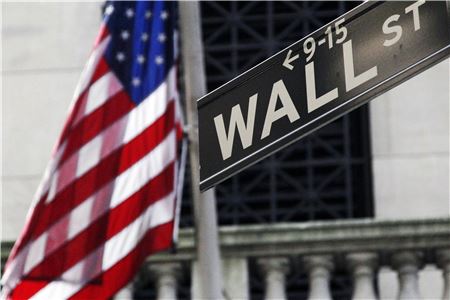 Wall Street sign, AP = Yonhap News
The increase in junk bond issuance is due to companies facing crises caused by the spread of COVID-19. As crises emerged, such as reduced corporate sales due to movement restrictions and economic lockdown measures, companies turned to corporate bond issuance as a means of raising funds. The Fed also supported companies by declaring unlimited purchases. Airlines, hotels, and cruise industries, in particular, fought desperately to secure funds.
Thanks to the Fed's aggressive support, companies issuing junk-rated bonds were able to extinguish urgent fires, lower corporate bond issuance rates, and extend the maturities of existing bonds.
Investors seeking relatively high returns also encouraged junk bond issuance. Investors, tired of prolonged zero interest rates, sought relatively high yields by investing in junk bonds. This raised bond prices but lowered interest rates. In March of this year, when the COVID-19 crisis was at its peak, the junk bond yield in the Bloomberg-Barclays bond index exceeded 11%, but it has now dropped to 5.81%, a level similar to that of last year before COVID-19.
According to Barclays Bank analysis, since July, junk bonds issued with yields below 6% accounted for 65% of total bond issuance. In August this year, aluminum can manufacturer Ball issued a 5-year bond at a historically low rate of 2.875%.
Some companies have undertaken refinancing considering the lowered junk bond yields. This differs from the early part of this year when companies issued corporate bonds to secure liquidity. Nicole Hammond, Senior Portfolio Manager at investment advisory firm Angel Oak Capital, said, "Companies are refinancing at low rates to extend maturities."
The issuance volume of junk bond corporate bonds is expected to continue increasing. Bloomberg anticipates that companies will rush to secure funds ahead of uncertainties such as the U.S. presidential election in November and a second wave of COVID-19. The activation of junk bonds is expected to ease the chain of corporate bankruptcies. However, the number of companies unable to generate profits is also expected to rise accordingly.
On the other hand, credit rating agency S&P projected that the default rate for speculative-grade debt will rise from 5.4% in June this year to 12.5% by June next year.
© The Asia Business Daily(www.asiae.co.kr). All rights reserved.
















