CJ Foodville Sells Off Dining Brands and Factories
E-Land Eats Declares Emergency Management
Strengthening Untact Services to Offset Franchise Impact
Will COVID-19 Trigger Restructuring of the Dining Market?
[Asia Economy Reporter Choi Sunghye] As the spread of the novel coronavirus infection (COVID-19) continues domestically for the ninth consecutive month, the fortunes of dining-out franchises are diverging. Brands that have mainly operated dine-in stores have been on a downward spiral, closing dozens of branches in the first half of the year alone and ultimately moving toward sales. On the other hand, franchises that prepared contactless (untact) services early on have seen a significant increase in delivery sales, offsetting the blow to dine-in sales and appear to be focusing on service expansion.
CJ Foodville Sells Even Its Production Base
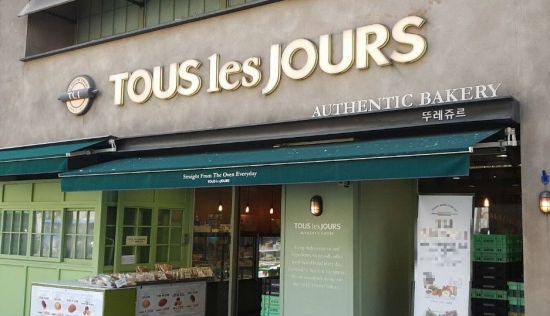
According to the dining industry on the 15th, CJ Foodville, which has operated large franchises centered on dine-in stores such as Gyejeol Bapsang, VIPS, and Jeil Jemyunso, sold its Jincheon production plant to CJ CheilJedang to offset losses. The purchase price is 20.737 billion KRW, and the transfer date is November 30. With the sale of the Jincheon plant, CJ Foodville’s production base has effectively disappeared. The Eumseong plant is also likely to be transferred along with the sale of Tous Les Jours.
CJ Foodville is restructuring its major dining businesses to offset losses. In July, CJ Foodville sold its remaining 15% stake in Twosome Place to the Hong Kong-based private equity fund Anchor Equity Partners for 71 billion KRW, but it recorded an operating loss of 6.5 billion KRW last year (separate basis). Although it carried out restructuring this year, losses increased due to COVID-19. Eventually, Tous Les Jours, a core business, also selected Deloitte Anjin as the lead manager and is proceeding with the sale process.
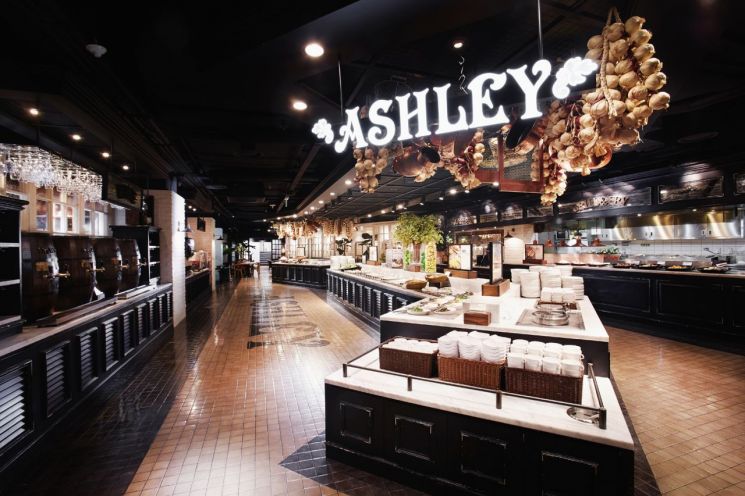
Eland Eats, which operates brands such as Natural Table, Susa, and Ashley, is also facing a crisis. In July, Eland Eats declared emergency management and business strategy restructuring due to the impact of COVID-19. Kim Wansik, CEO of Eland Eats, said, "We closed about 30 stores in the first half of the year and are considering additional measures," adding, "We will boldly withdraw brands that are not chosen by customers and simultaneously reorganize the strategies of some existing brands."
Hard to Sell Amid Recession, Withdrawal Rumors Emerge... Dining Industry on the Brink
Popeyes, once considered one of the two major domestic chicken and burger brands along with KFC, is struggling with sales and even rumors of withdrawal are circulating. Recently, one store announced its closure, implying the closure of all domestic stores, but Daehan Je-dang, which owns TS Food & System operating Popeyes as an affiliate, stated, "It is not a complete closure of all stores," and expressed its intention to continue pursuing the sale of Popeyes.
MP Group, which operates the 30-year-old native pizza franchise Mr. Pizza, is also being sold to the domestic private equity fund TR Investment. MP Group announced in July that it had selected TR Investment as the preferred bidder. Mr. Pizza recorded operating losses of 1.7 billion KRW in 2017, 377 million KRW in 2018, and 2.46 billion KRW in 2019.
Franchises That Quickly Responded to Untact Trends Are Growing Instead
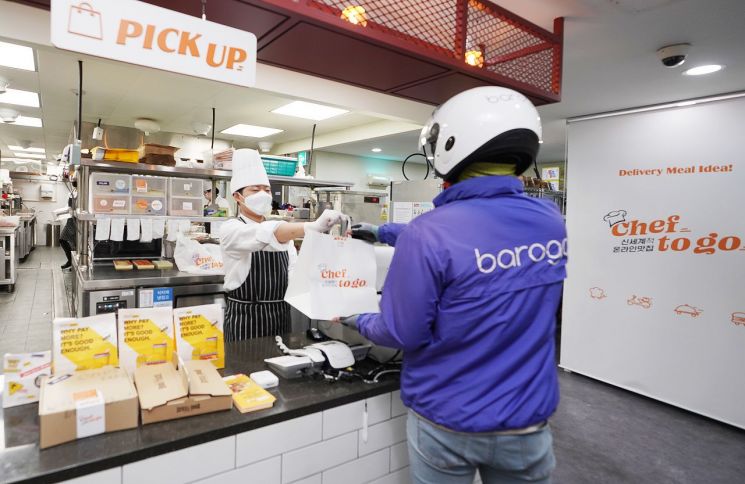
Meanwhile, dining franchises that have reorganized their survival strategies toward takeout and delivery services are holding up sales. Shinsegae Food’s 'No Brand Burger' saw its takeout ratio exceed 58% in August, a 16% increase compared to July.
In line with this trend, Shinsegae Food has started a pilot service at six locations?including No Brand Burger stores in office-dense areas such as Seoul City Hall, Jongno District Office, Euljiro 4-ga Station, and residential areas such as Jungnang Station, Junghwa Station, and Junggye Park Station?where group phone orders are placed and delivered through delivery agencies.
Additionally, at Jongno District Office and Konkuk University Station stores, which have many takeout customers, a pilot operation of Naver Smart Order was launched to shorten takeout times and improve ordering convenience. Shinsegae Food is currently exploring effective ways to implement delivery services at all No Brand Burger stores in response to the recent surge in delivery inquiries.
Small and medium dining brand Hanchon Seolleongtang also escaped sales damage by focusing on delivery. An analysis of delivery sales from August 30, when social distancing level 2.5 was implemented due to the resurgence of COVID-19, until recently showed that delivery sales increased by about 190% compared to before social distancing. Packaging sales also increased by about 36% during the social distancing period.
Gukbap brand Yuksudang launched a new business model by introducing a delivery brand under the shop-in-shop concept. It is piloting a delivery-only brand called 'Nahollo Bapsang' at its directly operated stores. Yuksudang cited the popularization of contactless and untact culture and the increased demand for delivery food as the background for launching the delivery brand. Yuksudang plans to establish manuals and observe customer and franchisee responses through pilot operations at directly operated stores before introducing the brand to franchise stores.
© The Asia Business Daily(www.asiae.co.kr). All rights reserved.


















