Iran and Palestine Simultaneously Call UAE "Traitor"
Sunni Countries Like Jordan and Egypt Welcome It
Saudi Sunni vs. Iran Shia Countries' Conflict Intensifies
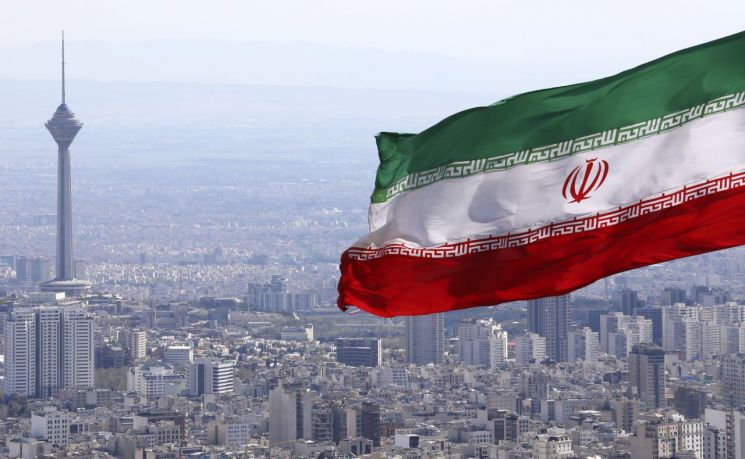
[Asia Economy Reporter Hyunwoo Lee] Iran and Palestine strongly condemned the peace agreement between Israel and the United Arab Emirates (UAE), calling it a crime that betrays the entire Islamic community. In contrast, Sunni Muslim countries such as Jordan and Egypt, which had previously signed peace agreements with Israel, welcomed the deal, saying it laid the foundation for peace in the Middle East. It is expected that the conflict between Sunni and Shia Muslim countries will intensify. The international community, including the United Nations (UN), also expressed unanimous support.
According to Iranian media Tasnim News on the 13th (local time), the Iranian Revolutionary Guard Corps issued a statement criticizing the peace agreement and diplomatic normalization between Israel and the UAE as a "shameful agreement." Hossein Amir Abdollahian, advisor to the Speaker of the Iranian Parliament, also harshly condemned the UAE's actions, saying, "The UAE's alliance with the enemy is unjustified," and "With this strategic mistake, the UAE will be engulfed in the flames of Zionism."
The pro-Iranian Palestinian Authority (PA) also expressed opposition to the agreement. Nabil Abu Rudeineh, spokesperson for the PA President, stated, "The agreement between Israel and the UAE amounts to treason," and demanded its immediate withdrawal. Hamas, the armed faction in the Gaza Strip supported by Iran, also strongly criticized the UAE in a statement, saying, "The UAE stabbed us in the back."
On the other hand, Sunni Muslim countries led by Saudi Arabia highly praised the agreement as establishing a foundation for peace in the Middle East. Egyptian President Abdel Fattah el-Sisi tweeted, "The agreement between Israel and the UAE will contribute to peace in the Middle East." Jordanian Foreign Minister Ayman Safadi also said, "If Israel recognizes the Palestinian territories as they were before the 1967 Middle East war, the Middle East will move toward peace." Egypt and Jordan are Sunni countries that had previously signed peace agreements with Israel.
Other Sunni countries such as Saudi Arabia, Bahrain, and Oman have not issued official statements but are reportedly already engaging in behind-the-scenes contacts with Israel to counter Iran. The British daily The Guardian reported, "Iran is trying to exert extensive influence across the Arab world and is clashing with the United States while attempting to close the Strait of Hormuz," adding, "Arab countries in the Gulf region are uniting to counter Iran." The confrontation between Iran and these countries is expected to become more acute.
The international community expressed unanimous support. UN Secretary-General Ant?nio Guterres said on the day, "I welcome the decision of both countries," and added, "I hope this agreement will help realize coexistence between Israel and Palestine for peace in the Middle East." French Foreign Minister Jean-Yves Le Drian also said, "The Israeli authorities' decision to halt the annexation of Palestinian territories is a positive step," and evaluated, "This agreement shows that negotiations between Israel and Palestine can resume within the framework of international law and previously agreed terms."
© The Asia Business Daily(www.asiae.co.kr). All rights reserved.

















