Contract with Germany's Knauf Insulation, Introducing Eco-Friendly Inorganic Insulation Material
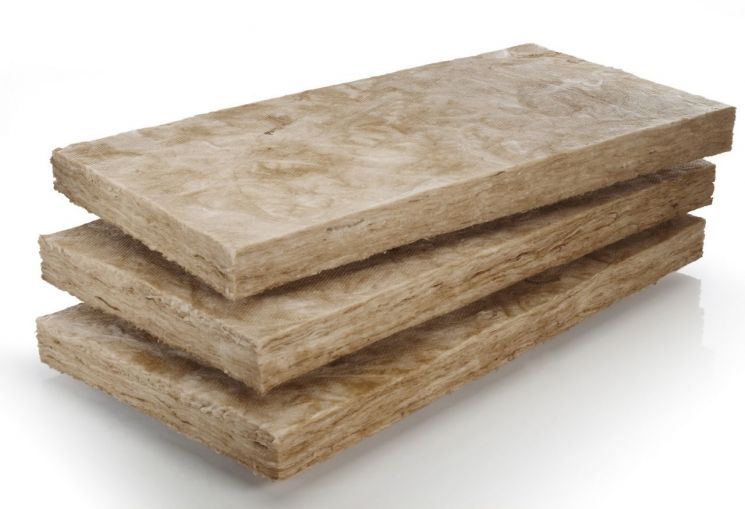
[Asia Economy Reporter Kim Jong-hwa] Hyundai L&C is entering the architectural inorganic insulation market, accelerating the expansion of its exterior material business. Architectural inorganic insulation is an insulation material applied to commercial and residential facilities, known as a safe building exterior material because it is made of non-combustible materials, unlike organic insulation materials that are vulnerable to fire.
Hyundai L&C, a comprehensive building materials company affiliated with Hyundai Department Store Group, announced on the 5th that it has signed an exclusive domestic distribution and sales contract for 'Knauf Architectural Inorganic Insulation' with Knauf Insulation, a global insulation manufacturer from Germany, and is targeting the B2B market.
Knauf Insulation is a specialized insulation subsidiary of the global building materials company Knauf Group, which produces and distributes insulation, ceiling materials, compounds, and more in an environmentally friendly way in 86 countries worldwide.
The products introduced by Hyundai L&C this time are insulation materials produced by melting glass raw materials such as silica sand at high temperatures and forming them into fibers, available in three types: for exterior walls, ceilings, and lightweight partitions. The exterior wall and ceiling types have excellent water repellency, preventing deformation or functional deterioration due to moisture. The lightweight partition type, installed between walls, features superior sound absorption that reduces echo phenomena.
In particular, the new products apply Knauf Insulation's proprietary eco-friendly patented technology called 'Ecose Binding Technology,' making them more environmentally friendly and harmless to the human body compared to conventional insulation materials. Binding connects fibers with a binder (adhesive) during insulation production. While typical insulation binders contain carcinogenic substances (formaldehyde, phenol, etc.), Knauf architectural inorganic insulation uses a binder made from natural corn starch, ensuring no harmful substances are included in the product.
Ryu Ki-hyun, General Manager of Hyundai L&C's Total Interior Business Division, said, "Our first goal is to quickly establish a foothold in the domestic inorganic insulation market worth 300 billion KRW based on differentiated product competitiveness and B2B networks," adding, "We will strengthen our position as a comprehensive building materials company by building a business area encompassing both architectural interior and exterior materials."
© The Asia Business Daily(www.asiae.co.kr). All rights reserved.
![From Bar Hostess to Organ Seller to High Society... The Grotesque Con of a "Human Counterfeit" [Slate]](https://cwcontent.asiae.co.kr/asiaresize/183/2026021902243444107_1771435474.jpg)
















