Sharp Decline in New Oil Development Investments Due to Oil Price Crash
Possibility of Long-Term Oil Price Surge
Counterarguments: Low Price Entrenchment, Renewable Energy Expansion, and Competition Among Oil-Producing Countries
[Asia Economy Reporter Naju-seok] Since the demand sharply declined after the outbreak of the novel coronavirus infection (COVID-19), uncertainty in the oil price market has increased. With a sharp drop in global industrial production as well as transportation and travel demand, there are predictions that low oil prices will continue, while others foresee a surge in oil prices as financially strained oil development companies halt or reduce new investments.
The Wall Street Journal (WSJ) reported that there is heated debate over medium- to long-term oil price forecasts. This year, oil prices have already experienced an unprecedented situation of falling below zero dollars per barrel for the first time in history. Due to the massive variable of COVID-19, oil price forecasts have also become difficult.
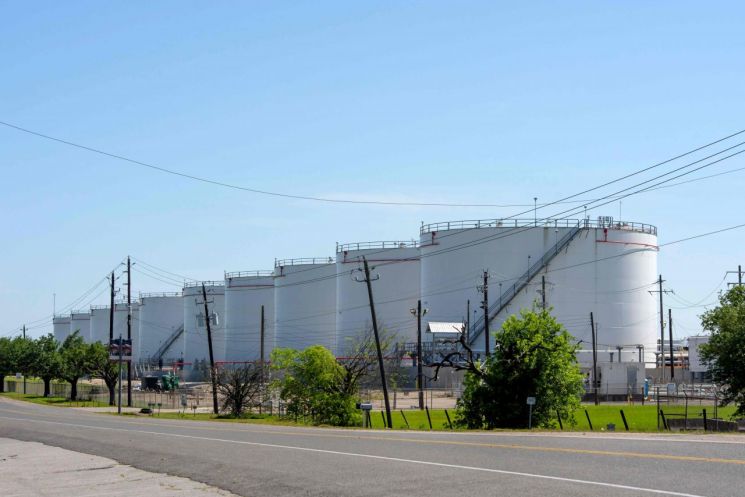
Experts are finding it difficult to forecast oil prices due to COVID-19’s impact on oil producers. Investors are also unable to predict how severe the decline in transportation and demand caused by COVID-19 will be.
Those who expect oil prices to rise point to the sluggish new investments in oil and related sectors. Banks and asset investment firms are reluctant to provide funds for new oil production or projects. For this reason, oil producers are reducing their investments. For example, ExxonMobil, the world's largest oil producer, expects significant losses in the second quarter and has cut its investment by about 30% this year. British company BP has also drastically reduced its investment plans.
For these reasons, there are discussions about the possibility of oil prices soaring in the medium to long term. Developing oil or natural gas requires upfront investment, but due to recent circumstances, oil producers have cut back on investments. Trevor Woods, Chief Investment Officer of hedge fund firm Northern Trace Capital, said, "The financial pressure is significant, and for some companies, continuing production will be difficult," adding, "It could reach $150 per barrel around 2025."
Christian Malek, an analyst at JP Morgan, predicted that oil production would decrease by 5 million barrels per day due to the shock of COVID-19. For oil production to keep pace with demand until 2030, he estimated that an additional $625 billion would be needed. He said, "Oil prices could exceed $100 per barrel within the next two years."
Of course, there are also forecasts that low oil prices could be solidified as oil demand sharply declines due to COVID-19. Some point out that changes in the energy supply and demand situation have begun as governments worldwide announce plans to expand renewable energy production. However, there is also opposition arguing that the transition to renewable energy, especially in Europe, will be slow.
Additionally, some analyses suggest that technological advancements lowering production costs could increase production if oil prices exceed $50 per barrel. Even if demand rises, supply would expand immediately, preventing a surge in oil prices. Furthermore, there is an analysis that if oil prices rise, oil-producing countries might increase production to gain market share, making a sharp rise in oil prices unlikely.
© The Asia Business Daily(www.asiae.co.kr). All rights reserved.
![User Who Sold Erroneously Deposited Bitcoins to Repay Debt and Fund Entertainment... What Did the Supreme Court Decide in 2021? [Legal Issue Check]](https://cwcontent.asiae.co.kr/asiaresize/183/2026020910431234020_1770601391.png)















