Daedong Hospital Advises Improving Eating Habits to Prevent Hypertension and Chronic Diseases Due to Excessive Sodium Intake Concerns
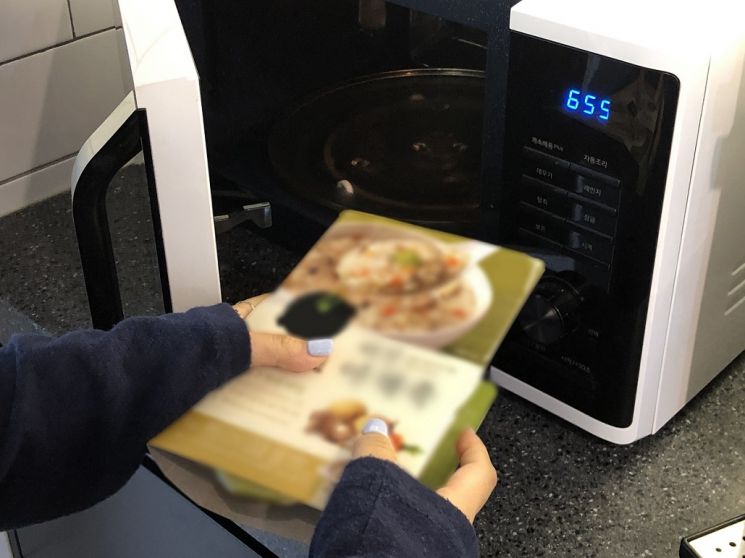 With the increase in staying at home due to COVID-19 and other factors, reliance on delivery food such as ready-to-eat meals has grown. Daedong Hospital pointed out that it is important to pay attention to health management by examining the nutritional content of ready-to-eat meals.
[Asia Economy Yeongnam Reporting Headquarters Reporter Kim Yong-woo] As going out has become a habit to be avoided due to COVID-19, the time spent staying at home has increased, making it common to rely on delivery food for meals. Do delivery foods, commonly called home meal replacements, which are pre-processed and simply prepared at home, have no impact on health?
Home meal replacements are often thought of as instant foods that are pre-processed and can be cooked and consumed in a short time, but recently, a variety of “retort” foods have been released. These are foods processed and packed in pouches, sterilized at high temperatures, and rapidly cooled to allow long-term storage.
With the development of smartphones and delivery apps combined with the COVID-19 situation, the options for enjoying meals and late-night snacks at home have greatly increased.
On the 7th, the Ministry of Food and Drug Safety announced that the nutritional content of stew-type home meal replacements is insufficient as a substitute for a full meal, as the average calories, carbohydrates, fats, and protein per serving are low.
According to the Ministry’s investigation, the sodium content per serving is 50.6% of the World Health Organization (WHO) recommended daily sodium intake (2,000mg), which is about half, raising concerns about excessive sodium intake if consumed continuously over several meals a day. Additionally, most delivery foods tend to be spicy and salty, which is also identified as a cause of excessive sodium intake.
Sodium, the nutrient most abundant in salt, is an important component that regulates body fluid osmotic pressure and balances acids and alkalis, but excessive intake can lead to chronic diseases such as hypertension, stroke, coronary artery disease, cardiovascular disease, kidney disease, diabetes, and obesity.
In particular, excessive sodium intake raises sodium concentration in the blood, causing osmotic pressure that draws water from cells with lower concentration to blood vessels with higher concentration, increasing blood volume and potentially causing hypertension. Hypertension is a dangerous chronic disease that can cause blood vessels in the heart or brain to rupture or become blocked, leading to heart disease and stroke.
Generally, adults aged 18 and over are diagnosed with hypertension when blood pressure is 140mmHg/90mmHg or higher. Hypertension is the most common circulatory disease, including heart and blood vessels. In South Korea, it is known that 20-30% of adults aged 45 and older have hypertension.
Hypertension has no clear symptoms, which is why it is sometimes called the “silent killer.” Therefore, the most useful way to detect hypertension is to regularly measure blood pressure and check one’s blood pressure status.
Most hypertension patients require lifelong blood pressure treatment and management. Especially when hypertension develops, lifestyle changes are essential. Reducing weight to maintain an appropriate body weight, eating less salty food, quitting smoking and alcohol, exercising regularly, and reducing stress help control blood pressure.
If blood pressure cannot be controlled by lifestyle changes or is very high, medication is used to control blood pressure, and sometimes multiple medications must be taken together to manage it.
Excessive sodium intake not only causes hypertension but also damages capillaries, leading to decreased kidney function and chronic renal failure. Additionally, as sodium leaves the body, calcium is lost along with it, increasing the risk of osteoporosis.
Kim Byung-soo, Director of the Cardiovascular Center at Daedong Hospital (specialist in cardiology), said, “Soups, stews, kimchi, and salted seafood, which Koreans prefer, contain large amounts of sodium,” adding, “The increase in home meal replacements, group meals, and eating out with such menus can cause an increase in hypertension, cardiovascular and cerebrovascular diseases, kidney disease, and diabetes, so proper dietary habit improvement is necessary.”
In an era where it is difficult to avoid home meal replacements, Daedong Hospital officials emphasize the importance of developing a habit of checking the nutritional information labeled on the back of products to take care of health.
They also recommend supplementing insufficient calories or protein by consuming other foods together, cooking with foods high in potassium such as onions and green onions, or adjusting seasoning to control sodium intake. Experts warn to refrain from eating home meal replacements or relying on delivery food for all three meals a day.
© The Asia Business Daily(www.asiae.co.kr). All rights reserved.
![Clutching a Stolen Dior Bag, Saying "I Hate Being Poor but Real"... The Grotesque Con of a "Human Knockoff" [Slate]](https://cwcontent.asiae.co.kr/asiaresize/183/2026021902243444107_1771435474.jpg)
















