Professor Son Aeri of Department of Health Management, Sahmyook University Research Presentation
Crisis Communication Government Response Score 84.44 Points
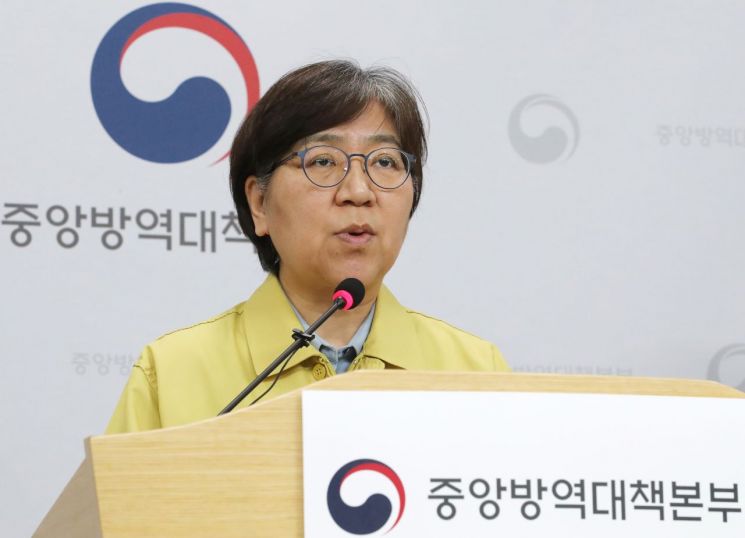
[Asia Economy Reporter Hyunju Lee] In the so-called 'infodemic' situation, where false information spreads like an epidemic due to the impact of the novel coronavirus infection (COVID-19), regular briefings by the Korea Disease Control and Prevention Agency and the disclosure of confirmed patients' movement paths played a key role in preventing the spread of rumors, according to an analysis.
On the 27th, Professor Son Aeri of the Department of Health Management at Samyook University announced the results of an analysis of the overall crisis management communication of the Korean government related to COVID-19 through written interviews with 18 crisis communication experts.
The experts generally gave a high evaluation, awarding an average score of 84.44 out of 100 for the government's response to rumors and fake news. Among various government communication activities, regular briefings (3.84 points) were considered the most helpful, followed by the disclosure of confirmed patients' movement paths (3.68 points), which also received high marks.
Professor Son also categorized cases of rumors and fake news related to COVID-19. These ranged from solution-seeking news such as claims that taking vitamin C can prevent COVID-19 or that masks can be disinfected and reused using LED ultraviolet sterilizers, to assertions that the malaria treatment drug chloroquine is effective for treatment. There were also rumors that the quarantine authorities prevented frontline medical institutions from conducting diagnostic tests, resulting in a decrease in the number of confirmed cases.
The experts observed a clear tendency for rumors and fake news to increase public anxiety. Nevertheless, they analyzed that the trust formed based on the government's prompt and accurate communication relatively minimized side effects such as incorrect preventive behaviors or panic buying caused by fake news.
Professor Son stated, "New infectious diseases like COVID-19 are areas where rumors are likely to occur due to a lack of information and many scientifically unverified aspects," and suggested, "If accurate and high-quality information is shared transparently, promptly, and sufficiently, the spread of misinformation can be prevented."
© The Asia Business Daily(www.asiae.co.kr). All rights reserved.

















