Strong Performance by Novarex and Kolmar BNH
Government's Regulatory Relaxation Policy Also a Positive Factor
[Asia Economy Reporter Eunmo Koo] As consumer interest in the necessity of health functional foods has increased due to the COVID-19 pandemic, the stock prices of related companies are also gaining momentum. Considering the growing interest in health, accelerating aging, and the government's regulatory easing stance, it is analyzed that related stocks have the potential for continuous growth.
According to the Korea Exchange on the 24th, the stock price of Kolmar BNH, a health functional food manufacturer, closed at 42,750 KRW, up 1.30% (550 KRW) from the previous trading day. Since April, Kolmar BNH's stock price has risen 82.2% until the previous day, showing an upward trend. During the same period, other health functional food-related stocks such as Seohung (55.4%), Cosmax BTI (53.0%), Nutri (47.0%), Novarex (46.1%), Chong Kun Dang Bio (42.2%), Green Cross Wellbeing (37.8%), and Farmsville (23.4%) have also continued their upward momentum.
It is analyzed that the spread of COVID-19 has given wings to the growing health functional food industry. During the spread of COVID-19, it was reported that the majority of deaths had underlying conditions such as hypertension and diabetes, highlighting the importance of immunity, which has led to increased consumption of health functional foods aimed at boosting immunity.
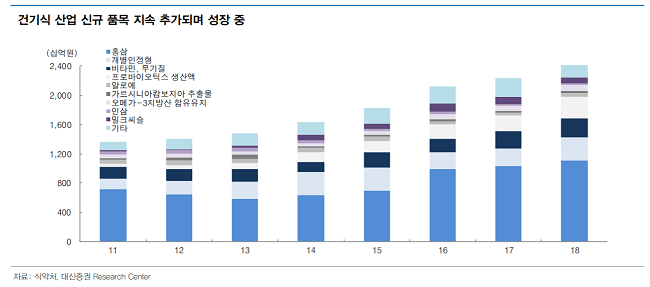
Even if the spread of COVID-19 slows down in the future, demand for health functional foods is expected to continue. Unless a person has serious underlying diseases, they are more likely to purchase health functional foods for preventive purposes rather than prescription drugs. Hyoyu Son, a researcher at Hanwha Investment & Securities, forecasted, "With increasing health interest across all generations, the domestic health functional food market is likely to maintain a stable growth rate of 5-10% in the future." According to the Health Functional Food Association, the domestic health functional food market size reached approximately 4.58 trillion KRW last year, growing at an average annual rate of 11.7% since 2015.
The government's expected continuation of regulatory easing in the health functional food market is also a positive factor for the related industry. Amid prolonged economic stagnation, low birth rates, and aging population, the government's health insurance burden is increasing. The government, wanting to alleviate the health insurance burden, has no choice but to support the growth of the 'self-medication' market where individuals manage their own health.
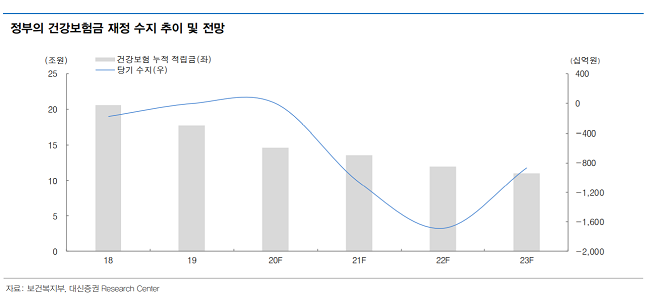
According to the Ministry of Health and Welfare, the accumulated health insurance reserve fund decreased by 2.8 trillion KRW from 20.6 trillion KRW in 2018 to 17.8 trillion KRW last year. Hyungrae Han, a researcher at Daishin Securities, stated, "Since the accumulated health insurance reserve fund is expected to decline in the mid to long term, the government's regulatory easing stance on the health functional food market will inevitably continue," adding, "This policy trend will lead to mid- to long-term growth of the health functional food industry."
© The Asia Business Daily(www.asiae.co.kr). All rights reserved.


















