National Gyeongju Cultural Heritage Research Institute, Gyeongju Bronze Age Lighting Academic Conference
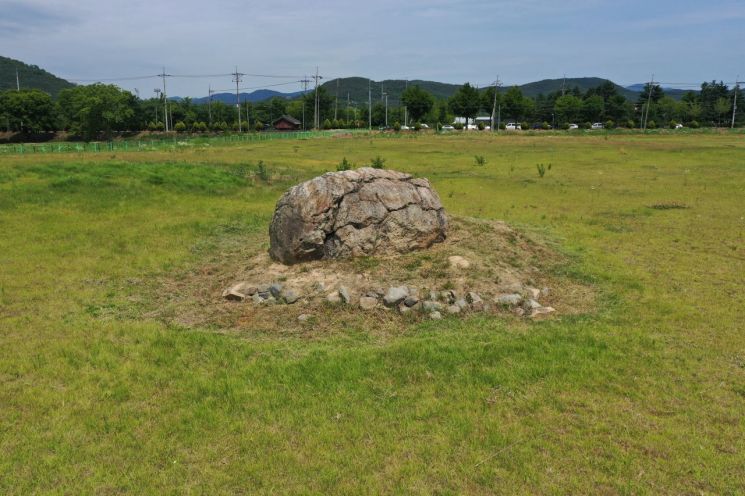
The National Gyeongju Cultural Heritage Research Institute and the Korean Bronze Age Society will hold an academic conference on the morning of the 19th at 10 a.m. at the Gyeongju Hilton Hotel under the theme "The Bronze Age of Gyeongju: People and Culture - Life and Death." The conference will review Bronze Age tombs, settlements (聚落), and artifacts to shed light on the lives and culture of prehistoric people who lived in the Gyeongju Basin before the formation of the Silla royal capital. It will also examine the process by which the Gyeongju community developed from the Bronze Age into the ancient state of Silla.
In Part 1, the culture and dwellings of the Bronze Age in the Gyeongju area will be observed. Professor An Jae-ho of the Department of Archaeology and Art History at Dongguk University will provide a comprehensive overview of the Bronze Age culture and society in Gyeongju, and Baek Gun-yeol of Seongnim Cultural Heritage Research Institute will explain changes in the dwelling patterns of the Bronze Age in the Gyeongju area.
Part 2 will examine the people, tools, and burial customs of Bronze Age Gyeongju. Yoo Byung-rok of Sejong Cultural Heritage Research Institute will present the characteristics of Bronze Age pottery and stone tools excavated in the Gyeongju area, and Yoon Hyung-gyu of Samhan Cultural Heritage Research Institute will discuss the formation process of burial mound dolmens within the Geomdan-ri cultural zone. Lee Soo-hong of Ulsan Cultural Heritage Research Institute will talk about the process leading to the end of the dolmen society in the Gyeongju area. The subsequent discussion will feature various opinions aimed at clarifying the Bronze Age culture of the Gyeongju region.
The National Gyeongju Cultural Heritage Research Institute will livestream the presentations through its YouTube channel. The institute has previously excavated and investigated major Bronze Age sites in key areas of Gyeongju, such as residential sites around Guhwang-dong Wonji and stone coffin tombs near Bunhwangsa Temple. The sites discovered at that time are regarded as important materials for understanding the prehistoric and historic cultural landscape of the Gyeongju Basin.
© The Asia Business Daily(www.asiae.co.kr). All rights reserved.

















