▲Cheongjin Park ▲Maronie Park ▲Rest Area Behind Pyeongchang-dong Community Center ▲Doryeom Park ▲Wonso Park and 5 Other Sites
Construction of Various Types of Traditional Pavilions Reflecting Site Characteristics... Jongno-gu Introduces Korea's First Hanok Material Bank System During Construction
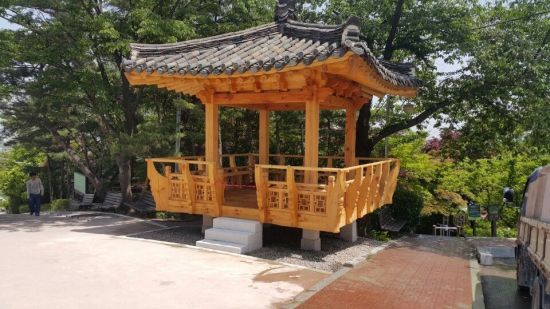 Waryong Park Traditional Pavilion
[Asia Economy Reporter Park Jong-il] Jongno-gu (District Mayor Kim Young-jong) is implementing the "Traditional Pavilion Construction Project on Public Land" by December this year, building traditional pavilions on public sites within the district to provide resting places for local residents.
Starting in 2018, the district demolished the aging existing pavilion in Waryong Park and constructed a traditional pavilion. In 2019, two traditional pavilions reflecting the beauty of Korean traditional architecture were built at the Olympic Memorial National Life Center in Hyehwa-dong and Mugunghwa Hill in Gungjeong-dong.
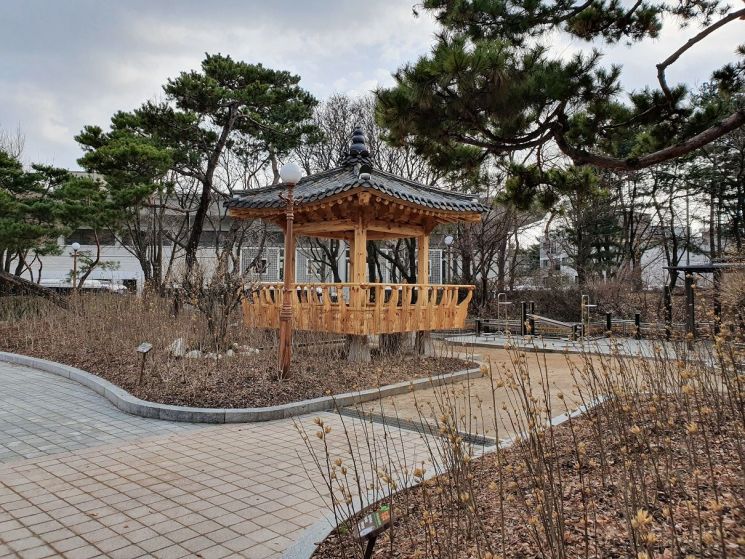
This year, the project sites have been finalized at five locations: Cheongjin Park, Marronnier Park, the resting area behind Pyeongchang-dong Community Center, Doryeom Park, and Wonseo Park. The plan is to build various forms of traditional pavilions by the end of the year, reflecting the characteristics of each site.
What makes this pavilion construction project special is the utilization of the Hanok Material Bank system, which Jongno-gu established and has operated since 2015, the first of its kind nationwide.
The Hanok Material Bank was established to systematically manage hanok materials that are inevitably demolished due to development or new building construction and to recycle these hanok demolition materials as traditional cultural resources.
Through the hanok demolition material management system, materials are supplied for a fee to those in need, and residents receive consultations and technical support from hanok experts. This contributes to restoring the value of hanoks, which possess sufficient cultural heritage value but disappear due to redevelopment or building owners' circumstances.
The district expects to achieve two effects by using about 40% of hanok demolition materials held by the Hanok Material Bank in the construction of traditional pavilions: reducing construction costs and recycling construction waste as traditional cultural resources.
District Mayor Kim Young-jong stated, "We will complete the traditional pavilion construction by the end of the year to support residents in taking rest and regaining leisure in their lives at the newly built traditional pavilions," adding, "We will continue to promote various projects befitting Jongno as the center of Korean culture and contribute to widely publicizing the excellence of Korean traditional culture."
© The Asia Business Daily(www.asiae.co.kr). All rights reserved.

















