The Rising Trend of 'Home Training' Amid COVID-19 Drives E-commerce Sales Vertical Surge
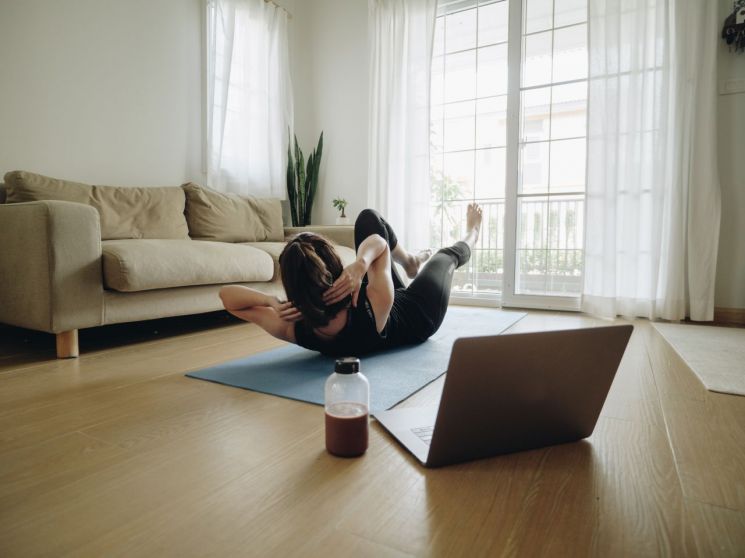
#. Kim Jeong-hee (pseudonym), a woman in her 30s working in an office, has gained a noticeable amount of weight this year as she refrained from outdoor activities due to the novel coronavirus infection (COVID-19) and stopped going to the gym she used to attend regularly. She jokingly referred to herself as a 'hwakjjinja' (a term for someone who has gained weight during the pandemic), but she also worried that this might harm her health. After much consideration, she chose 'home training' as a solution. Upon searching, she found that e-commerce companies were increasing sales of home training products for people like her who had similar concerns. Moreover, startups offering home training services through non-face-to-face (untact) methods also caught her attention. With more options available, deciding which home training to do became Kim's new dilemma.
As the prolonged spread of COVID-19 has made home training?a way to exercise at home?a rising trend, the related market is also expanding. In e-commerce, sales of home training-related products have skyrocketed, and the number of members of startups providing online personal training (PT) services has significantly increased.
According to e-commerce company TMON on the 11th, an analysis of home training-related product sales over the past month showed an average increase of more than 50% compared to the same period last year. By product category, sales of 'push-up bars,' which help users perform push-ups at home, increased by 121%. Sales of exercise equipment like 'steppers,' which allow users to simulate stair climbing in place, rose by 115% compared to the previous year, and various health accessories grew by 75%. Additionally, treadmill sales increased by 36%, and sales of 'door gyms,' pull-up bars installed on door frames for exercising, rose by 31%. In response, TMON is offering various home training products such as push-up bars, yoga mats, and pull-up bars at special prices.
The growth of the home training market in e-commerce is also evident at WEMAKEPRICE. WEMAKEPRICE announced that sales of home training products from the 1st to the 19th of last month showed a significant overall increase compared to the same period last year. Specifically, sales of 'walking pads,' which allow easy walking exercise at home, surged by 1128%, and yoga mats increased by 568.5%. Sales of 'yoga rings,' which assist with various stretching movements, rose by 487.6%. Massage balls increased by 20%, and trampolines, used for jump exercises, grew by 9.2%. An industry insider explained, "As it remains difficult to go out, the demand for self-care is growing stronger, leading to increased sales of home training products that allow easy exercise at home."
Not only in e-commerce but also in the startup industry, the effects of the home training boom are appearing. For example, the startup Dano, which provides a total diet solution for women, reported that its online PT service 'MyDano' had 12,000 students last month. Since the full-scale spread of COVID-19 in February, the number of students increased steadily from 4,300 in the same period last year to 11,000, a 155% increase, according to Dano. Inquiries about enrollment also rose by about 20% daily compared to before the COVID-19 outbreak. MyDano is a smartphone application-based diet coaching service that combines home training and online PT, featuring dedicated coaches who provide personalized exercise programs and meal plans tailored to each student daily. A Dano representative said, "As the COVID-19 situation intensified, inquiries about enrollment continued to increase, so we temporarily increased the number of coaches."
© The Asia Business Daily(www.asiae.co.kr). All rights reserved.
![User Who Sold Erroneously Deposited Bitcoins to Repay Debt and Fund Entertainment... What Did the Supreme Court Decide in 2021? [Legal Issue Check]](https://cwcontent.asiae.co.kr/asiaresize/183/2026020910431234020_1770601391.png)
















