Overcoming Clich? Settings of Love and Betrayal Among Youth with Aesthetic Experimentation and Progressiveness
“Unique Aesthetic Achievement... Anticipated Reevaluation”
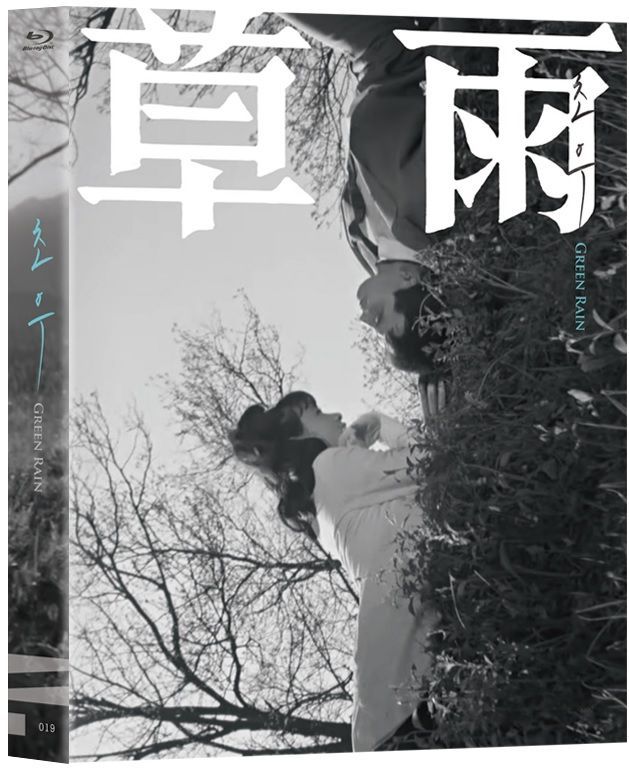
“When the loneliness seeping into my chest struggles / The dream of a wanderer with no destination disappears and cries in the rain / Because I loved so much, because I loved so much / There is no way to forget the wounds of the heart, even the sound of rain sobs.”
This is the introduction to “Chowoo,” one of singer Patti Kim’s representative songs. It was produced as the theme song for the film Chowoo (1966), directed by Jeong Jin-woo. It adds a sorrowful aftertaste to the misguided romance of youth dreaming of social advancement.
Car mechanic Cheolsu (Shin Seong-il) and Young-hee (Moon Hee), a maid at the French Embassy, whisper love to each other while hiding their true social status. Cheolsu is beaten by passersby after stealing money to give as a gift to Young-hee. Approaching her in a shabby state, he confesses his poverty. Young-hee also reveals that she is not the daughter of the French ambassador. Cheolsu is overwhelmed by betrayal and cries out. After a sad night, he leaves her side.
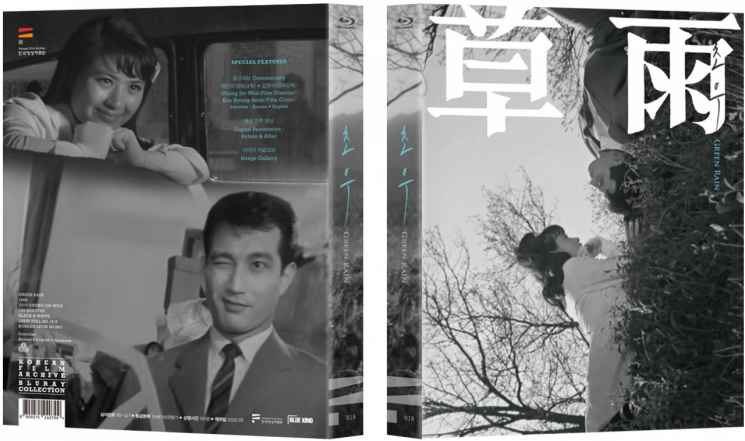
The heartbreaking romance and theme song “Chowoo,” which received much love, is being reappraised through a 4K digital Blu-ray restoration by the Korean Film Archive. It is a representative Korean “cine-poem” film. Like Do as You Please (1959) and The Elevator to the Gallows (1958), it evokes poetic emotions through visual expression. Director Jeong Jin-woo recalled, “I wanted to minimize story, theme, and dialogue, and create the film solely through the form that comes from the camera.”
The aesthetic experimentation and advancement were enough to overcome the clich?d setting of young love and betrayal. It created impressive images through rare camera work and editing. A Korean Film Archive official said, “It is a work that goes against the literary nature of mainstream Korean films at the time, which were mostly literary films,” and added, “It achieved a unique aesthetic accomplishment by overcoming the limitations of youth films that declined after Barefoot Youth (1964).” “Because of the genre characteristics of melodrama, it has not received much attention until now. We expect it to gain a chance for reevaluation through the Blu-ray release.”
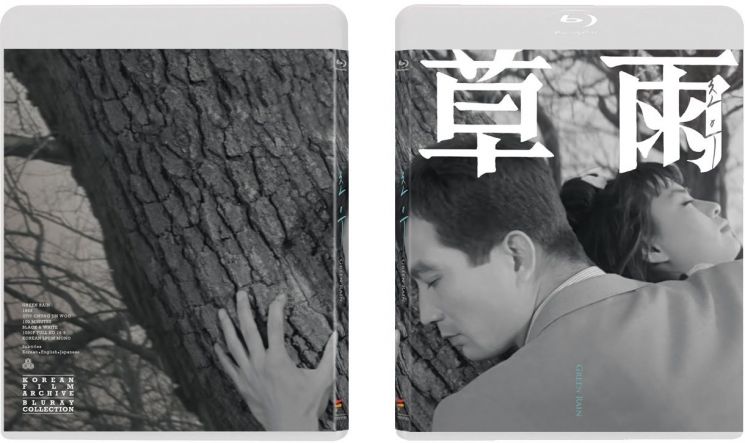
The Blu-ray was produced based on the 4K restoration completed by the Korean Film Archive in 2017. Torn parts of the original negative film were repaired, and image shaking and scratches were corrected. Additionally, noise in the sound was removed and the audio balance was adjusted. As supplements, film commentaries by director Jeong Jin-woo and critic Kim Hyeong-seok were included. A Korean Film Archive official said, “The director’s clearly remembered production stories and directing philosophy will help viewers understand the film more richly.”
© The Asia Business Daily(www.asiae.co.kr). All rights reserved.



















