Yeongdeungpo A Nursing Hospital Faces Forced Eviction
Eviction Possible Without Lawsuit if Rent is Overdue for 3 Periods
Tenants Struggling Due to COVID-19 Feel Helpless
Unaware of 'Jeoson Jeonhwhae' Agreement, Suffered Losses
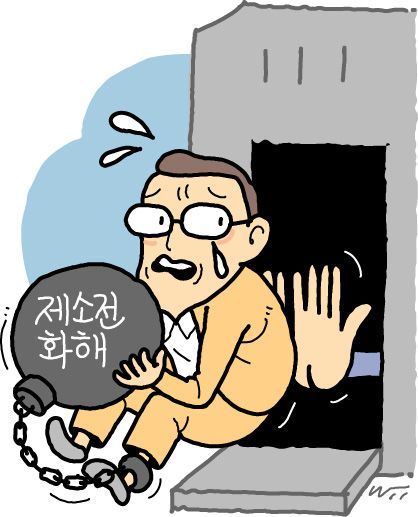
[Asia Economy Reporter Moon Jiwon] Due to the economic downturn caused by the novel coronavirus infection (COVID-19), tenants who have fallen behind on rent are being forced out onto the streets by landlords' sudden 'contract termination' notices. This is because of the 'pre-litigation settlement' regulation, which allows for immediate forced eviction without separate litigation procedures if rent is overdue for three months. There are concerns that tenants, struggling due to the economic recession and unable to recover key money or find alternative locations, have no proper means to contest such evictions.
According to industry sources on the 5th, a five-story A Nursing Hospital located in Yeongdeungpo-dong, Yeongdeungpo-gu, Seoul, recently received a notice from the landlord to vacate the building less than a month before the contract expiration date. The landlord claimed that three months' rent was overdue and applied to the court for forced execution using the pre-litigation settlement as the enforcement title.
The pre-litigation settlement refers to a judicial settlement applied for by the parties involved to a judge before a general civil dispute proceeds to litigation. Once established, the pre-litigation settlement has the same effect as a final Supreme Court judgment. Typically, if a tenant does not vacate the premises, the landlord must go through a process of litigation to verify the facts. However, if a pre-litigation settlement stating 'forced execution can be carried out if rent is overdue for three months' is made in advance, the tenant can be evicted immediately upon meeting the condition.
The problem is that tenants, who generally have less information than landlords, sometimes comply with landlords' demands without fully understanding the pre-litigation settlement regulation, only to suffer damages later. According to legal circles, it is common for landlords to hire lawyers for both parties to apply for the pre-litigation settlement. The A Nursing Hospital also only became aware of this regulation after the landlord notified them of the contract termination.
A representative of the A Nursing Hospital said, "Although we have recently struggled due to COVID-19, we have spent a lot of money over eight years to repair various facilities such as sprinklers and safety bars, and we receive many patients from university hospitals, so the hospital is operating normally." He added, "Even ordinary households are usually given enough time to move, but we feel helpless as they are trying to forcibly execute eviction without any consideration."
Currently, about 120 patients are hospitalized at the hospital, and among them, about 20 patients have no guardians and are registered with the hospital as their address, making immediate relocation difficult. According to the contract, the tenant must pay the landlord twice the monthly rent (about 40 million KRW) until they vacate, which adds to the burden. A legal office representative for the landlord stated, "If the tenant does not cooperate, the court officer will move the patients and then carry out the forced execution."
Recently, a similar case occurred in Gangnam-gu, Seoul. The Hyemin Animal Hospital in Yeoksam-dong, famous for treating incurable diseases in pets, was forcibly evicted on the 14th of last month due to overdue rent amid the recession. The cause was a pre-litigation settlement made in April last year.
A representative of the animal hospital claimed, "The landlord said it was a simple matter, so we agreed, but later the landlord hired lawyers for both sides and established the pre-litigation settlement." He added, "The tenant's lawyer did not inform the tenant of this fact after the settlement was established."
The animal hospital applied to the court to suspend the forced execution, but the suspension order was issued the day after the execution took place. The hospital is currently requesting a rehearing, arguing that the process of appointing the legal representative who established the pre-litigation settlement was improper. If the court accepts the hospital's claim, they can be compensated for damages suffered during the forced execution process.
Lawyer Park Seokju of Law Firm Oreun explained, "Depending on the content, the pre-litigation settlement can work in favor of landlords to recover deposits, but it is more commonly used by landlords to easily evict tenants." He added, "If there is a problem in the process of establishing the pre-litigation settlement, it can be nullified through a rehearing and contested through litigation."
© The Asia Business Daily(www.asiae.co.kr). All rights reserved.

















