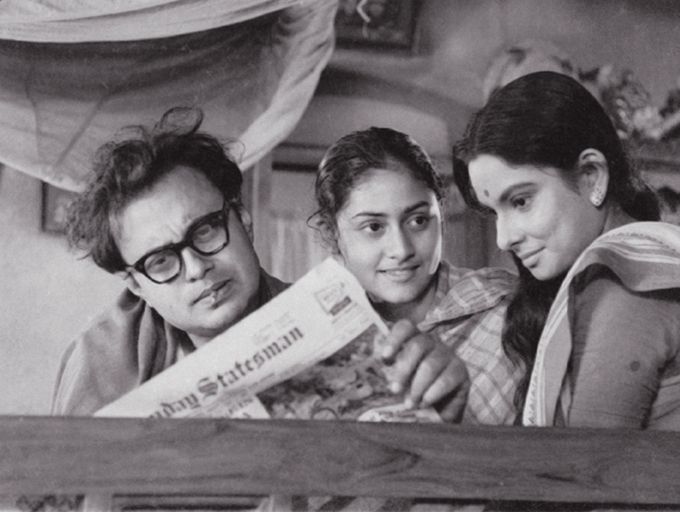
Satyajit Ray (1921?1992) is called the father of Indian cinema. He took charge not only of directing but also cinematography, art, and music, reflecting on his country's social and cultural traditions and issues. His contemplative attitude, expressed through peculiar and subtle expressions, provided an opportunity to reconsider our lives anew. His modern cinematic style has developed and continues to influence many directors today.
Cinematheque Seoul Art Cinema will hold a "Satyajit Ray Special Exhibition" from the 3rd to the 14th of next month. It will screen his representative works including The Big City (1963), The Lonely Wife (1964), The Coward (1965), The Adultery (1965), The Hero (1966), and The Elephant God (1979).
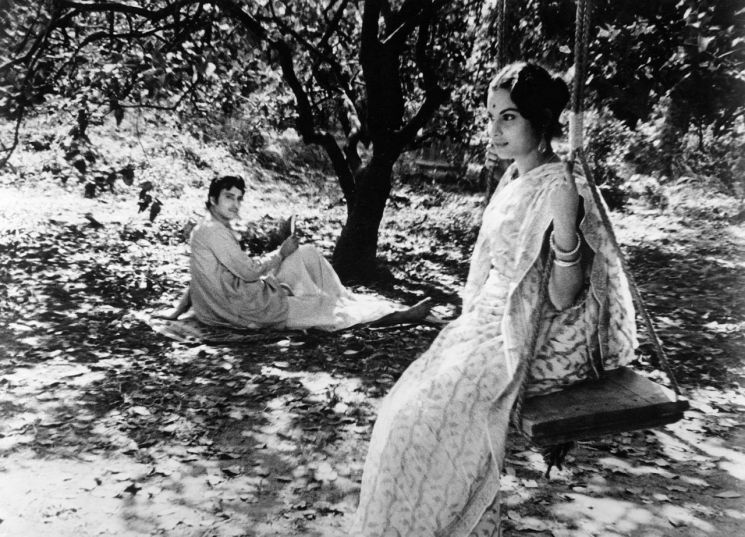
The Big City deals with family conflicts arising as Arati (Madhu Mukherjee), a housewife facing economic difficulties, works as a door-to-door salesperson. Ray’s consistent attitude of protecting the socially vulnerable is delicately portrayed. The Lonely Wife also sheds light on the role of women and male-centered households. The original work is Tagore’s novel Broken Nest. It depicts the changes in Charulata (Madhu Mukherjee), who spends lonely times due to her busy husband despite economic affluence. Ray won the Best Director Award at the Berlin International Film Festival (1964, 1965) for these two works.
The Coward is a melodrama depicting Roy (Sumitra Chatterjee) reuniting with his former lover Karuna (Madhu Mukherjee). The Adultery is a comedy about Mitra (Prasad Mukherjee), who, after losing his wife, brings home a mysterious man named Baba (Charuprakash Ghosh), leading to various incidents. Both works stand out for their detailed situational direction and warm perspective.
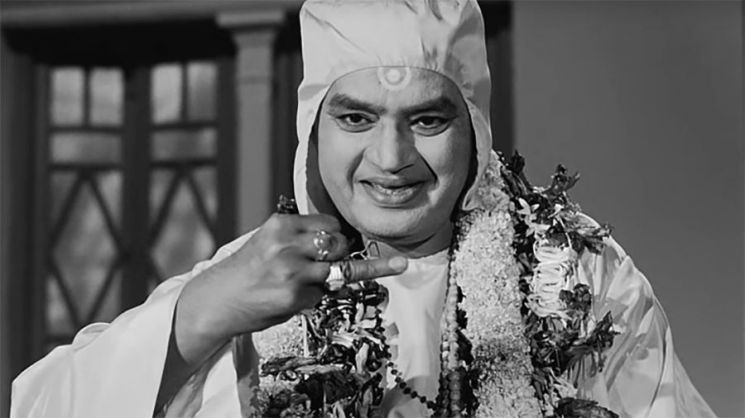
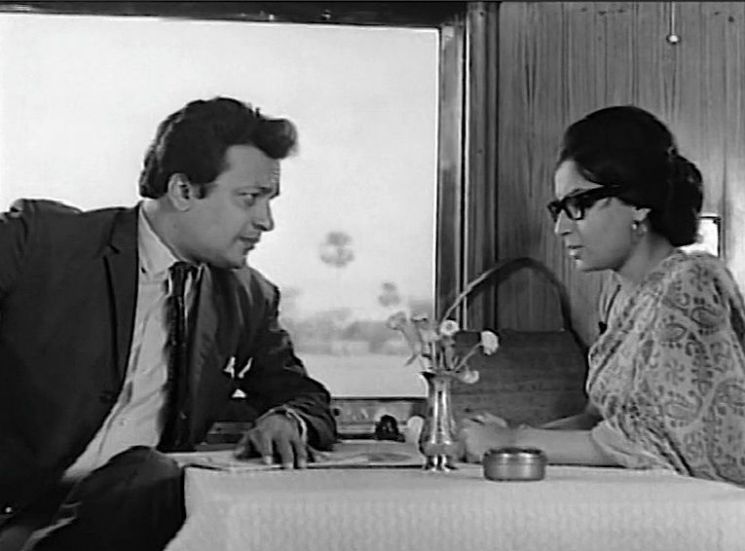
The Hero tells the story of famous actor Arindam (Utam Kumar) who finds himself cornered during an interview with a journalist (Shamila Tagore) he meets by chance on a train. It is famous as a melodrama that actively uses flashbacks. The Elephant God is based on a novel of the same name written by Ray himself. It depicts the struggles of private detective Feluda (Sumitra Chatterjee) trying to protect the Golden Elephant Award. The atmosphere of the crime and mystery genre and the director’s perspective on rapidly changing society intersect intriguingly.
Seoul Art Cinema commented, “Ray skillfully crossed the boundaries between fiction and reality, breathing vivid realism into his works.” They added, “By utilizing insert shots (shots that specifically show parts of objects or actions) and tracking shots (shots filmed on tracks following moving actors), he gave new perspectives to seemingly simple images,” and “He always created interesting and captivating cinematic moments, such as generating dramatic fun by clashing characters of different natures.”
© The Asia Business Daily(www.asiae.co.kr). All rights reserved.



















