[Asia Economy Reporter Naju-seok] Can the novel coronavirus infection (COVID-19) be seen only as a natural disaster? The COVID-19 pandemic has revealed structural inequalities and contradictions within each society. In the United States, the infection and death rates among Black people have been shockingly high, indicating that COVID-19 may escalate into a racial issue.
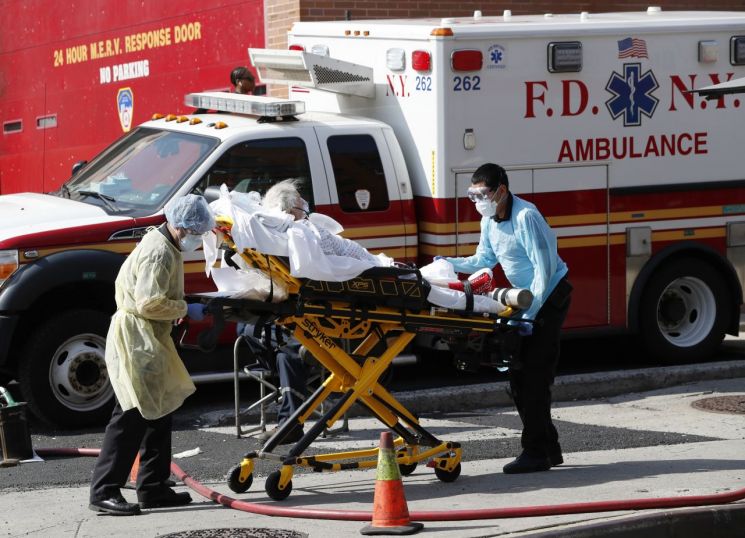
According to the American daily newspaper The Washington Post (WP) on the 7th (local time), the death and infection rates of COVID-19 among Black people were found to be higher than those of other races.
For example, in Milwaukee, Wisconsin, Black people make up 26% of the population, but account for 70% of COVID-19 deaths. In Louisiana, Black people constitute 32% of the total population but represent 70% of COVID-19 deaths. In Michigan, Black people are 14% of the population, yet they account for 33% of COVID-19 cases and 41% of deaths.
U.S. President Donald Trump addressed this issue during a press conference that day. President Trump asked, "Why are the infection and death rates among Black groups 3 to 4 times higher than those of other racial groups?" and said, "This doesn't make sense. We will statistically review this over the next 2 to 3 days."
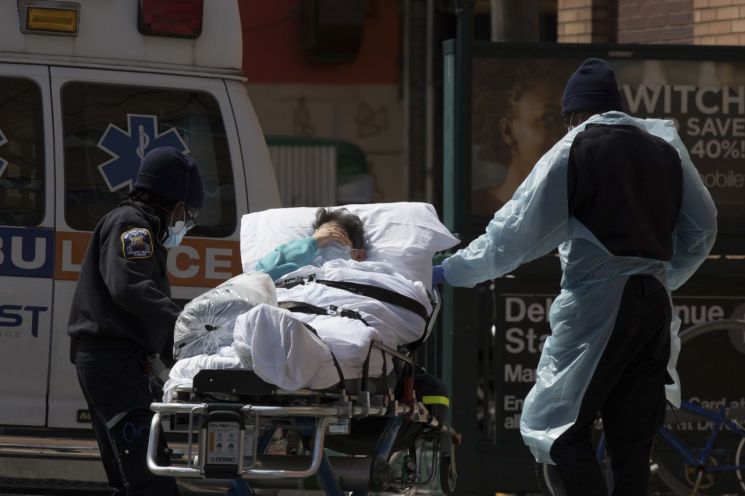
The high death rate among Black people has also been attributed to underlying health conditions. Black people are more likely to have diabetes, heart disease, and lung diseases. Those with such conditions are more vulnerable to COVID-19.
WP pointed out that no previous pandemic has shown such racial disparities.
Some media outlets have analyzed that social and economic factors contribute to racial differences. CNN, for example, highlighted not only underlying health conditions among Black people but also issues such as low insurance coverage, inability to receive hospital treatment due to economic circumstances, and housing conditions.
Additionally, WP suggested that many Black people work in essential but low-wage jobs such as food service and public transportation. These workers cannot avoid contact with the public, making them more exposed to infection risks.
Experts believe these factors likely acted in combination. Problems with health insurance created an environment where underlying conditions increased, and the lack of health insurance and limited access to medical care due to these conditions resulted in higher COVID-19 fatality rates.
In U.S. political circles and civil society, it has been pointed out that public health strategies should be established to ensure equal access to testing and treatment and to help those vulnerable to infection.
© The Asia Business Daily(www.asiae.co.kr). All rights reserved.
!["The Woman Who Threw Herself into the Water Clutching a Stolen Dior Bag"...A Grotesque Success Story That Shakes the Korean Psyche [Slate]](https://cwcontent.asiae.co.kr/asiaresize/183/2026021902243444107_1771435474.jpg)

















