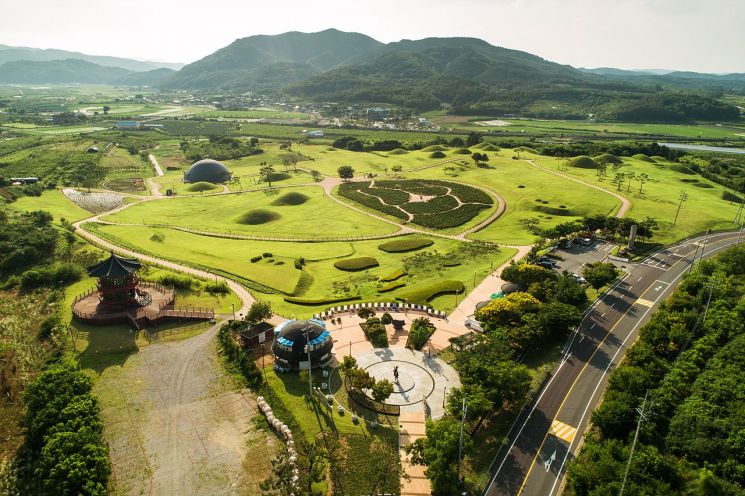
[Asia Economy Reporter Lee Jong-gil] A total of 324 tombs, presumed to have been constructed by the Silla forces in Uiseong, Gyeongbuk during the 5th to 6th centuries, have been elevated to the status of nationally designated cultural heritage sites. The Cultural Heritage Administration announced on the 1st that the Gyeongsangbuk-do Monument "Uiseong Geumseong-myeon Burial Mounds," which groups together the burial mounds located in Daeriri, Hakmiri, and Tapri-ri in Geumseong-myeon, Uiseong-gun, has been designated as a historic site. However, 50 unexcavated burial mounds were excluded from the original 374 mounds announced for designation on January 20.
Geumseong-myeon in Uiseong was an area where the tribal state called Jomunguk existed during the Samhan period. It is said that it was later incorporated into Silla and became a northern stronghold in political, economic, and cultural aspects. Since the excavation of the Uiseong Tapri-ri burial mounds in 1960, 17 burial cultural heritage surveys and 9 academic investigations have been conducted in this area. Burial styles, such as the modified Silla tomb style known as Jeokseok Mokgwakmyo (積石木槨墓, stone mound wooden coffin tomb), have been identified.
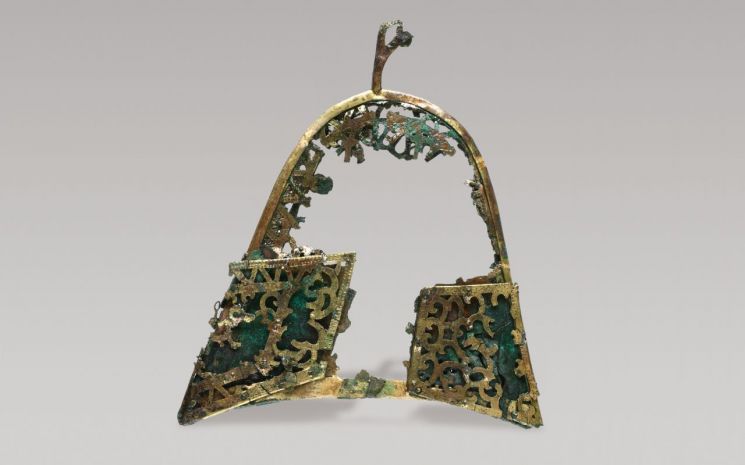
Inside the tombs, various prestige goods suggesting a connection with Gyeongju, the capital of Silla, were found, including headgear worn on the head, earrings, belt ornaments, and ring-handled knives. Locally distinctive "Uiseong-style pottery" was also excavated, including tall cups (goblets), jars, and lids, which are believed to have been consistently produced and circulated.
Uiseong-gun emphasized, "This is an important site that indicates its role as a Silla stronghold," adding, "The remains and artifacts show similarities to Gyeongju but also have unique characteristics." A Cultural Heritage Administration official stated, "Geumseong-myeon in Uiseong was a transportation hub connecting Gyeongju and northern Gyeongbuk and held a strategically very important position," and added, "Analyzing the formation period of the burial mounds suggests that they are likely tombs of the ruling class of the guk-eup (national town, central settlement)."
© The Asia Business Daily(www.asiae.co.kr). All rights reserved.


















