Countries Initially Responded with Quarantine Strengthening Shift to Mass Entry Bans
"Total Ban on All Foreign Entries" Approaching 70 Countries with Blanket Lockdowns
Concerns over International Disconnect... Government Activates Diplomatic Channels for Ongoing Negotiations
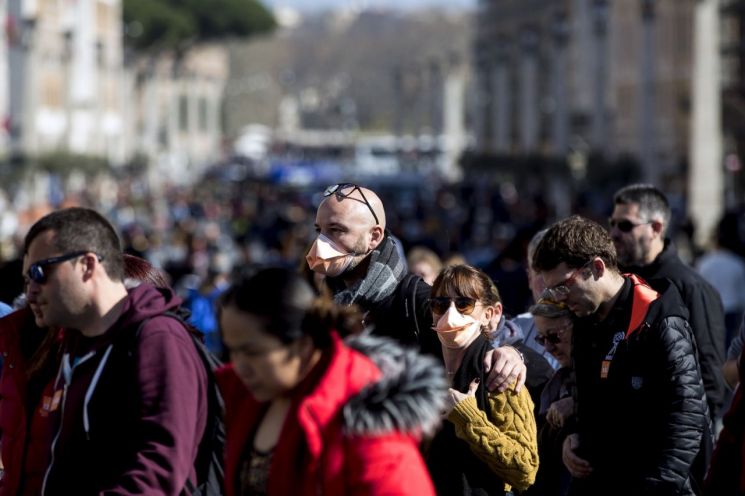
[Asia Economy Reporter Lim Cheol-young] '310,000 confirmed cases worldwide, 1 billion people urged to stay indoors'
Communities around the globe are choosing isolation due to the fear of the novel coronavirus infection (COVID-19). The number of countries banning entry from Korea surged from 100 last week to 130, with more than half of these countries implementing a blanket ban on all foreigners. This is not a situation unique to Korea. Entry restrictions that began targeting China have expanded to Japan, with over 200 countries now imposing entry bans on Japan. Similar patterns are unfolding for other high-risk countries such as Italy, Germany, Spain, and Iran.
According to the Ministry of Foreign Affairs, as of the 23rd, the number of countries imposing entry restrictions on travelers from Korea has increased to 175 (as of 6 p.m. on the 22nd), with 127 countries banning entry from all regions of Korea and 4 countries banning entry from certain parts of Korea.
On the other hand, countries implementing relatively less severe measures such as facility quarantine or strengthened screening are rapidly decreasing. This is a result of many countries upgrading their previously lower-level measures to full entry bans. In particular, the number of countries recommending strengthened screening and self-quarantine has sharply declined within a week. While over 50 countries were applying the lowest level of entry restrictions last week, this number has dropped to 27.
Nevertheless, the situation continues to worsen. According to Johns Hopkins University’s own tally, the global cumulative number of confirmed cases has surpassed 307,000, with cumulative deaths exceeding 13,000. Additionally, AFP reported that measures similar to the lockdown in Wuhan, China, have been implemented worldwide, with approximately 1 billion people being urged to stay indoors.
Consequently, the number of countries adopting blanket entry bans without exceptions is rapidly increasing, reaching 66 countries as of the 19th. Europe leads with 23 countries, followed by the Americas with 15 countries, and Africa with 11 countries. Considering that 11 countries were added in just one day, this trend is likely to accelerate. Vietnam banned entry of all foreigners starting on the 22nd, and the Philippines also stopped all visa issuance and visa-free entry on the same day, effectively blocking entry of all foreigners.
Major European countries under the Schengen Agreement and the United States are also intensifying their measures. The European Union (EU) is implementing a 30-day ban on entry of foreigners to prevent COVID-19, and the United States, which has banned entry from China, has issued a Level 4 travel advisory?the highest level?prohibiting travel to all countries for its citizens. These are the strictest movement restrictions being imposed consecutively.
The Korean government has begun special entry procedures for all foreigners entering the country and has issued a Level 1 travel advisory (caution) worldwide. Previously, a Level 2 travel advisory (refrain from travel) was issued for 36 European countries. The government plans to closely monitor the global COVID-19 situation and consider adjusting travel advisories accordingly.
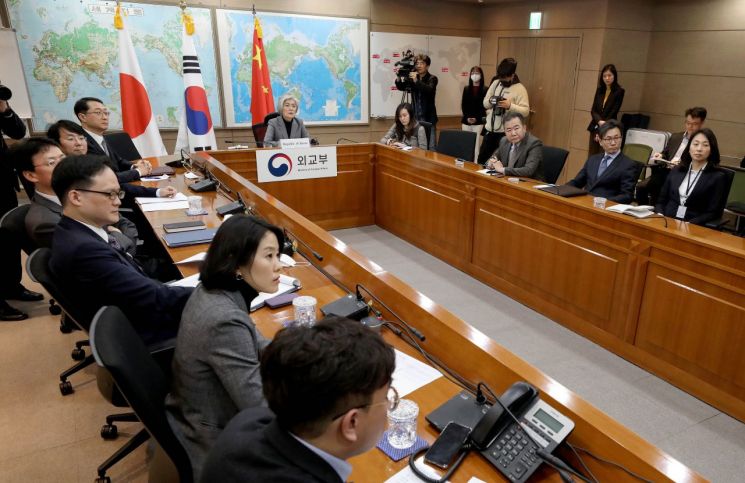
Although the fear of a pandemic is at its peak, diplomatic efforts to avoid the worst-case scenario are being pursued simultaneously. The Korean government is mobilizing all diplomatic channels to maintain at least minimal economic exchanges. The Ministry of Foreign Affairs is particularly continuing discussions with about 20 countries to create a model that allows exceptional entry for businesspeople carrying health certificates guaranteed by relevant ministries.
A senior official from the Ministry of Foreign Affairs explained, “Entry restrictions abroad are expanding regardless of nationality,” adding, “Regarding business difficulties, 30 cases related to 15 countries have been received, supporting a total of 1,625 people, and we will strive to gradually increase this number.” To this end, deputy foreign ministers from seven countries including Korea, the United States, Japan, Australia, New Zealand, Vietnam, and India held their first meeting on the 20th and agreed to hold weekly non-face-to-face meetings.
© The Asia Business Daily(www.asiae.co.kr). All rights reserved.


















