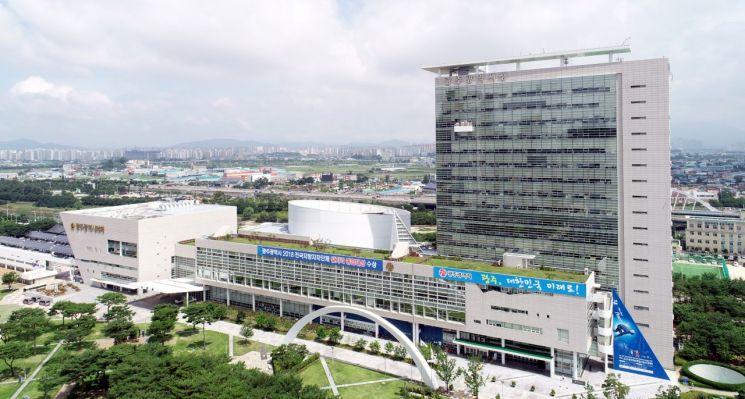
[Asia Economy Honam Reporting Headquarters Reporter Park Seon-gang] Gwangju Metropolitan City announced on the 11th that it will expand the closure of the city hall cafeteria from the 13th until the COVID-19 severe phase is lifted to help local neighborhood businesses struggling due to reduced consumption caused by COVID-19.
When COVID-19 cases emerged and local businesses contracted, the city proactively suspended the operation of the city hall cafeteria from the 12th to the 18th of last month and actively encouraged the use of nearby restaurants by city and district-affiliated organizations.
However, as COVID-19 has prolonged, the city decided once again to help revitalize surrounding businesses such as restaurants by expanding cafeteria closures.
Currently, the city hall cafeteria is closed twice a week, not serving dinner on Mondays and Wednesdays, but going forward, it will increase closures by also not serving lunch and dinner on Fridays.
The daily number of users of the city hall cafeteria exceeds 1,000, and if these people use external restaurants, it is expected to bring vitality to the depressed surrounding commercial areas.
Additionally, the city plans to use this expansion of cafeteria closures as an opportunity to encourage participation from other government offices and public institutions to help local merchants who are experiencing significant economic difficulties and to contribute to revitalizing the local economy.
The city will also strengthen hygiene management guidance for local restaurants and disinfection of commercial areas to actively prevent infections and alleviate citizens’ concerns about infection.
Lee Don-guk, Director of the General Affairs Division, said, “It is true that there are inconveniences and economic burdens for employees, but we could not ignore the pain of neighbors burning their hearts while looking at empty restaurants, so we joined in sharing the pain,” and added, “Gwangju City will strengthen policies such as using welfare points within the first quarter to revitalize local businesses, flexible lunch hours, and encouraging shopping at traditional markets.”
© The Asia Business Daily(www.asiae.co.kr). All rights reserved.

















