Food Delivery Startup DamaKan Secures Large-Scale Investment of 21.3 Billion KRW
Adopts AI Technology to Understand Customer Preferences
Introduced Shared Kitchens at Founding
Innovative Business Activities Create 'Catfish Effect'
AirAsia Ventures into In-flight Meal Business
[Asia Economy Kuala Lumpur Correspondent Hong Seong-ah] Malaysian food delivery startup DamaKan has raised $18 million (approximately 21.3 billion KRW) in investment, causing tension in the local distribution industry. This round of investment included Korea’s Woowa Brothers, well known for 'Baedal Minjok,' as well as Rakuten Capital, Whitestar Capital, JAFCO Asia, and PaTech Partners.
According to Business Times and others on the 10th (local time), DamaKan announced a strategy to focus more on understanding customer preferences by introducing artificial intelligence (AI) technology alongside securing large-scale investment. Founder Jonathan Waynes stated in an interview with the media, "We will increase efficiency through a quick service restaurant model and enhance customer satisfaction by offering high-quality menus."
DamaKan attracted attention from its founding in 2017. It was the first Malaysian startup to secure investment from the U.S. venture capital Y Combinator. Unlike other delivery companies focusing solely on delivery, DamaKan reduced operating costs by using shared kitchens and completed vertical integration by hiring chefs from restaurants to develop recipes. Additionally, it received positive evaluations for identifying customer preferences through a database and changing menus weekly. The menu includes not only Malaysian dishes but also Chinese, Indian, and even Korean and Japanese cuisines.
Eric Fortin, manager at Whitestar Capital, one of the investors, said, "DamaKan is adopting technology-based systems in line with the growing middle-class demand in Southeast Asia," and evaluated that "it has met the increasing demand for food delivery services in the region."
What captivated customers’ tastes was not only the diverse menu but also consideration for vegans and Muslims. Unlike existing delivery services, there is no minimum order amount. DamaKan’s business activities are stimulating other Malaysian companies, creating a catfish effect. Chunky Monkey, founded last year, has focused on the growing demand for healthy food by delivering traditional Malaysian dishes transformed into a low-carb, high-fat ketogenic diet. Among Chunky Monkey’s customers, 70% are Malaysians, while 30% are foreigners from overseas. This shows that their niche strategy has been effective.
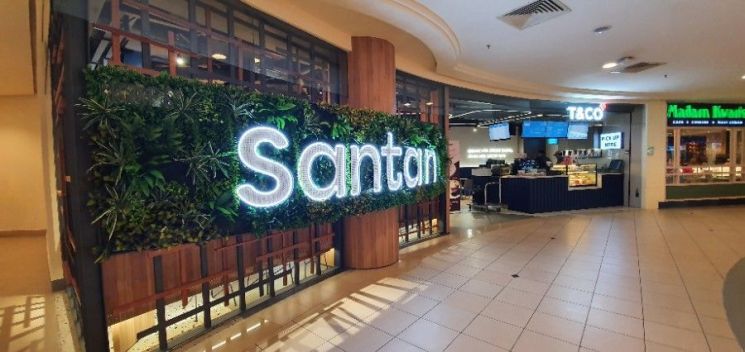
Low-cost airline AirAsia has also entered the business of strengthening popular in-flight meals. In December last year, it established a restaurant called Santan. Thirty percent of the food sold there is offered as in-flight meals, with the rest filled by newly developed menus. They sell through delivery apps such as GrabFood and Foodpanda. Santan offers not only Malaysian traditional food but also ASEAN dishes from China and Thailand. After establishing a branch in China, they plan to expand to ASEAN countries, London in the UK, and New York in the USA.
As food delivery companies grow, the Malaysian delivery market is expected to diversify, upscale, and segment according to consumer preferences. Malaysia’s young population is increasing, and income levels are rising rapidly among the middle class. The expansion of high-income groups interested in well-being and health, along with a young middle class with purchasing power, provides optimal conditions for the growth of the delivery market.
© The Asia Business Daily(www.asiae.co.kr). All rights reserved.

















