[Asia Economy Reporter Kim Hyung-min] Even if a 'comprehensive wage system' is specified in the wage agreement between workers and the company, the Supreme Court has ruled that if the actual overtime hours are separately determined and wages are paid by summing the related allowances accordingly, the comprehensive wage system cannot be recognized.
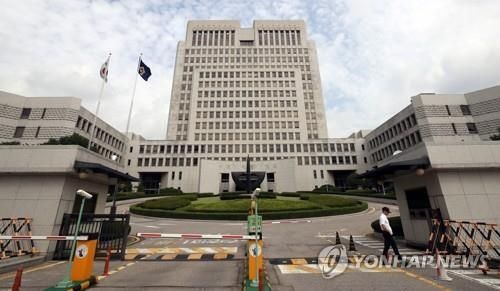
The Supreme Court's First Division (Presiding Justice Kwon Soon-il) announced on the 24th that it overturned the lower court ruling which dismissed the wage claim lawsuit filed by five bus drivers including Mr. A against transportation company B, and remanded the case to the Incheon District Court.
Transportation company B, where Mr. A and others work as bus drivers, specified the comprehensive wage system in the wage agreements from 2009 to 2012. The comprehensive wage system is a system where a fixed amount of overtime pay is paid or extended and night work allowances are included in the basic wage. However, the detailed wage statement separately specified the basic salary, overtime work, night work, etc. In the 2009-2010 wage agreements, it was agreed that under a two-shift system, out of 17 working hours per day, 5 hours would be considered overtime and 4 hours night work. In 2011-2012, a regulation was set that out of 19 working hours per day, 3 hours would be counted as overtime.
Mr. A and others operated five fixed routes per day, and since the total working hours per day were 17 to 19 hours, they filed a lawsuit requesting company B to pay additional statutory allowances beyond the basic salary based on this detailed wage statement. Company B opposed, arguing that since the comprehensive wage system with fixed allowance payments was mutually agreed upon, additional allowances could not be paid.
The first trial court ruled in favor of Mr. A and others, stating, "Wages are clearly divided into basic salary and various allowances, and the monthly remuneration is the sum of the basic salary and various allowances," and "It cannot be regarded as a comprehensive wage system." However, the second trial court accepted company B's claim, considering that the wage agreement clearly stipulated the terms and that working hours varied individually depending on each driver's dispatch time and real-time traffic conditions, concluding that "there was explicit agreement on the comprehensive wage system."
The Supreme Court found the second trial court's judgment to be incorrect. The court stated, "Even if extended, night, and holiday work are naturally expected due to the nature of the work, if allowances are paid separately as detailed items apart from the basic salary, it does not correspond to a comprehensive wage system," and pointed out, "Company B paid wages to the plaintiffs according to the detailed items listed on the pay statement, and the indication that 'the comprehensive wage method applies' does not align with the actual wage payment practice."
© The Asia Business Daily(www.asiae.co.kr). All rights reserved.
![User Who Sold Erroneously Deposited Bitcoins to Repay Debt and Fund Entertainment... What Did the Supreme Court Decide in 2021? [Legal Issue Check]](https://cwcontent.asiae.co.kr/asiaresize/183/2026020910431234020_1770601391.png)















