Application for Designation as a Cultural City in the First Half of This Year
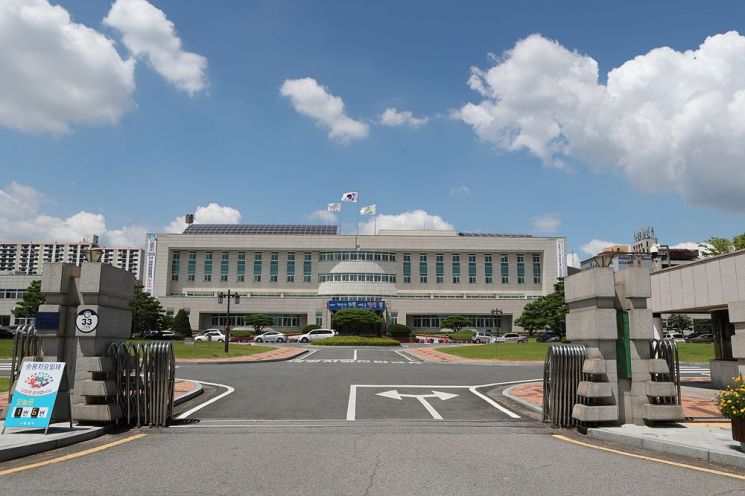
[Asia Economy Honam Reporting Headquarters Reporter Kim Chunsu] As Gwangyang City in Jeonnam is making every effort to prepare for the application for designation as a 3rd cultural city, designated cultural cities will receive up to 10 billion KRW in national funding over the next five years to promote cultural city development projects.
According to Gwangyang City on the 21st, the Ministry of Culture, Sports and Tourism plans to designate about 30 cultural cities by 2022 in accordance with the Regional Culture Promotion Act.
Last year, seven cities were designated as the 1st cultural cities, and the 2nd cultural cities will be designated by the end of this year after review by the Cultural City Designation Deliberation Committee from among the 10 cities selected as preliminary cultural city areas last year.
The 3rd cultural cities will select preliminary areas by the end of this year, undergo a one-year preliminary project, and be finally designated by the end of 2021.
To apply for designation as a 3rd cultural city, the city has been conducting a cultural specialized area development project centered on the Gwangyang City Cultural City Project Group (hereinafter referred to as the Project Group) since 2017, setting the Gwangyang-eup area as a cultural growth district in accordance with the cultural city designation review standards and guidelines.
In particular, it is making comprehensive efforts to form Gwangyang City's cultural infrastructure, including citizen cultural workforce training, citizen cultural planning support, cultural place regeneration, discovery of urban resources and values, and establishment of a professional cultural management system.
Through this, the city has established a promotion council composed of diverse citizens by region and field, strengthened the capabilities of cultural planning personnel (35 people) and citizen cultural groups (about 20 teams), supported citizen cultural planning projects (about 40 cases), created cultural spaces (4 places) within Gwangyang-eup and the Jeong Chaebong Literary Theme Road, the Lee Kyungmo Film Archive (50,000 pieces), and produced six types of fairy tale books based on stories of Gwangyang citizens, achieving infrastructure development across humanware, software, and hardware fields.
At the end of last year, through a cultural city development plan establishment service, based on the achievements so far, the cultural city vision of “Gwangyang, a cultural exchange city nurtured together by the hands of citizens” was derived, and preparations for applying as a preliminary cultural city in the first half of this year, including cultural impact assessment and related ordinance enactment, are being actively carried out.
To this end, the target area for the cultural specialized area development project has been expanded from the Gwangyang-eup area to the entire Gwangyang City, and the number of members of the cultural city development project promotion council has been increased from 30 to 40 to collect and participate in more diverse citizen opinions.
From March this year, new projects such as the Cultural City Lab, visiting cultural city tables, the tentatively named Gwangyang Art Warehouse citizen participation program, and the cultural space cultural salon will be promoted.
In addition, to strengthen regional cooperation systems and network construction, pilot projects linking departments such as Urban Regeneration and Tourism are being operated, and pilot projects linking steelworks and ports are being planned. The city is also actively participating in forming consultative bodies and exchange collaboration activities with intermediate support organizations in Gwangyang City, such as the Cultural City Project Group and social enterprises.
Projects such as cultural planning workforce training, citizen support programs, cultural resource archives and content development, operation of the Life Culture Center and four cultural spaces, and citizen programs and art auctions related to the tentatively named Gwangyang Art Warehouse, which have been steadily promoted with consistent interest and participation every year, will continue unchanged this year.
The Project Group operates an official website and various SNS promotional channels to provide citizens with project information and progress, and plans to expand citizen-oriented communication tools such as opening open chat rooms and distributing card news.
Kim Bokdeok, head of the Culture and Arts Division, said, “Through the creation of a cultural city, we expect the cultural quality of life of local residents to improve, and in the long term, to spread to cultural startups and the tourism industry, revitalizing the local economy and strengthening urban competitiveness.”
© The Asia Business Daily(www.asiae.co.kr). All rights reserved.

















