Tenant Companies Express Difficulties
Some Say "We Might as Well Vacate"
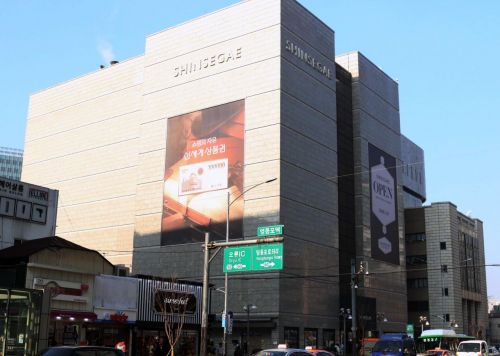
[Asia Economy Reporter Lim Hye-seon] Amid the domestic consumption freeze caused by the COVID-19 pandemic, some major department stores are stirring controversy by pushing for increases in tenant commission fees. While the department stores explained that the fees have been slightly adjusted with each annual store reorganization, tenant companies argue that "raising commission fees during the hardships caused by the COVID-19 situation is excessive."
According to the distribution industry on the 21st, domestic department stores recently notified contemporary (semi-luxury) brand fashion companies of a 2-4% increase in tenant commission fees. These brands include Zadig & Voltaire, Theory, Raum, Jill Stuart, Club Monaco, Kuho, Lynn, Missha, Lanvin Collection, and Time, which are operated by Hansome, Samsung C&T Fashion Division, LF, and others. The existing commission fees for these brands range from 28% to 34%. Although lower than five years ago, the tenant commission fees, which account for about 30% of total sales, remain a burden for fashion companies.
A fashion industry insider lamented, "Sales have been cut in half since the COVID-19 outbreak," adding, "It might be acceptable during a market boom, but unilaterally notifying an increase in commission fees to boost department store profits during tough times is like telling us to die."
In response, a department store official said, "Discussions began before the COVID-19 issue," and added, "Commission rates are determined through mutual agreement, and there is no unilateral notification of increases."
The industry consensus is that department stores chose to adjust tenant commission fees as a measure to improve profitability. A fashion industry insider said, "Large retailers are aiming for structural reform, intensifying profit competition among department stores," and added, "While we understand this, given the current struggles across the entire distribution industry, cooperative solutions must be devised."
Because the commission fee increase targets the contemporary zone, some voices say, "They are tightening the noose so that we can neither do this nor that." Unlike other women's casual brands, contemporary brands pursue a premium strategy and mainly sell through department stores. Due to their high prices, consumers rarely purchase these brands online just by looking at photos. This means that contemporary brands rely on department store outlets. Some criticize that certain department stores have taken advantage of this brand situation by first raising fees for contemporary brands.
Given these circumstances, some companies are saying, "We might as well vacate." As the online shopping market grows larger than the offline market, the 'power imbalance' between department stores and companies has weakened, so there is no need to cling to department stores. According to Statistics Korea, the transaction amount for online shopping malls selling clothing, shoes, bags, and fashion accessories increased from about 7 trillion won in 2014 to about 22 trillion won last year. While the offline market has stagnated for years, the online shopping mall market has grown more than threefold. An executive from a fashion company said, "Offline stores like department stores are no longer attractive places, so there is no need to maintain stores submissively," adding, "Selling online without commission fees is more profitable."
© The Asia Business Daily(www.asiae.co.kr). All rights reserved.

















