Expansion of Eco-Friendly Energy Policies Including Solar Mini Power Plants and Energy Self-Sufficient Villages
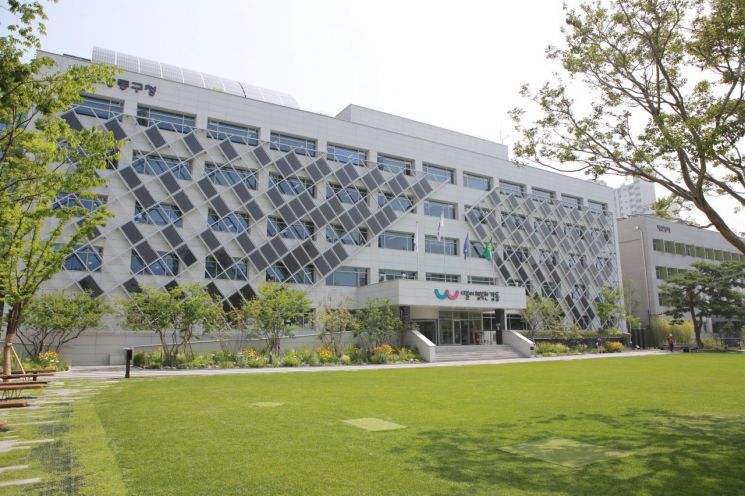
[Asia Economy Reporter Park Jong-il] Gangdong-gu (District Mayor Lee Jeong-hoon) is proactively implementing policies to increase the overall energy self-sufficiency rate of the region and reduce greenhouse gases in response to climate change.
This is being done through the establishment of the ‘Green Energy Division,’ the only dedicated energy policy department among Seoul’s autonomous districts, strengthening public-private cooperation by expanding solar mini power plants and energy self-sufficient villages, and solid operation of the Energy Center.
Gangdong-gu, which has been pursuing a sustainable climate environment city, renamed its existing Cultural Life Bureau to the ‘Culture and Environment Bureau’ in January this year and established the ‘Green Energy Division’ within the bureau as a control tower dedicated to renewable energy policies.
Starting with this organizational restructuring, renewable energy policies are gaining momentum.
First, Gangdong-gu plans to expand the distribution of eco-friendly solar power plants called ‘solar mini power plants’ in connection with Seoul city projects. The ‘veranda type,’ which can be easily installed in small spaces such as apartment balconies or single-family house rooftops, will be distributed to 760 households, and the ‘house/building type’ to 20 households.
With a budget of 50 million KRW, separate from the city subsidy, the veranda type will receive 50,000 KRW per household, and the house/building type will receive 600,000 KRW in installation cost support. For example, if a 300W solar device is installed, a total of 410,000 KRW can be supported, including 50,000 KRW from the district subsidy and 360,000 KRW from the city subsidy, and only the remaining cost needs to be borne by the applicant.
Installing a solar mini power plant produces an average of 29kW of electricity per household per month, saving about 5,000 KRW in electricity bills. Applications can be made from March via the Seoul Sunny Maru website (http://www.sunnyseoul.com) or the Solar Support Center call center (☎1566-0494), and recruitment is on a first-come, first-served basis.
Additionally, the ‘Energy Center,’ which will serve as a communication channel for energy policies with residents, is being operated effectively. The Energy Centers are established in four areas for easy access by residents: Cheonho 1-dong, Amsa 1-dong, Sangil-dong community centers, and the district office (Seongnae-dong) Green Energy Division. Each center has energy counselors on site who provide consultations and diagnostic consulting related to energy, such as the installation of solar mini power plants, and promote various energy policies. Resident education and energy self-sufficient village exploration programs will also be conducted.
The number of ‘Energy Self-Sufficient Villages,’ which have received excellent evaluations both internally and externally through residents’ voluntary participation, will increase from the existing 39 locations (including preliminary energy self-sufficient villages) to 41 locations.
Energy Self-Sufficient Villages are community villages that reduce energy consumption while increasing energy efficiency and production to raise energy self-sufficiency. They are selected through Seoul city competitions, and the district supports education and eco-mileage activities to help villages be selected. A representative success case, the Sipjaseong Energy Self-Sufficient Village, has an energy self-sufficiency rate of 46%, and the Olympic Park Hanyang Sujain Apartments, recognized for active activities such as energy concerts and exhibitions, won the Minister of Environment Award, the highest prize, at last year’s ‘Low Carbon Life Practice National Competition.’
Furthermore, the district plans to raise residents’ awareness of the importance of renewable energy through experiential education such as the eco-friendly energy experience space ‘Energy Maru’ (Gangil-dong 736, total area 31,464㎡) and the ‘Eco-Friendly Energy Tour’ visiting local energy facilities.
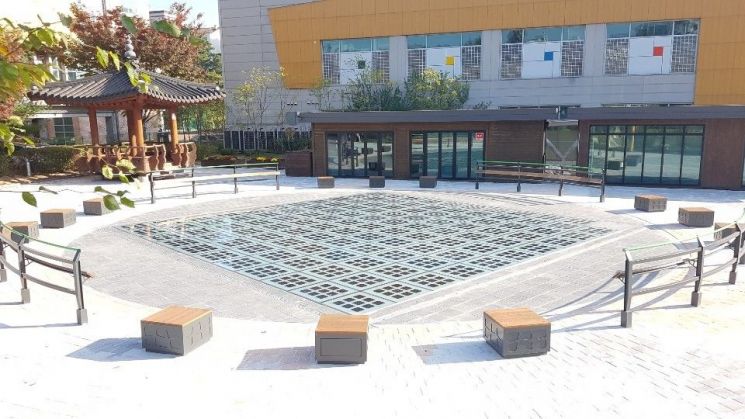 Floor solar power generation facility installed at the eco-friendly energy experience education center 'Energy Maru'
Lee Jeong-hoon, Mayor of Gangdong-gu, said, “To respond to climate change, which is directly linked to the survival of all of us, not only public efforts but also the active will and participation of residents are necessary. We will build a solid public-private cooperation system and promote energy policies that residents can feel, creating an eco-friendly energy self-sufficient city, Gangdong-gu.”
© The Asia Business Daily(www.asiae.co.kr). All rights reserved.


















