Large Collection of Yen and Others at Scrapyards and Fountains
Frequent Visits by Chinese Intermediaries Lead to Measures to Prevent the Spread of Novel Coronavirus
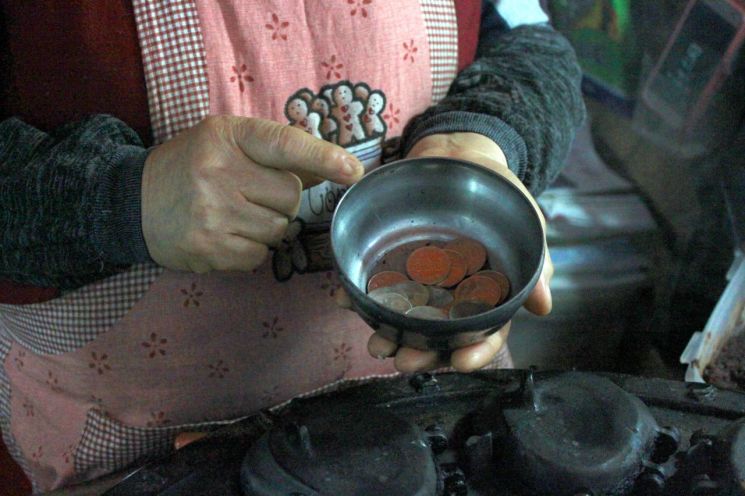
[Asia Economy Reporter Kim Eunbyeol] The Bank of Korea has decided to suspend currency exchanges involving money coming from China. This measure was taken as the number of suspected and confirmed cases of the novel coronavirus infection (Wuhan pneumonia) increased. Recently, in China, there has been a rise in cases where intermediaries collect large amounts of Korean won gathered from across the country, including scrapyards and tourist attractions, and exchange them in Korea at once. The Bank of Korea has stated that it will not process such exchanges until the spread of the novel coronavirus subsides.
On the 30th, an official from the Bank of Korea’s issuance department said, "Due to the spread of the novel coronavirus, we have decided to temporarily suspend the exchange of coins and banknotes brought in from overseas." Although the official mentioned currency coming from overseas, this measure is effectively targeting coins and banknotes originating from China.
The Bank of Korea operates currency exchange counters for the general public at its issuance department and regional headquarters. These counters are open to allow people to exchange new bills ahead of holidays or for companies that handle large amounts of coins to exchange them. However, it has been reported that recently, Chinese intermediaries have frequently visited these counters to exchange large volumes of currency.
The most common case involves collecting damaged coins from used cars exported to China or from the scrapping process. Coins left inside cars just before they are scrapped or sold as used cars are collected and brought to Korea. These coins, gathered from all over China, are sorted into Korean won, Japanese yen, and other currencies, after which the responsible agents travel to each country to exchange them at central banks.
There have also been many cases of collecting large amounts of coins from fountains or ponds and bringing them to the Bank of Korea. In tourist spots such as Hong Kong and various locations in China, tourists often throw coins into fountains or ponds as a wish for good luck, and these coins are collected and exchanged.
Regarding this, the Bank of Korea has not separately tallied the exact amount, but it has been monitoring this area carefully. A Bank of Korea official said, "We implemented this measure because we believe it is necessary to protect the employees working at the counters due to the spread of the novel coronavirus." Masks have been provided to the exchange counter staff.
As the novel coronavirus spreads, general commercial banks have also issued guidelines requiring branch employees to wear masks while working. However, for commercial banks, it is practically difficult to conduct customer-facing tasks while wearing masks.
Meanwhile, the Bank of Korea has also prohibited external visitors from entering its library. Normally, outsiders can enter the Bank of Korea to access related materials, but this has been restricted. The visitation ban has been in effect since the 29th and will continue until the novel coronavirus situation is resolved.
© The Asia Business Daily(www.asiae.co.kr). All rights reserved.

















