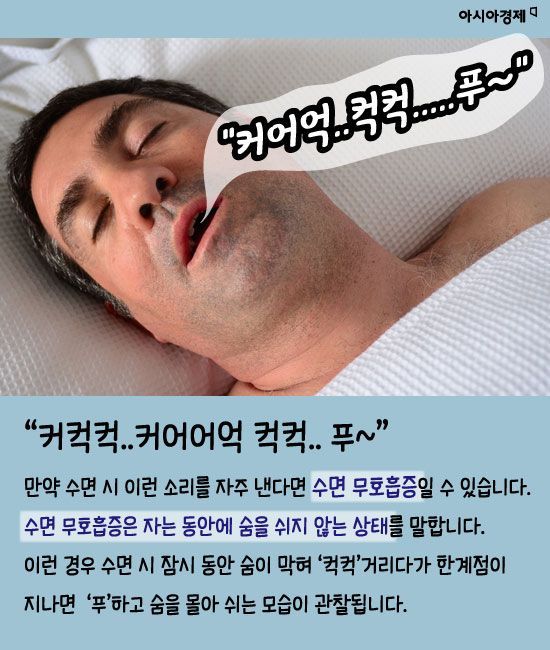
Representative symptoms that disrupt sleep include sleep apnea and restless legs syndrome. Sleep apnea is often not recognized by the individual, but it may be suspected if one does not feel refreshed upon waking, experiences dry mouth or throat, or suffers from severe post-lunch drowsiness. Restless legs syndrome is characterized by tingling or aching sensations in the legs when lying down to sleep, caused by dysfunction of the neurotransmitter dopamine in the brain. Questions and answers regarding sleep and insomnia are summarized below.
Q. Is it dangerous to take sleeping pills out of necessity?
A. Sleeping pills are not a treatment for insomnia but rather aids that forcibly induce sleep. Although effects vary depending on the ingredients, prolonged use increases the risk of dependence and tolerance, leading to higher required doses and shorter duration of effectiveness, which may cause side effects. If taken long-term, consultation with a specialist is necessary.
Q. Alcohol helps me fall asleep better; is it worse than sleeping pills?
A. Alcohol may initially help, but it later disrupts sleep and lowers sleep quality. The intoxicated brain does not recognize this. Continuous alcohol consumption damages the brain and can eventually lead to alcohol-related dementia.
Q. I do not snore, but a polysomnography test showed severe apnea causing insomnia.
A. Sleep-disordered breathing refers to repeated upper airway obstruction during sleep, causing a drop in blood oxygen saturation and triggering the brain to wake frequently. It is a leading cause of insomnia, especially in middle-aged and older adults. The patient is often unaware of it. Repeated breathing disturbances during sleep increase stress hormones, which act as toxins on vascular endothelial cells. This can cause arrhythmia, angina, heart failure, as well as cerebrovascular diseases, dementia, hypertension, and diabetes.
※Source: Professors Kim Seok-hyun and Noh Seong-won, Department of Psychiatry, Hanyang University Hospital; Professor Joo Eun-yeon, Department of Neurology, Samsung Seoul Hospital; Professors Jung Seok-hoon and Lee Sang-am, Sleep Disorder Clinic, Seoul Asan Hospital
© The Asia Business Daily(www.asiae.co.kr). All rights reserved.
!["The Woman Who Threw Herself into the Water Clutching a Stolen Dior Bag"...A Grotesque Success Story That Shakes the Korean Psyche [Slate]](https://cwcontent.asiae.co.kr/asiaresize/183/2026021902243444107_1771435474.jpg)















