Short-Term Intensive Oatmeal Intake Study
Cholesterol Reduction Maintained After Six-Week Follow-Up
"Short-Term Focus Can Transform Metabolic Health"
A study has found that eating oatmeal for just two days can significantly reduce cholesterol levels.
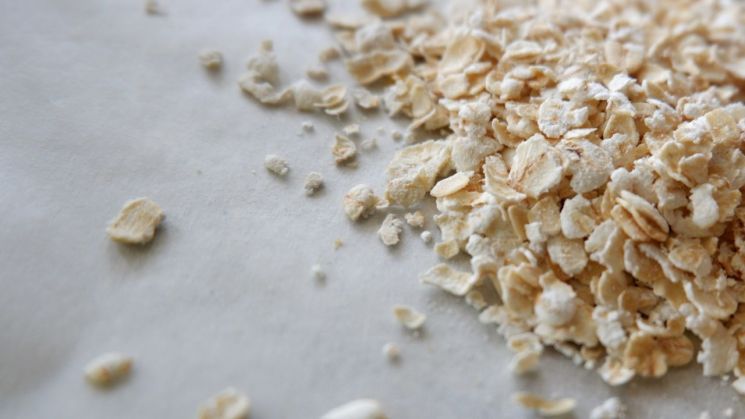 A study has shown that just two days of eating oatmeal noticeably reduced cholesterol levels. Photo by Pixabay
Researchers at the University of Bonn in Germany reported that patients with metabolic syndrome who followed an oatmeal-based diet for only 48 hours saw their levels of 'bad cholesterol' (LDL) decrease by an average of about 10%. The fact that such noticeable results appeared after just two days of dietary intervention is drawing attention.
The research team recruited 68 adults with metabolic syndrome and divided them into two groups. One group consumed 300g of rolled oats per day, divided into three meals, for two days, with their daily calorie intake restricted to approximately 1,100-1,200 kcal. The control group followed the same calorie restriction but without oatmeal.
Final analysis showed that the oatmeal group experienced an average reduction of 16.3 mg/dL in LDL cholesterol compared to the control group, and total cholesterol decreased by 15.6 mg/dL. In percentage terms, LDL cholesterol dropped by about 10%, and total cholesterol by 8%. Furthermore, a follow-up conducted six weeks after the diet ended indicated that cholesterol levels tended to remain below baseline, suggesting the potential for lasting effects from short-term, intensive oatmeal consumption.
Blood analyses also revealed a significant increase in the concentrations of ferulic acid and dihydroferulic acid, both antioxidants. The researchers interpreted these results as evidence that short-term oatmeal consumption goes beyond simple fiber intake, directly impacting metabolic processes by altering the gut microbiome environment.
'Short-Term Intensive Intake' Is the Key
In contrast, the group that consumed a moderate 80g of oatmeal daily for six weeks did not show significant changes in cholesterol levels, indicating that short-term, high-dose intake is more effective for metabolic improvement. Professor Marie-Christine Simon, who led the study, stated, "Although the effect is not at the level of modern medications, we confirmed that LDL levels can be significantly lowered with just 48 hours of this diet," adding, "The significance lies in the fact that a short-term intensive intervention can induce long-term change."
The research team emphasized that changes in the gut microbiome played a key role. Analysis of blood and stool samples from participants showed that oatmeal intake increased the abundance of certain beneficial bacteria, which in turn produced antioxidants such as ferulic acid. These substances then positively influenced cholesterol metabolism via the bloodstream.
This study is also noteworthy for re-examining, through modern science, the oatmeal diet originally applied to diabetes patients by German physician Carl von Noorden in the early 20th century. Professor Simon stated, "This experiment demonstrates that a short-term intensive diet can rapidly alter the gut environment and cholesterol levels," and added, "We plan to conduct further research to determine whether repeated short-term oatmeal diets can provide long-term preventive effects."
© The Asia Business Daily(www.asiae.co.kr). All rights reserved.












