Blending Destroys Fiber Structure, Speeds Up Sugar Absorption
Managing Blood Sugar Starts with Eating Whole Fruits in Moderation
About 30g of Sugar in a 250ml Fruit Smoothie
Comparable to the Sugar Content of the Same Amount of Soda (Ab
According to a recent survey, about one in six people in Korea consumes excessive amounts of sugar. Amid these findings, experts are pointing out that even fruits, which are commonly considered healthy foods, can be detrimental to blood sugar management depending on how they are consumed.
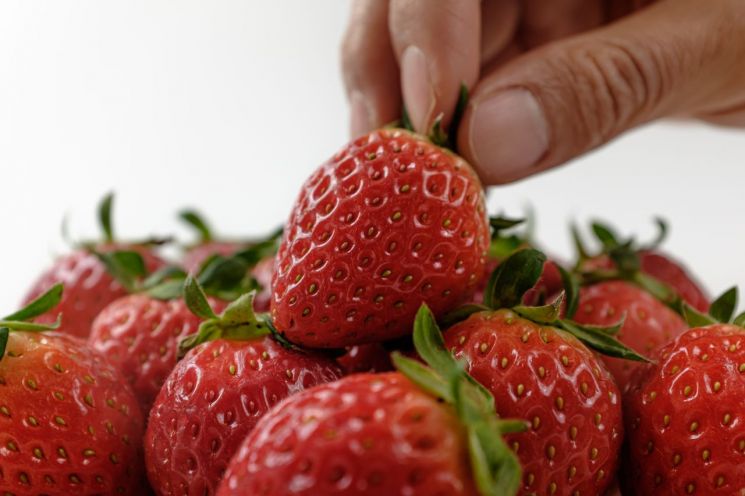 The top source of total sugar intake was beverages and teas, followed by fruits, dairy desserts, and bread and snacks. Those who excessively consumed sugar ate more than three times as many beverages and fruits compared to those who did not. Getty Images
On February 9, the Korea Disease Control and Prevention Agency released an analysis of sugar intake based on the National Health and Nutrition Examination Survey. According to the data, the average total sugar intake among Koreans increased from 58.7g in 2020 to 59.8g in 2023. While the figure remained in the 58g range from 2020 to 2022, it rose to the 59g range in 2023. The proportion of excessive sugar consumers, defined as those whose energy intake from sugar exceeds 20% of their total energy intake, was 16.9% in 2023.
The top source of total sugar intake was beverages and teas, followed by fruits, dairy desserts, and bread and snacks. Those who excessively consumed sugar ate more than three times as many beverages and fruits compared to those who did not.
Specifically, excessive sugar consumers consumed 33.5g of fruits, whereas those who did not consume excessive sugar had an average fruit intake of 8.64g. As for beverages and teas, those with excessive sugar intake consumed 30.4g, while the others consumed 10.94g.

Natural sugars in fruits are known to be absorbed more slowly because they are combined with dietary fiber. However, experts point out that when fruits are consumed in the form of juice or smoothies, the structure of this dietary fiber is broken down, which can lead to a rapid rise in blood sugar. Additionally, skipping the process of chewing can shorten the duration of satiety and may lead to further intake.
In fact, some commercially available smoothies contain close to 30g of sugar per 250ml serving. This is similar to the sugar content in the same amount of carbonated beverages (about 26-27g). Large-size products of 400ml or more may contain close to or even exceed 50g of sugar.
The World Health Organization (WHO) recommends limiting the daily intake of free sugars for adults to less than 10% of total energy (about 50g), and for additional health benefits, to less than 5% (about 25g). In other words, the sugar content of a single large smoothie is close to the recommended daily upper limit.
Research has also demonstrated this difference. According to an 18-year follow-up study by a Harvard University team published in the British Medical Journal (BMJ) in 2013, groups that consumed fruit juice three or more times a week had a 21% higher risk of developing type 2 diabetes compared to those who did not. In contrast, consuming whole fruits such as blueberries, grapes, and apples was significantly associated with a reduced risk of diabetes.
Experts advise that "it is preferable to eat moderate amounts of whole fruits slowly by chewing, rather than drinking concentrated fruit beverages," and "reducing the habit of consuming blended fruits is fundamental to blood sugar management."
© The Asia Business Daily(www.asiae.co.kr). All rights reserved.













