Proactive Patrols in 17 "Hot Spots" and Drone Deployment
Linking High-Risk Groups with Suspected Mental Health Issues or Intoxication to Treatment
The police have released an analysis showing that knife-related crimes occurring in public places in downtown Seoul are clustered in specific times and locations. Based on this pattern, they are implementing preventive measures that move up the timing of patrols and interventions.
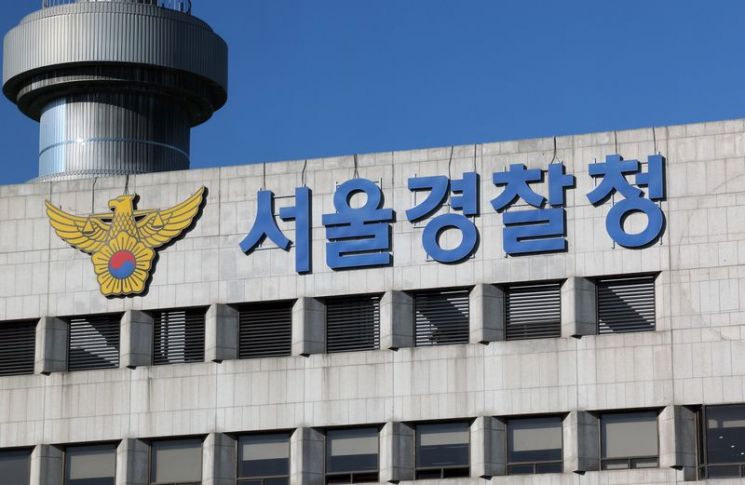
The Seoul Metropolitan Police Agency announced on the 26th that its analysis of 307 cases of knife possession and use in public places reported to the 112 emergency hotline last year found that crimes were concentrated not during late-night hours on weekends, but rather during ordinary weekday hours. Monday through Wednesday accounted for 48.9% of all cases, with Tuesday having the highest number of incidents. In terms of time of day, 45.0% occurred between 4 p.m. and 10 p.m., overlapping with commuting and returning-home hours. This pattern differs from the common perception that serious crimes are concentrated late at night.
As for locations, only 6.2% of incidents took place in entertainment districts, while residential areas (40.4%) and commercial areas (25.4%) in everyday living zones accounted for a large share. Areas around subway stations also showed a higher proportion than entertainment districts. The average age of offenders was 49.7, and those in their 50s or older made up more than half. In more than half of the cases, the offenders were presumed to be in a state of "suspected mental health issues" or "intoxication" at the time of the crime. Everyday conflicts such as noise between floors and parking disputes were cited as major causes.
Through spatial correlation analysis, the police identified 17 zones as "hot spots (core areas)." In high-risk areas such as around Yeongdeungpo and Guro, mobile patrol units will be intensively deployed, while the remaining zones will be flexibly managed in coordination with local police. Residential areas and station vicinities will be covered by foot patrols, while main roads will be patrolled by vehicles in parallel.
Starting in April, patrol vehicles equipped with drones will be deployed on a trial basis in some areas. The plan is to use functions such as thermal imaging and object recognition to detect threat situations early, such as crowd congestion or passersby who have collapsed. The aim is to shorten on-site awareness time through technology.
In light of the large number of cases associated with "suspected mental health issues" or intoxication, the police also plan to link the mental health emergency response system with public hospital beds. They judge that if on-site measures are not followed by counseling and treatment, the same problems are likely to recur.
Park Jeongbo, Commissioner of the Seoul Metropolitan Police Agency, said, "Knife-related crimes cause great shock to everyday life in local communities," adding, "We will ensure the everyday safety of Seoul citizens through a multifaceted approach."
© The Asia Business Daily(www.asiae.co.kr). All rights reserved.












