Full-Scale Traditional Market Revitalization Kicks Off in 2026
Munsan Jayu Market Linked with DMZ Tourism
Experiential Events Operated at Gwangtan Auction Market
Paju City in Gyeonggi Province is promoting specialized projects that combine tourism and hands-on experiences to strengthen the competitiveness of local traditional markets.
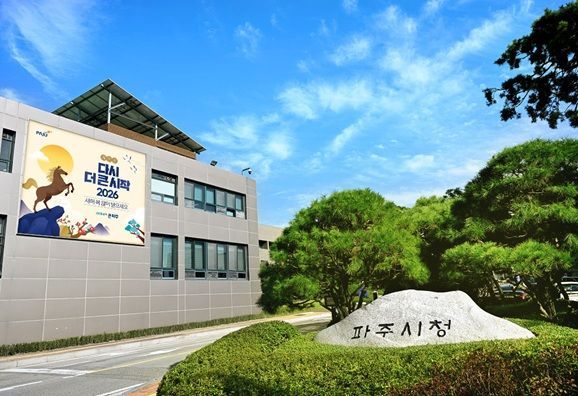
The city plans to operate a variety of programs in 2026 centered on Munsan Jayu Market and Gwangtan Auction Market, in order to enhance the enjoyment of visiting traditional markets and naturally lead that experience to consumer spending.
First, the Munsan Jayu Market DMZ Regional Tourism Project is a stay-type program that combines the use of traditional markets with tourism in the Demilitarized Zone (DMZ). For customers who purchase goods worth 15,000 won or more at Munsan Jayu Market, the city will operate a tour bus that follows a route including the 3rd Tunnel, Dora Observatory, and Tongilchon Village.
The project will run twice a week, every Wednesday and Saturday, from March to November, with cultural tour guides accompanying the visitors to enhance their understanding of and satisfaction with the tour. Through this, the city expects to increase the inflow of market visitors and to stimulate consumption in connection with local tourism.
In addition, the Gwangtan Auction Market Development Project is an experiential traditional market program that utilizes the unique format of auctions. Organized by the Gwangtan Auction Market Merchants Association, auction events will be held every Saturday from April to October at the Gwangtan Public Parking Lot. Performances and other attractions and entertainment will be offered together to draw visitors' interest.
The auction items will mainly consist of agricultural products from Paju and goods sold within the market. By having the merchants association directly participate in preparing and promoting the items, the project will enliven the on-site atmosphere and increase the level of participation among local merchants.
Through these projects, Paju City aims to transform traditional markets from simple grocery shopping venues into everyday cultural spaces where people can see and enjoy various attractions. In particular, the city plans to improve perceptions of traditional markets by enhancing the quality of the programs so that tourists and local residents naturally visit and stay in the markets.
Lee Igoo, head of the Division of People’s Livelihood Economy, said, "We aim to turn traditional markets into spaces that citizens and visitors can enjoy together by adding tourism and experiential elements to their unique charm," adding, "We will continue to identify and promote traditional market revitalization projects that highlight the distinct characteristics of the local area."
© The Asia Business Daily(www.asiae.co.kr). All rights reserved.












