Key Sources Showing Early Production and Revision Process
Hyeondeungsa Buddhist Painting, Imsil Jingugsa Temple Site Buddha Statues Also Designated as Treasures
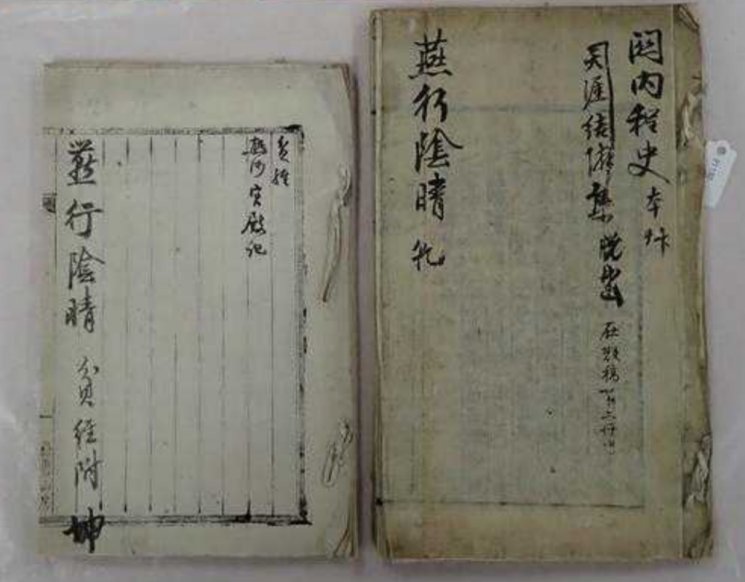
The travelogue on Qing China written by late Joseon scholar Park Jiwon (1737-1805) will now be managed as a Treasure.
The Cultural Heritage Administration announced on the 26th that it has designated as Treasures "All draft manuscripts of Park Jiwon's Yeolha Ilgi," "Amitabha Tathagata Preaching Painting at Hyeondeungsa, Gapyeong," "Imsil Jingusaji Stone Seated Vairocana Buddha," and "Yangsan Sinheungsa Stone Seated Triad of Sakyamuni Buddha and Its Enshrined Relics."
"All draft manuscripts of Park Jiwon's Yeolha Ilgi" refers to 4 types in 8 volumes, corresponding to Park Jiwon's own handwritten draft manuscripts, out of 10 types in 20 volumes held by the Seokju Seon Memorial Museum at Dankook University. These include the two volumes Geon and Gon of "Yeonhaeng Eumcheong," which contain terms related to Western Learning that do not appear in the finalized version; "Yeonhaeng Eumcheongnok" and "Yeonhaeng Eumcheonggi," which preserve the form of early draft manuscripts; "Yeolha Ilgi" (Won, Hyeong, I, Jeong), which is arranged in sections; and "Yeolha Piseorok," which contains a large amount of content absent from the finalized version.
The Cultural Heritage Administration assessed the collection as "core materials that show the early production state of 'Yeolha Ilgi' and the processes of revision and rewriting," adding that "as a Silhak (Practical Learning) text of the late Joseon period, it exerted an enormous influence on society."
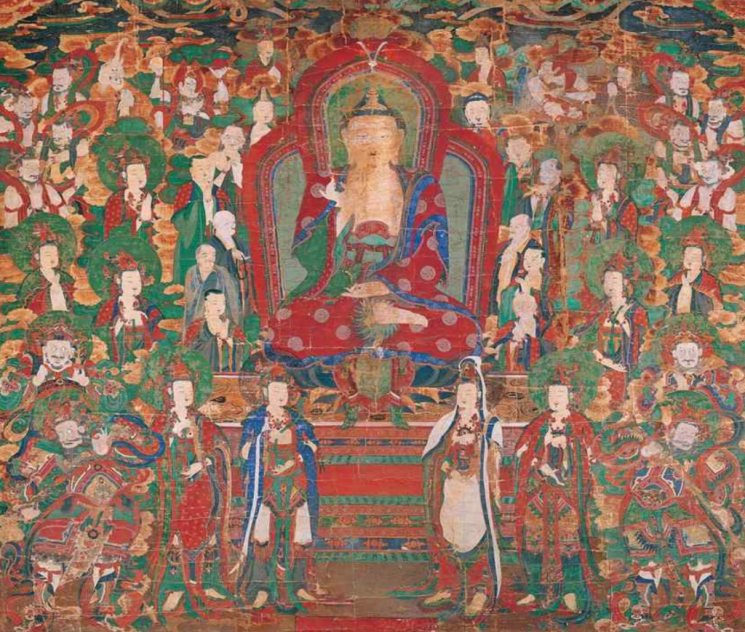
"Amitabha Tathagata Preaching Painting at Hyeondeungsa, Gapyeong" is a Buddhist painting produced in the 35th year of King Yeongjo (1759) by the leading monk-painter Ogwan and others. On a silk ground, more than 40 deities, including Amitabha Tathagata at the center, arhats, and the Eight Vajra Guardians, are arranged in a well-organized composition. Among Amitabha preaching paintings in the Seoul and Gyeonggi regions, it is the earliest in date.
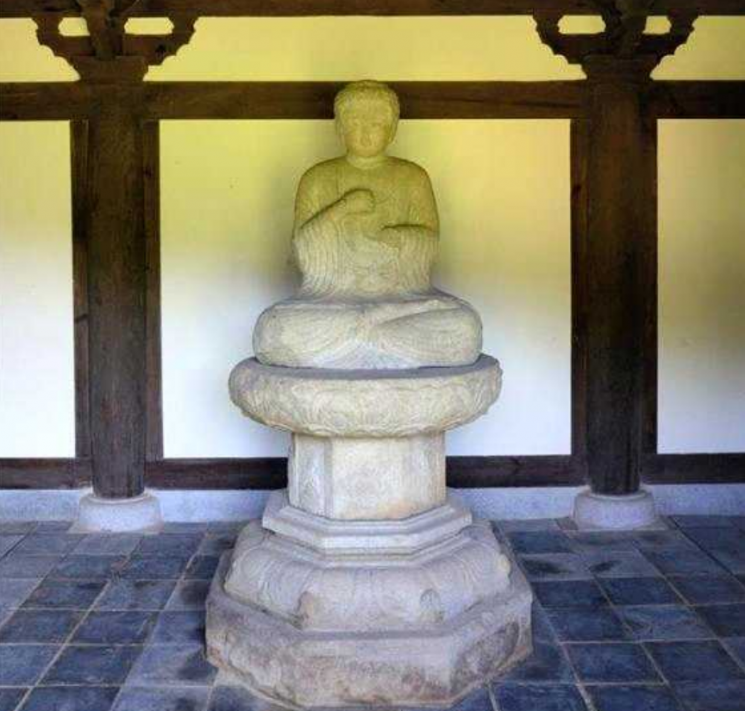
"Imsil Jingusaji Stone Seated Vairocana Buddha" is a Buddhist statue believed to have been produced in the late 9th century, during the late Unified Silla period. Although the halo and parts of the wrists are missing, the Buddha body and pedestal remain almost intact. The Cultural Heritage Administration explained that it is "a tangible resource that shows how Buddhist art of Unified Silla spread to local regions."
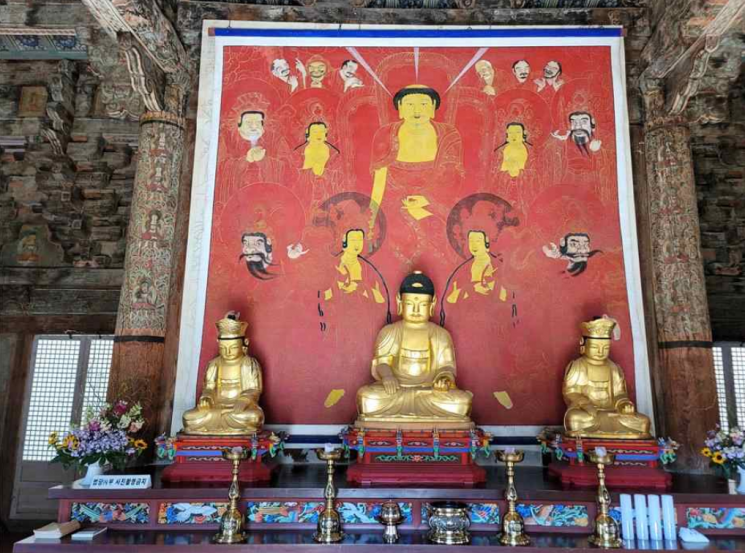
"Yangsan Sinheungsa Stone Seated Triad of Sakyamuni Buddha and Its Enshrined Relics" is a work completed in the 8th year of King Sukjong (1682) by the sculptor-monk Seungho and others, using "buseok" (sericite), a type of stone that was popular in Gyeongsang Province. Among Seungho's works, it is the earliest produced for enshrinement in the main Buddha hall. The enshrined relics, including the reliquary tube (Horyeongtong), have also been designated as Treasures together with the Buddhist statues.
© The Asia Business Daily(www.asiae.co.kr). All rights reserved.














