Korean Society for Preventive Medicine holds policy forum on introducing a sugar levy
"Sugar-sweetened beverages, a major cause of childhood and adolescent obesity"
"Sugar levy needed to protect the health of future generations"
As President Lee Jaemyung has raised the issue of introducing a "sugar levy," the medical community has argued that policy intervention is needed, given that sugar intake contributes to the increase in obesity.
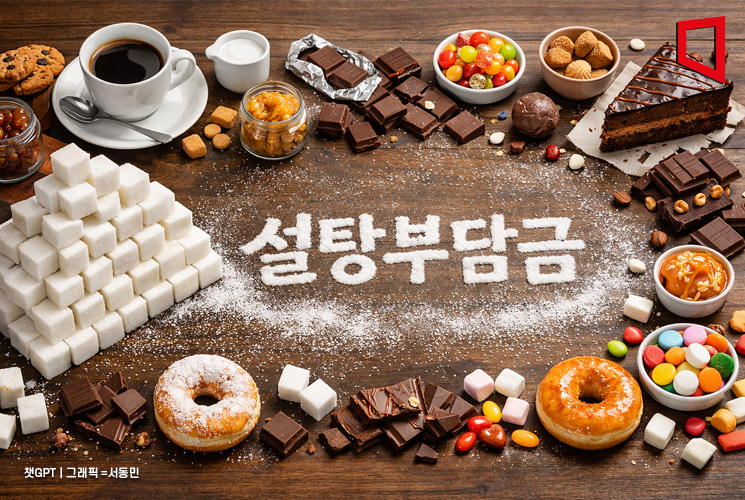
The Korean Society for Preventive Medicine held a policy forum on the introduction of a sugar levy on the 5th at the Centennial Memorial Samsung Hall of Korea University in Seongbuk-gu, Seoul. At the event, Kim Hyunchang, a professor of preventive medicine at Yonsei University College of Medicine, stressed the need to introduce a sugar levy, saying, "Sugar intake is a factor that increases obesity and chronic diseases."
Professor Kim explained, "The rate of increase in obesity and overweight is very fast, and obesity is rising particularly quickly among younger age groups," adding, "During the period of the spread of COVID-19, obesity among elementary school students surged, and the lower the socioeconomic status, the higher the obesity rate."
According to the Korean Society for the Study of Obesity, the prevalence of obesity among children and adolescents in Korea rose from 10.0% in 2014 to 13.8% in 2023. In 2021, when the COVID-19 pandemic was at its peak, it even soared to 19.3%. Professor Kim particularly emphasized, "There is already sufficient evidence that sugar-sweetened beverages are harmful to health," and said, "We must not fall into the error of postponing the implementation of public health policies until more definitive evidence emerges." According to a paper by a research team at the University of California in the United States cited by Professor Kim, sugar-sweetened beverages were analyzed to have contributed at least 20% to the weight gain of the U.S. population between 1977 and 2007.
The situation in Korea is not much different. When the Korean Society of Community Nutrition analyzed data from the Korea National Health and Nutrition Examination Survey (2019-2021), it found that the proportion of people whose sugar intake from processed foods exceeded 10% of total calories was highest among those aged 12 to 18 at 37.1%, followed by those aged 3 to 11 (35.2%) and 19 to 34 (34.0%). In particular, for children and adolescents (ages 3 to 18) and young adults (ages 19 to 34), the main source of sugar intake was carbonated beverages, accounting for 16.5% and 17.2%, respectively.
Professor Kim said, "The causes of the increase in obesity are complex, but sugar-sweetened beverages are one of the major contributing factors," and emphasized, "A sugar levy is not the only or the best countermeasure, but it is a public health policy tool that can actually be implemented." He added, "We need to intervene now at the policy level to protect the health of future generations and prevent obesity."
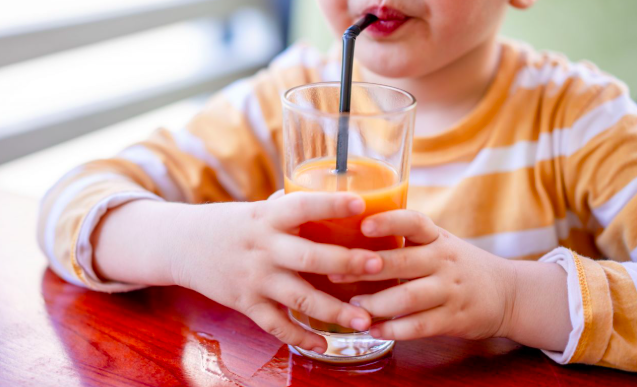
Professor Park Eunchul of the Institute of Health Services Research at Yonsei University, who presented on the same day, also pointed out the problems of sugar-sweetened beverages. Professor Park noted, "Sugar-sweetened beverages have little or no nutritional value," and pointed out, "Even when people drink sugar-sweetened beverages, they do not reduce their intake of other foods, which leads to weight gain and obesity."
According to the Organisation for Economic Co-operation and Development (OECD), daily sugar intake in Korea is 2.8 times the World Health Organization (WHO) recommended level of 50 grams. In addition, between 1998 and 2022, the rate of overweight and obesity increased by 0.39 percentage points every year, reaching 36.5% in 2022.
Professor Park emphasized, "Introducing a sugar levy on sugar-sweetened beverages can lead to a reduction in beverage purchases and sugar intake," adding, "In addition to short-term effects such as a decrease in the incidence of dental caries, it also helps prevent deaths." In fact, in a 2022 study, the WHO analyzed that if the price of sugar-sweetened beverages were increased by 50% through a sugar levy, approximately 2.2 million premature deaths could be prevented worldwide over the next 50 years.
Meanwhile, since President Lee Jaemyung proposed on January 28, "Let us curb the use of sugar and reinvest the funds raised into strengthening local and public healthcare," discussions on a sugar levy have been gaining momentum. In the National Assembly, related bills have been introduced and public debate has begun, but concerns are also being raised that it could lead to higher food prices.
© The Asia Business Daily(www.asiae.co.kr). All rights reserved.













