Slim Design Emerges as a Tangible Differentiator Amid Performance Standardization
Motorola Targets Korea Again with 5mm-Class "Edge 70"
Xiaomi Prototype Leak Signals Return of the Slim Phone
The competition over smartphone thickness, which had disappeared from the market for a while, is making a comeback, especially in the mid-range segment. The ultra-slim strategy, once a hallmark of premium devices, has recently lost momentum. Instead, "slim yet practical" phones are regaining popularity among foreign mid-range models.
According to the IT industry on January 24, global premium brands such as Samsung Electronics and Apple are no longer emphasizing the "ultra-slim" message in their latest products. Instead, they are focusing on enhancing tangible features such as camera performance, on-device artificial intelligence (AI), chipset performance, and heat management. Until last year, both brands competed in the ultra-slim segment by releasing models like the "S25 Edge" and "iPhone Air," boasting thicknesses of 5.6 to 5.8mm. However, in subsequent models, thickness has been dropped as a key marketing point.
This shift is interpreted as a result of previous experiences where ultra-slim designs led to reduced battery capacity and camera module limitations, which in turn lowered user satisfaction. As thinner devices raised concerns over battery life and camera performance, the preference for "the thinnest phone possible" has waned in the premium market.
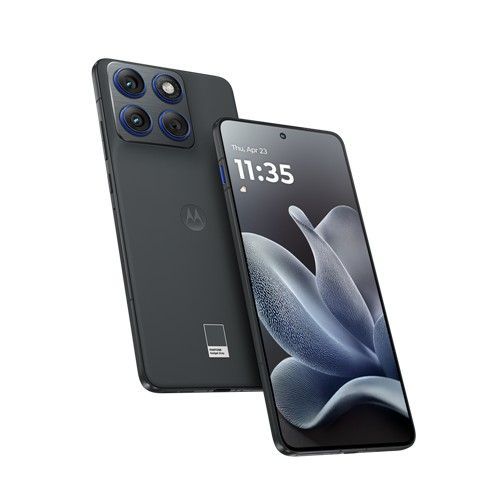 Motorola Korea launched the ultra-slim smartphone "Motorola Edge 70" domestically on the 22nd. It features enhanced portability with a thickness of 5.99mm and a weight of 159g. Photo by Motorola Korea, Yonhap News Agency
In contrast, the mid-range market is seeing the opposite trend. The "Edge 70" series, launched domestically by Motorola the previous day, features a thickness of around 6mm and a lightweight 159g body, while still offering a relatively large battery and a high-resolution camera. With an official retail price of 550,000 won, the design, which strikes a balance between portability and performance rather than pursuing extreme thinness, is being well received by mid-range consumers.
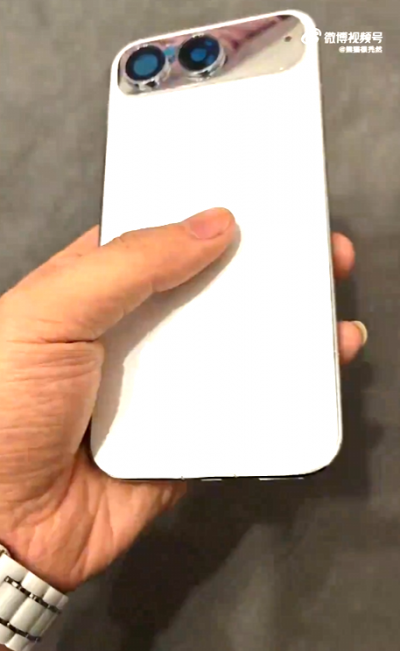 Video of the so-called 'Xiaomi 17 Air' prototype rear design leaked this month. Photo by SNS capture
Xiaomi is also reportedly considering the release of an ultra-slim model in the 5.5mm range, once again highlighting thinness in its mid-range lineup. Although an official launch has not been confirmed, recent reports from overseas media such as GSMArena and leaked information have revealed the so-called "Xiaomi 17 Air" prototype, drawing renewed industry attention to slim phones. Given that the ultra-slim strategy had previously lost steam, the reemergence of such information from a powerful brand like Xiaomi is seen as a way to gauge market reaction.
The resurgence of slim phones is viewed not merely as a return to past design trends but as a signal that the competitive landscape in the mid-range market is changing. Improvements in battery energy density and component integration now allow for a certain level of performance even with thinner devices. At the same time, as chipset and camera specifications have become standardized in the mid-range segment, it has become more difficult to differentiate products based solely on technical specs.
An industry insider commented, "Thickness is one of the few design elements in mid-range smartphones that consumers can immediately notice," adding, "A strategy that combines value for money with portability may once again resonate with the market."
© The Asia Business Daily(www.asiae.co.kr). All rights reserved.













