Gyeongju Museum Analysis: Frequency Error Within ±0.1%
No Structural Defects, But Exposed to Fine Dust and Acid Rain
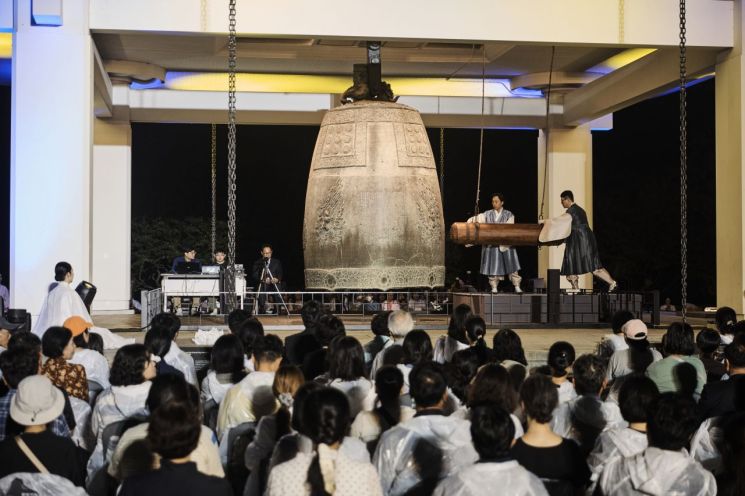
The Sacred Bell of King Seongdeok, also known as the "Emille Bell," has been confirmed to remain in excellent condition even after 1,200 years. Scientific analysis has shown that the bell’s unique resonance and vibration have not changed compared to 30 years ago.
The Gyeongju National Museum announced on January 12 that, according to the results of the regular striking and sound survey conducted at the end of September last year, the acoustic and vibration characteristics of the Sacred Bell of King Seongdeok have been maintained at the same level as during the first detailed investigation in 1996.
The museum focused its analysis on the "natural frequency" produced when the bell is struck and the "beat" phenomenon, which refers to the wave of sound intensity that seems to break and continue. As a result, the natural frequency showed a margin of error of less than 0.1% compared to previous data. This variation is attributed to natural changes in temperature and essentially means the bell produces the same sound as it did 30 years ago. High-resolution imaging of the bell’s surface also revealed no unusual damage, such as micro-cracks.
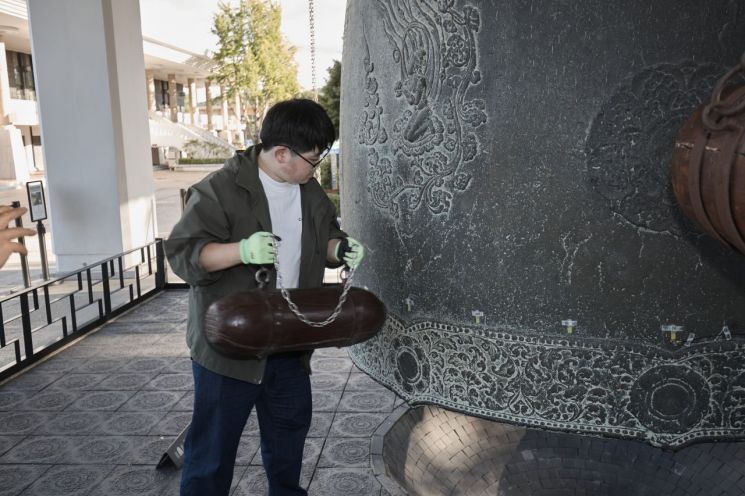
However, some caution that it is too soon to be "relieved." The Sacred Bell of King Seongdeok is currently displayed outdoors at the museum, leaving it unprotected against climate threats such as acid rain, fine dust, and sudden temperature changes. Structurally, the bell remains sound, but environmentally, it is in a vulnerable position.
Yoon Sangdeok, Director of the Gyeongju National Museum, stated, "Through regular monitoring, we have confirmed the internal structural stability, but the limitations of outdoor display are clear." He added, "Based on this scientific data, it is time to seriously consider building a dedicated exhibition hall to safely protect the bell."
© The Asia Business Daily(www.asiae.co.kr). All rights reserved.













