Paju City Announces Enhanced Educational Support for 2026
Expanding Future-Oriented Education with AI, Autonomous Driving, and Creative Experiences Across All School Levels
On December 26, Paju City in Gyeonggi Province announced that it has finalized the "2026 Paju City Educational Support Plan," aiming to create an "educational city" where students and citizens grow together. The city will promote educational support projects focused on future-oriented education for elementary, middle, and high school students, as well as adult learners.
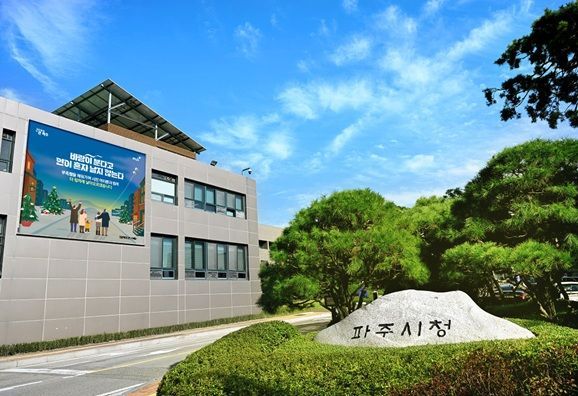
This plan is structured around the vision of "an educational city where everyone has the opportunity to learn," with a focus on strengthening the foundation for future education, bridging educational gaps, and expanding lifelong learning. In particular, in response to the Ministry of Land, Infrastructure and Transport’s new designation of an autonomous vehicle pilot operation zone, Paju City will introduce step-by-step education on autonomous driving technology and artificial intelligence (AI) technology to foster talent in cutting-edge fields.
Paju City will continue to provide various educational subsidies to guarantee equal learning rights and strengthen basic competencies for elementary school students. Each new elementary school student will receive a 100,000 won Paju Pay entrance congratulatory gift, and the city will continue to support school meal expenses in cooperation with the city, province, and the Office of Education to ensure a stable meal environment.
In addition, the city will expand hands-on learning opportunities by operating experiential programs in collaboration with the Paju Campus, focusing on English, artificial intelligence (AI), and unmanned aerial vehicles (drones). At the elementary school level, the city aims to reduce the burden of private education costs and strengthen experience-based education so that students can develop basic learning skills through a variety of experiences.
Paju City will focus on expanding career exploration opportunities and strengthening future competencies for middle school students.
The city will expand support for creative experiential activities in middle schools and roll out intelligent AI and robotics education-selected as a national pilot project-across all middle schools to enhance digital learning capabilities. In addition, the city will strengthen field-based career exploration programs through the operation of experiential buses, providing more opportunities for students to experience real industries and occupations.
At the high school level, support will be expanded with the goal of strengthening students’ abilities to plan their academic and career paths.
To successfully implement the high school credit system, AI and digital-based instructors will be dispatched to schools, and university-based career and academic programs will be expanded in collaboration with institutions such as Seoul National University and Dongguk University. The city will also expand the university entrance fair, which involves participation from over 50 universities, and continue policies to ease the financial burden on parents, such as jointly supporting school uniform expenses for new middle and high school students (up to 400,000 won per student) with the city, province, and the Office of Education. In addition, the city will maintain support for free high school education expenses to provide a stable learning environment.
Paju City will also strengthen the foundation for adult lifelong education to broaden learning opportunities for citizens.
The number of universities participating in the "Once-in-a-Lifetime Project" will be increased from five to eight, and the city will promote specialized educational programs in local industries such as bio and healthcare, in connection with the RISE project. The city will also revitalize adult literacy and civic education, expand support for empowering the baby boomer generation, and enhance learning opportunities during life transitions.
Paju City will comprehensively reflect the newly designated autonomous vehicle pilot operation zone in its education policies and will establish a "future mobility education system" for elementary, middle, and high school students.
The city will operate programs for experiencing autonomous driving technology, provide education on safe driving and understanding transportation systems, and enhance understanding of the future transportation industry through career programs linked to advanced transportation sectors. In addition, the city will continue to expand the educational infrastructure necessary to systematically nurture local talent in future and advanced transportation fields.
A Paju City official stated, "The year 2026 will be a significant turning point for Paju City’s education, as it integrates future mobility and autonomous driving technology," adding, "We will establish a comprehensive educational support system that encompasses elementary, middle, and high school students, as well as adults."
© The Asia Business Daily(www.asiae.co.kr). All rights reserved.












