Dining-Out Prices in Seoul Rise Across Popular Everyday Menus
Driven by Higher Minimum Wage, Rent, and Imported Ingredient Costs
Prices of dining-out menus frequently chosen by ordinary people in the Seoul area have noticeably increased over the past year. Relatively inexpensive menu items such as gimbap, kalguksu, and kimchi jjigae set meals have recorded particularly high rates of increase, intensifying the perceived burden of living costs.
 Prices of dining-out menus frequently chosen by ordinary people in the Seoul area have noticeably increased over the past year. Relatively inexpensive menus such as gimbap, kalguksu, and kimchi jjigae set meals have shown particularly high rates of increase, intensifying the felt burden of living costs. Getty Images
According to data compiled by the Korea Consumer Agency's price information portal 'Chamka Price' on December 25, the average prices of eight consumer-preferred dining-out menu items in Seoul last month showed an increase of 3 to 5 percent compared to the previous year. In particular, the price rise was notable for menu items recognized as simple meals or snack foods.
The price of gimbap rose by 5.7 percent from 3,500 won last year to 3,700 won this year, while kalguksu increased by 4.9 percent from 9,385 won to 9,846 won, approaching the 10,000 won mark. Kimchi jjigae set meals, which are popular lunch options, rose by 4.7 percent from 8,192 won to 8,577 won, ranking among the highest increases. Samgyetang also increased by 4.2 percent from 17,269 won to around 18,000 won, and some specialty restaurants have already surpassed 20,000 won.
Most other major menu items also saw price increases. Naengmyeon rose by 4.2 percent, samgyeopsal (based on 200g) by 3.9 percent, bibimbap by 3.4 percent, and jajangmyeon by 3.1 percent, indicating an overall rise in dining-out prices. Experts analyze that this trend is due to a combination of factors, including rising labor costs, increases in rent, electricity, and gas fees, as well as higher prices of imported food ingredients resulting from the rise in the won/dollar exchange rate.
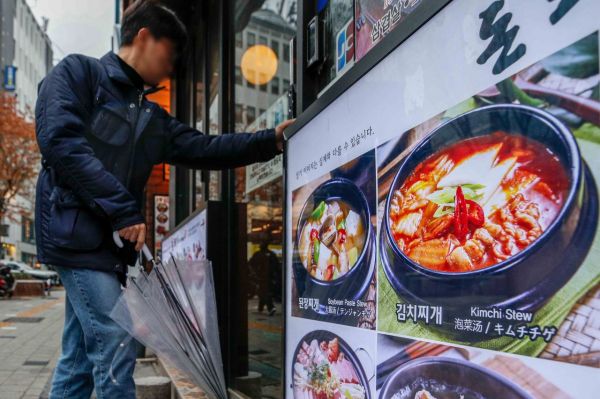 Compared to November last year, the average prices of eight consumer-preferred dining-out menu items in the Seoul area showed an increase of 3 to 5%. In particular, the price rise was notable for menu items recognized as simple meals or snack foods. Photo by Kang Jin-hyung aymsdream@
Relatively lower-priced menu items like gimbap, kalguksu, and kimchi jjigae tend to be more affected by increases in fixed costs such as labor. In reality, the burden on restaurant businesses has grown as minimum wage increases have coincided with rising raw material prices.
In addition to dining-out costs, personal service fees in Seoul also continued to rise. Last month, the cost of dry cleaning a men's suit set was 10,615 won, up 12.2 percent from 9,462 won during the same period last year. The price of a men's haircut rose by 4.3 percent, and a women's haircut increased by 3.7 percent. Accommodation (inn) and public bath fees also rose by 3.8 percent and 2.2 percent, respectively, further increasing the overall cost of living.
© The Asia Business Daily(www.asiae.co.kr). All rights reserved.












