ABL Bio has unveiled a strategy to expand its bispecific antibody platform technology, which has been focused on brain diseases, to systemic diseases such as obesity. Following a series of mega licensing deals with global pharmaceutical companies, the company is determined to secure a new growth engine by extending its core platform, 'Grabody,' into the next-generation metabolic disease treatment sector.
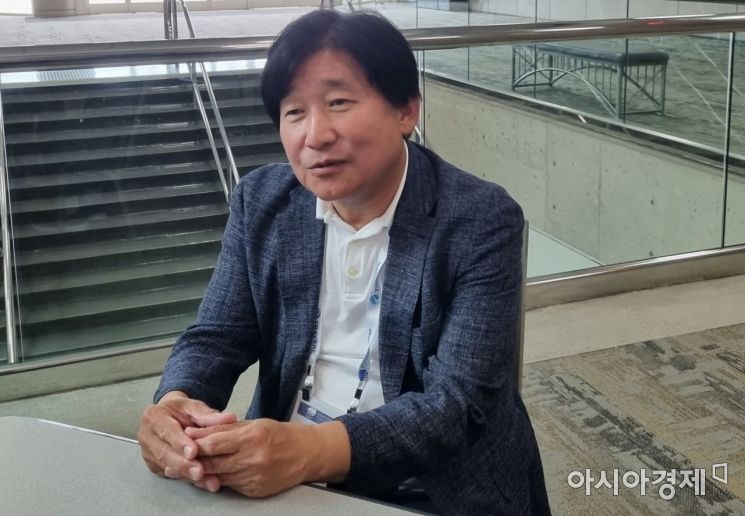
On November 17, at a corporate meeting held at the Four Seasons Hotel in Jongno-gu, Seoul, Sanghoon Lee, CEO of ABL Bio, stated, "Until now, the Grabody platform has mainly received attention as a BBB (blood-brain barrier) shuttle technology for central nervous system (CNS) therapeutics, but with the recent deal with Eli Lilly, it will be expanded to systemic indications such as muscle and obesity." He emphasized, "Expanding indications is the company's mission," adding, "Our goal is to develop it into a universal platform that can be applied to a wide range of diseases beyond CNS disorders."
Grabody is a bispecific antibody-based technology that selectively delivers drugs to targeted tissues. In particular, 'Grabody-B,' developed to overcome the limitations of conventional antibody and protein therapeutics in crossing the BBB, features the use of IGF1R (insulin-like growth factor 1 receptor) to deliver drugs directly to the brain.
Last week, ABL Bio signed a Grabody technology licensing agreement with Eli Lilly worth up to 2.562 billion dollars (approximately 3.7 trillion won). Separately, Lilly also made an equity investment of about 22 billion won. In April this year, ABL Bio also signed a Grabody-B technology licensing deal with GSK worth up to 4 trillion won, further solidifying its collaboration with global big pharma companies.
In addition to its platform business, the company is accelerating the development of its own pipeline. The bispecific antibody and antibody-drug conjugates (ADCs) ABL206 and ABL209 are scheduled for Investigational New Drug (IND) applications to the US FDA in the first quarter of next year. According to the company, these two candidates are bispecific antibodies recognizing different antigens, conjugated with a payload (drug), and offer higher targeting accuracy against cancer cells compared to single-antibody ADCs.
The new drug for cholangiocarcinoma, ABL001, is also making progress. The global rights are held by Compass Therapeutics in the United States, while ABL Bio is pursuing FDA accelerated approval for the drug. ABL001 is a bispecific antibody new drug being developed as a second-line therapy, and the possibility of combination with immuno-oncology agents is also under consideration.
CEO Lee stated, "With strategic investments from global partners such as Lilly, we will continue to enhance corporate value through the expansion of our platform technology, advancement of our own pipeline, and additional large-scale technology licensing deals."
© The Asia Business Daily(www.asiae.co.kr). All rights reserved.












