Daegu City Administrative Audit
The Planning and Administration Committee of the Daegu City Council (Chairperson Yoon Youngae) began this year's administrative audit on November 7 by conducting audits of the Daegu-Gyeongbuk Administrative Integration Promotion Team and the Daegu Civil Servant Training Institute in succession.
During the administrative audit of the Daegu-Gyeongbuk Administrative Integration Promotion Team, which was conducted first, the committee criticized the organization for losing sight of its fundamental goal of administrative integration and for improper budget execution. The committee also urged strict work execution following future organizational restructuring.
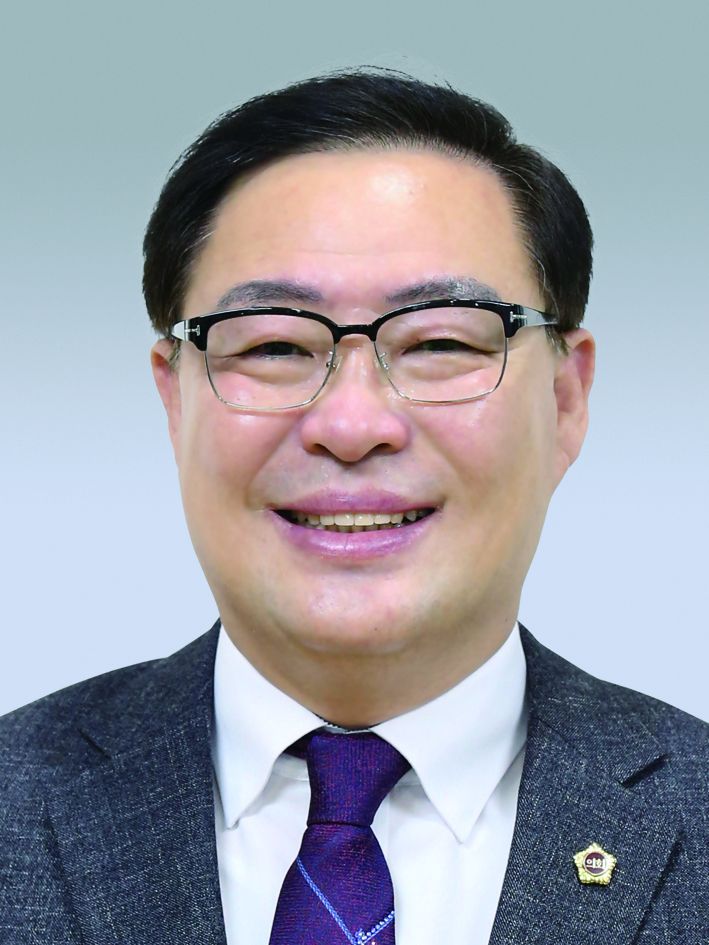
Chairperson Yoon Youngae (People Power Party, Nam-gu 2) pointed out that the current promotion team has repeated the failures of the previous seventh popularly elected administration, noting that excessive policy volatility is negatively impacting citizens, and called for caution.
Committee member Ryu Jongwoo (People Power Party, Buk-gu 1) criticized the inappropriate execution of budgets for projects such as seminars that were intended to promote administrative integration. He also cautioned that, given the lack of cooperation with Gyeongbuk, reckless budget planning and improper execution should not recur during future organizational restructuring.
Committee member Kim Wonkyu (People Power Party, Dalseong-gun 2) reviewed the progress of the government’s “Five Major Regions and Three Special Zones” initiative and administrative integration, pointed out the differences between the two, and called for continued efforts and achievement of results through monitoring trends in other cities and cooperation with Gyeongbuk.
Committee member Kim Daehyun (People Power Party, Seo-gu 1) remarked that one of the reasons for failure was the forced promotion of administrative integration by emphasizing unrealistic effectiveness, despite bleak prospects from the outset. He urged that future cooperation and communication with Gyeongbuk should be balanced between the two parties.
Committee member Yuk Jeongmi (Democratic Party, Proportional Representation) reviewed whether the APEC-related work assigned to the promotion team was appropriate, criticized problems in the related budget execution, and strongly demanded corrective action for ignoring the principles of budget establishment and execution.
Committee member Lee Seongo (People Power Party, Suseong-gu 3) pointed out that after the collapse of administrative integration in Daegu, other cities and provinces have begun to move forward by referencing Daegu’s experience. He identified the failure to hold a resident referendum, which was initially discussed but not conducted due to Daegu City’s unilateral decision, as one of the main reasons for the integration’s failure.
In the subsequent administrative audit of the Daegu Civil Servant Training Institute, the committee reviewed the overall status of educational operations, focusing on methods for evaluating trainee surveys and the shortening of training periods for new (candidate) appointees.
Chairperson Yoon Youngae called for continuous assessment of educational demand throughout the year to ensure a balanced mix of in-person and online training, emphasizing the need to leverage the strengths of face-to-face education while enhancing educational effectiveness through the accessibility of remote learning.
Committee member Ryu Jongwoo called for the expansion of customized civil servant training programs suited to the AI era, such as big data utilization and digital literacy education. Committee member Kim Wonkyu reviewed the overall operation of the mid-level practical leadership program and its target groups, thoroughly examined the rationale and issues behind the selection of outsourced operating agencies, and demanded the development of operational improvement measures.
Committee member Kim Daehyun suggested actively utilizing the results of instructor satisfaction surveys to recruit outstanding external instructors, as well as discovering and nurturing excellent internal personnel to serve as instructors for civil servant training. Committee member Yuk Jeongmi reviewed the validity of changes in the duration and content of new (candidate) appointee training compared to last year, and called for curriculum diversification and operational flexibility to meet on-site demand.
Committee member Lee Seongo pointed out the limitations of the current lecture satisfaction evaluation and proposed the introduction of a new post-training evaluation system to measure how the training actually helps with real work after completion.
© The Asia Business Daily(www.asiae.co.kr). All rights reserved.












