More Than 210,000 Self-Employed Hold Loans
Financial Delinquents Surge: 3.7 Times in Gwangju, 4.1 Times in South Jeolla
Vicious Cycle of Growing Debt... Urgent Need for Countermeasures
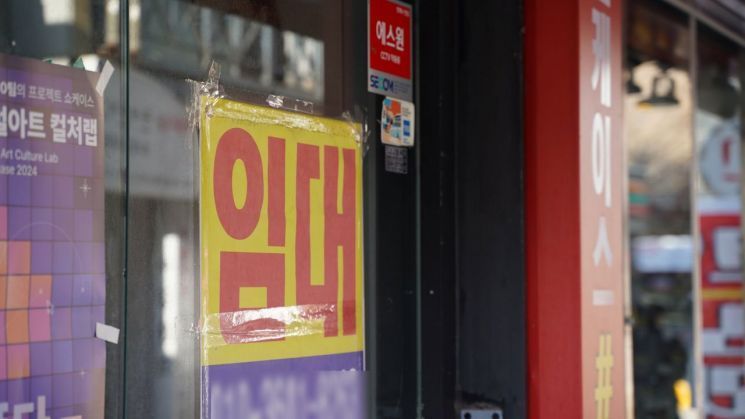
Amid a prolonged economic downturn, the number of self-employed individuals in Gwangju and South Jeolla Province has decreased, yet both the scale of loans and the amount of overdue debt have surged. The number of financial delinquents in Gwangju has increased by 3.7 times and in South Jeolla by 4.1 times over the past five years, highlighting the crisis facing local self-employed business owners.
According to data submitted by the Credit Information Service to Assemblyman Park Sunghoon of the National Assembly’s Planning and Finance Committee on October 9, as of the end of July this year, there were 85,130 self-employed individuals with outstanding loans in Gwangju and 132,535 in South Jeolla. This accounts for more than half of all self-employed individuals in the region, as reported by Statistics Korea in August (139,000 in Gwangju and 288,000 in South Jeolla).
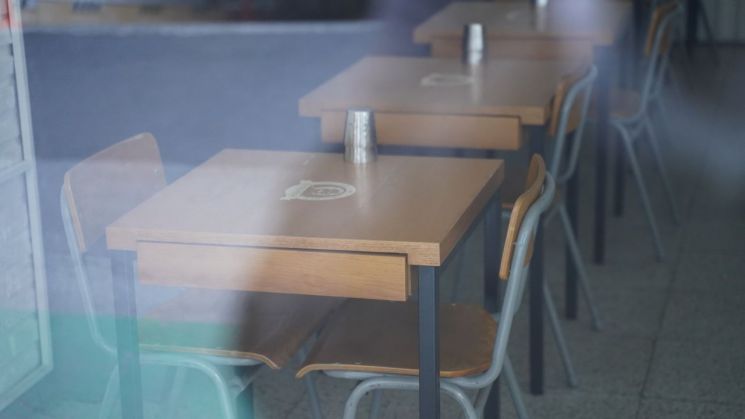
Among them, the number of financial delinquents-those who have failed to make principal and interest payments for more than three months-reached 4,929 in Gwangju and 6,422 in South Jeolla. In Gwangju, the number of financially delinquent sole proprietors rose from 1,313 in 2020 to 4,929 in July 2025, a 3.75-fold increase. In South Jeolla, the figure grew from 1,563 to 6,422 over the same period, a 4.1-fold increase.
The total amount of loans has also expanded. In Gwangju, it increased from 18.7619 trillion won in 2020 to 24.7898 trillion won as of July 2025. In South Jeolla, it rose from 19.6894 trillion won to 30.7626 trillion won during the same period, marking a 1.5-fold increase in both regions. Notably, the loan amount held by financial delinquents jumped more than 4.5 times, from 197.8 billion won to 896.9 billion won in Gwangju, and from 220.5 billion won to 1.0513 trillion won in South Jeolla.
Nationwide, more than one in ten self-employed individuals is classified as a vulnerable borrower, unable to escape delinquency due to low income and low credit. Among these, half hold loans from non-bank financial institutions, indicating a severe deterioration in debt quality.
Kim Yongjae, director of the Local Circulation Economy Research Institute, pointed out, "When businesses close, the pressure to repay debt increases, so many cannot even afford to shut down and end up accumulating more debt in a vicious cycle. Since Gwangju has few large corporations and a high proportion of self-employed individuals, a comprehensive response based on an actual survey-including loan interest rate adjustments and repayment deferments-is urgently needed."
© The Asia Business Daily(www.asiae.co.kr). All rights reserved.













