Japan Sees Decline Compared to Previous Month and Early Year, While China Rises
Average Travel Cost to China at 1.05 Million Won... Emerging as a "Value-for-Money" Destination
Visa-Free Entry and Expanded Flight Routes Also Drive Demand
With the appreciation of the yen and rising prices in Japan, the "cost-effectiveness" of traveling to Japan is no longer what it used to be. Against this backdrop, China is rapidly reshaping the travel landscape for Koreans by offering visa-free entry and lower costs. While Japan still firmly holds the top spot, its market share is on a downward trend, whereas China is showing a clear upward trajectory, buoyed by visa-free entry and expanded flight routes. In particular, with this year’s Chuseok holiday allowing up to 10 days off with just one day of annual leave, China is emerging as a leading "value-for-money" destination, with demand surging rapidly.
Japan Still No. 1, but China Shows Clear Growth
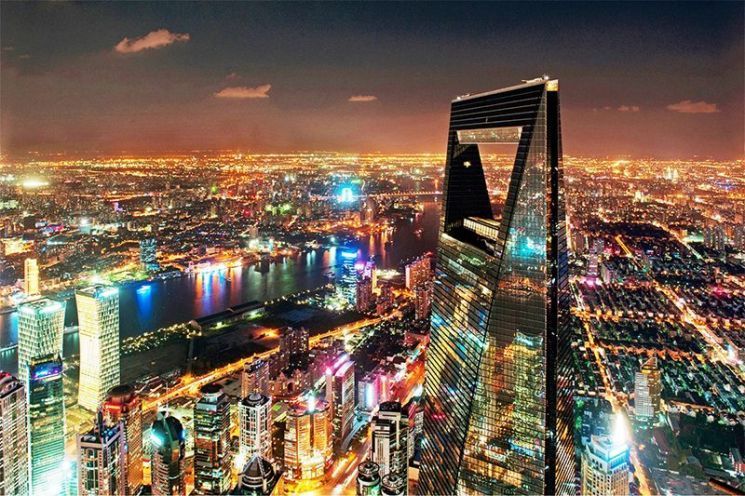 Shanghai World Financial Center Observation Deck located in Pudong New Area, Shanghai. Shanghai Municipal Administration of Culture and Tourism
According to the "August Weekly Travel Behavior and Plans Survey" by Consumer Insight, a consumer research agency, the most popular destination Koreans visited was Japan (29%). This was followed by Vietnam (14%), China (9%), Thailand (7%), Taiwan (5%), and the Philippines (4%). Although demand for Japan remains high, the growth trend shows that Japan’s share fell by 5 percentage points from the previous month, while China’s rose by 3 percentage points. Compared to the beginning of the year, China’s share increased by 2 percentage points, while Japan’s decreased by 6 percentage points, showing diverging trends.
China is also showing a clear recovery in travel interest surveys. The proportion of respondents who said their desire to visit China had "increased" compared to before reached 12% as of August this year, up 3 percentage points from the same period last year. While this is still about half the level seen in 2016 (22%) before the "Korean Wave Ban" (Hallyu Ban) imposed by China in response to the deployment of the THAAD missile defense system in Korea, it is double the figure from 2020 (6%) during the COVID-19 pandemic. If this trend continues, interest in traveling to China is expected to soon return to the pre-pandemic level of 2019 (14%).
Visa-Free Entry and Low Costs Appeal to Travelers
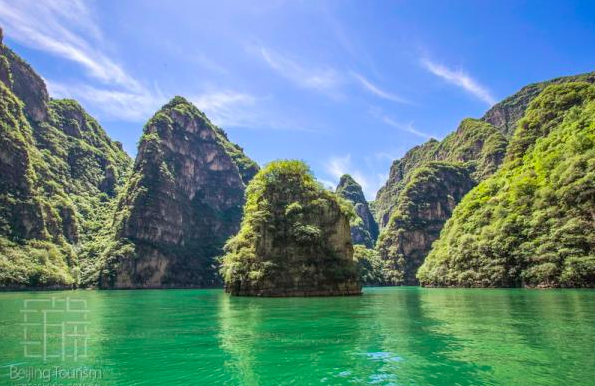 Longqingsha Fengguandao, located northwest of Gaoseng Village in Yanqing District. Beijing Tourism Network
Consumer Insight analyzed, "The recovery in interest in traveling to China was directly triggered by China’s temporary visa-free entry policy for Koreans implemented last November." The agency added, "Improved accessibility due to expanded flight routes and the launch of new China package tours by travel agencies also played a role." Furthermore, they noted, "The relatively stable yuan exchange rate has highlighted China’s appeal as a value-for-money destination."
In fact, traveling to China offers significant advantages in terms of cost. The average travel expenditure for overseas travelers this year was 1,054,000 won for China, more than 200,000 won lower than the Southeast Asia average (1,274,000 won). This amount is not only less than Japan (1,068,000 won) but also lower than Vietnam (1,117,000 won), which is often cited as the best value-for-money destination.
China also shows strong potential in terms of travel style. The proportion of individual travelers (FIT) and package travelers to China is evenly split at 50:50, indicating a high dependence on package tours. This contrasts with Japan, where about 80% of travelers are individual travelers. A Consumer Insight representative commented, "If the industry strengthens stay-type and themed packages that combine diverse cultural heritage, vast natural landscapes, and exotic food culture, there is significant potential for rapid market growth." They added, "For the industry, it is crucial to quickly establish a flexible product portfolio that is sensitive to variables such as flight routes, visas, and exchange rates, as well as differentiated itineraries by region."
© The Asia Business Daily(www.asiae.co.kr). All rights reserved.













