The Financial Times (FT) reported on September 22 (local time) that the Donald Trump administration in the United States is pressuring the World Bank to expand funding for fossil fuel projects, including new gas drilling.
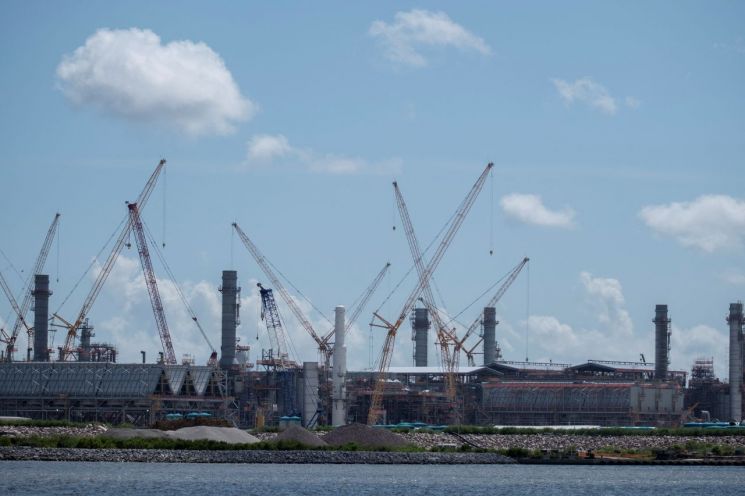
President Trump is reversing the renewable energy policies of the previous Biden administration and is pursuing a fossil fuel-centered energy policy symbolized by the slogan "Drill, baby, drill." Citing five officials, the FT reported that the Trump administration is targeting funding for the energy sector in developing countries. A senior official from a country on the World Bank board said, "The U.S. side is talking about gas everywhere."
In recent years, some development banks have imposed restrictions on lending related to fossil fuels under pressure to address the climate crisis. The World Bank also stopped funding new oil and gas exploration and development projects in 2019, with only a few exceptions. In addition, in 2023, the World Bank set a goal to allocate 45% of its annual funding to climate-related areas by this year.
However, at a World Bank board meeting held in June this year, multiple sources reported that U.S. officials strongly supported funding for new gas field development projects. Furthermore, a spokesperson for the U.S. Treasury Department stated that the United States is exercising its voice and voting rights to respond to the energy priorities and demands of various countries. The spokesperson added that a comprehensive energy strategy, including funding for gas development, "would be a positive step in linking the World Bank and all multilateral development banks to their core missions of economic growth and poverty reduction."
An official from a development bank said that the Trump administration is promoting the logic that "all energy is good energy," arguing that not only renewable energy but also other energy sources should be recognized. The FT also reported, citing sources, that the United States is both publicly and privately pressuring other development banks to reduce their green efforts and increase lending for fossil fuel-related projects such as gas pipelines. The United States, as a major shareholder in several development banks, wields significant influence.
The president of the World Bank, which was established after World War II to provide reconstruction funding to countries, is also effectively appointed by the United States, which holds the largest share. David Malpass, the former World Bank president appointed during the first Trump administration in 2019, was criticized as a climate change denier after evading questions on whether he agreed that fossil fuel use causes climate change. Malpass, who was pressured to resign by the previous Biden administration, stepped down before completing his term.
© The Asia Business Daily(www.asiae.co.kr). All rights reserved.