Government Covers Premiums for the First 1-3 Months
Higher Benefits Are an Advantage, But Fiscal Stabilization Measures Are Needed
The government's plan to introduce the "Automatic National Pension Enrollment for 12th Graders" by 2027 is sparking ongoing debate over its pros and cons.
The automatic enrollment system would require all young people who turn 18 to be automatically enrolled in the National Pension Service. The aim is to extend the enrollment period for the younger generation, thereby increasing their future pension benefits.

According to the proposed system, the government would pay the pension premiums on behalf of the individual for the first one to three months. After that, the young person would choose whether to continue making payments. Those without income would be classified as "exempt from payment," meaning they would not have to pay premiums immediately. However, they could make retroactive payments for up to 10 years later, allowing them to secure their enrollment period. Since the National Pension Service is structured so that longer enrollment results in higher benefits, early enrollment is advantageous.
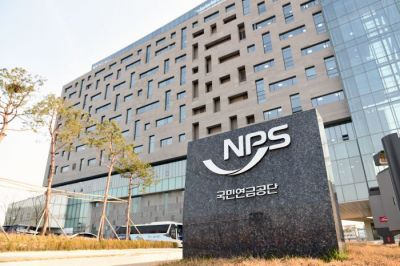
Currently, the voluntary enrollment premium is set based on the median income of all regional subscribers, with a minimum monthly payment of about 90,000 won. If paid for 10 years, this would provide a lifelong monthly pension of around 200,000 won, and if paid for 20 years, the monthly benefit would increase to about 410,000 won. Research shows that making smaller payments earlier and for a longer period results in much higher benefits than starting to pay the same premium later in life.
The government explained, "This will help address the issue of young people discontinuing their pension enrollment and reduce blind spots in the pension system."
However, there are significant concerns about fiscal soundness. If the retroactive payment system is widely used, it may benefit individuals but could place a burden on the National Pension Fund. Experts point out, "While the intention to increase future benefits through early enrollment is reasonable, it could negatively impact the fund's finances in the long term," and stress that "measures to stabilize the fund's finances should be implemented alongside this policy."
Some citizens have expressed anxiety, stating, "If the government pays the premiums first and allows retroactive payments, won't this ultimately shift the burden to future generations?" How the government persuades the public of the policy's purpose and ensures the stability of the fund will likely determine the direction of future discussions on its introduction.
© The Asia Business Daily(www.asiae.co.kr). All rights reserved.













