Nineteen Deaths in India This Year Alone
No Effective Treatment, 95% Fatality Rate
"Prevention Is the Only Line of Defense"
In the southern Indian state of Kerala, anxiety is mounting as a deadly infection known as "amoebic meningitis" continues to spread. Nineteen people have died this year alone, but the exact cause of the outbreak has yet to be determined. The situation is particularly alarming because the fatality rate reaches 95 percent and there is no clear treatment, causing fear to spread worldwide.
Spread of "Amoebic Meningitis"... 9 Deaths This Month Alone

According to local media outlets Madhyamam and ETV Bharat on September 18 (local time), health authorities in Kerala announced that a 52-year-old woman from Thiruvananthapuram and a 91-year-old man from Kollam, both of whom died after about a week of treatment in the hospital, were confirmed to have amoebic meningitis. This brings the death toll in Kerala to nine this month alone and 19 so far this year.
Authorities also reported that a 17-year-old boy who was infected at the Akkulam swimming pool is showing signs of recovery after receiving intensive care. Three other teenagers who swam with him have not shown any symptoms so far but continue to be monitored. Currently, eight people including the boy are being treated at university hospitals after being diagnosed with amoebic meningitis, and authorities have collected water samples from the swimming pool in connection with the 17-year-old's infection and sent them to the Public Health Laboratory.
What Is the "Brain-Eating Amoeba"?
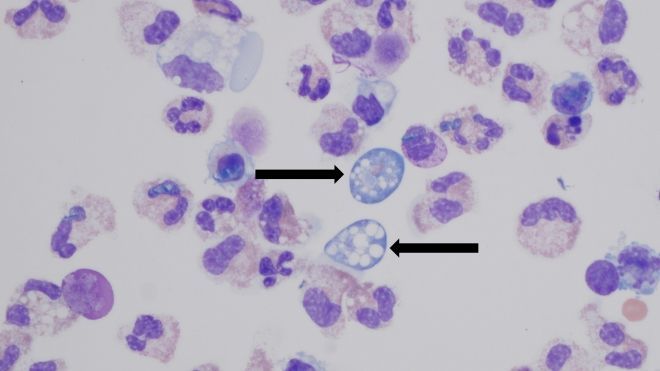 Naegleria fowleri (arrow) causing amoebic meningitis. Screenshot from the U.S. Centers for Disease Control and Prevention (CDC) website
Amoebic meningitis is mainly caused by infection with Naegleria fowleri, commonly known as the "brain-eating amoeba." This amoeba lives in warm freshwater and enters the human body when water enters the nose during activities such as swimming or diving. It then travels to the brain, destroying brain cells and causing severe headaches, high fever, and hallucinations.
There is almost no risk of infection from simply drinking or using contaminated water for washing. Infections mainly occur in shallow, warm lakes, rivers, ponds, wells, and some swimming pools. Since the amoeba feeds on microorganisms such as E. coli, the risk is higher in places with elevated E. coli levels. For this reason, regular disinfection is considered the most reliable preventive measure. Although person-to-person transmission does not occur, most patients die rapidly within 1 to 12 days after infection, making both prevention and treatment extremely challenging.
95% Fatality Rate... Global Fear Spreads
Naegleria fowleri infection is not limited to India. Cases have been consistently reported in the southern United States, Pakistan, and Australia, making it a source of fear in these regions as well. With no effective treatment currently available, the fatality rate stands at 95 percent.
Since 1962, a total of 488 cases have been reported worldwide. Most of the deaths have occurred in the United States, Pakistan, and Australia. In Kerala, one or two cases have been reported annually since 2016, and nearly all have resulted in death. Experts warn, "Because the fatality rate is so high, prevention is virtually the only defense."
© The Asia Business Daily(www.asiae.co.kr). All rights reserved.













